The Golden Witch

Golden Pumpkin Liqueur with Honey, Orange, Saffron and Warm Spices

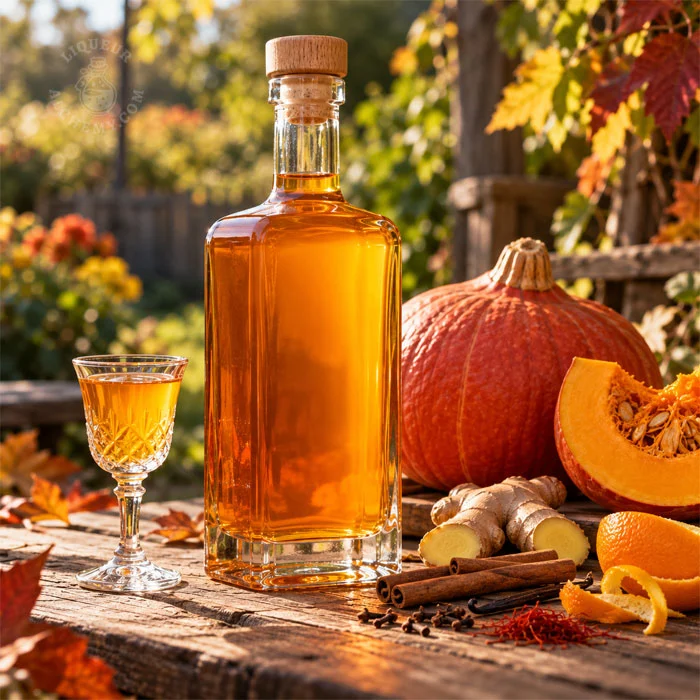
The Golden Witch is a golden-orange pumpkin liqueur combining mellow pumpkin with honey, orange zest and warming cinnamon, clove, ginger and vanilla. Saffron enhances its colour and adds subtle aromatic depth. The finished character is gently sweet, warming and autumnal, with balanced spice rather than an overpowering pumpkin-spice profile.

Main notes

  • Vodka
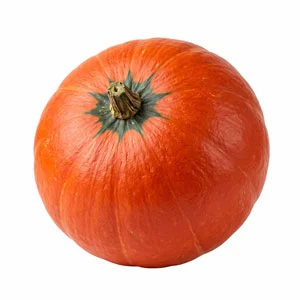
  • Hokkaido Pumpkin

Ingredients

  • Pumpkin — 1 kg
  • Vodka — 1 L
  • White Sugar — 200 g
  • Honey — 100 g
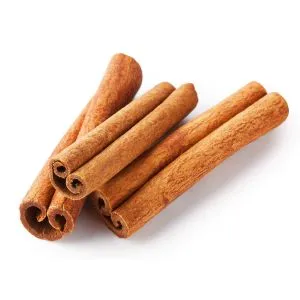
  • Cinnamon — 1 small stick
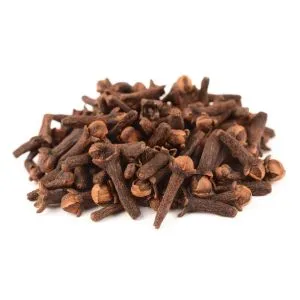
  • Cloves — 4
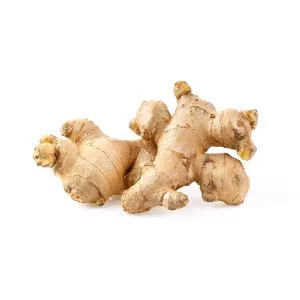
  • Ginger (Fresh) — 14 g
  • Orange Zest — ½ orange
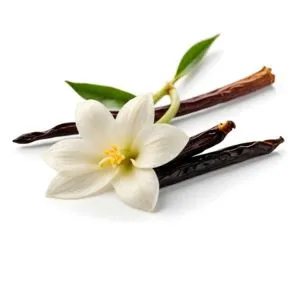
  • Vanilla — ½ pod
  • Saffron —10 threads

Preparation

  1. Peel and deseed the pumpkin if necessary, then weigh 1 kg of prepared flesh. Cut it into small, roughly 1–1.5 cm cubes to encourage efficient extraction.
  2. Place the pumpkin in a large sterilised glass infusion jar. Add the cinnamon stick, cloves and freshly sliced ginger.
  3. Remove thin strips of zest from half an orange, avoiding as much bitter white pith as possible. Split the vanilla pod lengthways and add both to the jar.
  4. Add the saffron threads, then pour in the vodka. Make sure the pumpkin and aromatics are thoroughly wetted, seal the jar and gently rotate it several times.
  5. Store in a cool, dark place for approximately 14–16 days. Gently rotate the jar every day during the first week. Begin tasting after about seven days and remove the cloves or cinnamon early if either becomes too dominant.
  6. Strain the infused vodka into a clean container and seal it. Return the alcohol-soaked pumpkin to the jar, add the white sugar and honey, and mix gently to distribute the sweeteners.
  7. Leave the pumpkin with the sugar and honey for 2–3 days, gently rotating the jar occasionally as the remaining alcohol and pumpkin juices dissolve the sweeteners and form a rich syrup.
  8. Strain the syrup thoroughly and combine it with the reserved pumpkin infusion. Filter through a fine filter until the liqueur reaches the desired clarity.
  9. Bottle and allow the finished liqueur to rest in a cool, dark place for the remainder of the three-week period. It can be enjoyed at this stage, although additional bottle ageing will further soften and integrate the pumpkin, honey and spices.
Download

The Story

The Golden Witch takes inspiration from traditional Polish pumpkin nalewka and gives it a playful, slightly mysterious autumn character. Deep orange pumpkin forms the heart of the infusion, while honey adds mellow richness and orange zest brings a bright aromatic edge. Cinnamon, clove, ginger and vanilla create gentle warmth without hiding the pumpkin itself. Ten threads of saffron provide the final piece of alchemy, intensifying the golden hue and adding a delicate aromatic complexity. The result is an inviting autumn liqueur with enough darkness and spice for Halloween, but enough elegance to linger well beyond it.

Who is "The Golden Witch" Liqueur for?

For curious drinkers drawn to unusual seasonal flavours and a little autumn mischief. The Golden Witch suits slow sippers, Halloween gatherings and experimental palates that appreciate mellow pumpkin, honeyed richness, citrus brightness and warming spice wrapped in an intriguing golden liqueur.

"The Golden Witch" Liqueur Serving Suggestions

Serve slightly chilled or at cool room temperature in a small liqueur or cordial glass. It is especially suited to autumn evenings and Halloween gatherings, when its golden pumpkin character, mellow honey, fragrant orange and warming spice can unfold slowly with each sip.

Why the Name "The Golden Witch"?

The Golden Witch takes its name from the transformation that happens inside the infusion jar: humble orange pumpkin becomes a glowing golden liqueur through vodka, honey, spice and a few precious threads of saffron. “Golden” reflects its rich autumn colour, while “Witch” brings a playful hint of Halloween magic, making the name feel mysterious without losing the recipe’s warm, handcrafted character.

Testing Notes

Cutting the pumpkin into small cubes helps develop flavour within the relatively short infusion. Cinnamon and especially cloves can become dominant before the pumpkin is ready, so taste periodically and remove them if necessary. Saffron should remain restrained at ten threads, enhancing the golden colour without becoming a noticeable flavour of its own.

The Golden Witch Liqueur FAQ


Combine the pumpkin-infused vodka with the sugar-and-honey syrup before deciding whether more sweetness is necessary. The recipe uses both white sugar and honey because sugar provides clean sweetness while honey adds body and a softer aromatic character. Pumpkin variety can noticeably change the perceived sweetness of the finished drink.

If the liqueur tastes too dry, add a small quantity of simple syrup or mild honey syrup, mix thoroughly and taste again after it has rested. Make adjustments gradually rather than adding a large amount at once. Too much honey can cover the orange, saffron and pumpkin, while excessive sugar can make the texture heavy.

If the liqueur is already too sweet, dilution with a measured amount of vodka is usually cleaner than trying to counter sweetness with additional spice. After any adjustment, allow the bottle to rest before making another change. Sweetness, alcohol warmth and spice can seem significantly different once the flavours have integrated.

View this Liqueur FAQ as a standalone page
Butternut squash is the best substitute for Hokkaido pumpkin because its flesh is dense, naturally sweet and relatively low in water. Use the same weight of prepared flesh. Other deeply coloured culinary pumpkins can also work, but avoid watery carving pumpkins, which may produce a thinner and less expressive infusion.

The replacement affects more than pumpkin flavour. Hokkaido contributes a rich orange colour and rounded, slightly nutty character that works particularly well with honey, orange zest, cinnamon and ginger. A paler squash may produce a lighter drink, while a sweeter variety can require a small reduction in the final sweetening.

Whichever variety is used, choose ripe, firm, unblemished flesh and cut it into small, even cubes. Keep the vodka and spice quantities unchanged initially, then judge sweetness after the pumpkin infusion and syrup are combined. This preserves the intended balance while allowing for natural differences between pumpkin varieties.

Small cubes of Hokkaido pumpkin can develop useful flavour in vodka within about 14 to 16 days, making a relatively short infusion practical. Keep the jar in a cool, dark place and gently rotate it during the first week so the alcohol contacts the pumpkin and aromatics evenly.

Cinnamon and cloves extract much faster than pumpkin. Begin tasting after roughly seven days and remove either spice if it starts dominating the softer pumpkin, honey and orange character. Cloves deserve particular attention because even a small quantity can become medicinal or sharply spicy when left too long.

The pumpkin can remain in the vodka after individual spices are removed. At the end of the main infusion, strain the alcohol and use the drained pumpkin for the separate sugar-and-honey extraction. Controlling each aromatic independently gives a cleaner result than assuming every ingredient needs exactly the same maceration time.

The most common cause is excessive extraction from cloves, cinnamon or orange pith rather than the pumpkin itself. Four cloves and a small cinnamon stick provide plenty of flavour in one litre of vodka. Leaving them in until the end without tasting can overwhelm the softer pumpkin character, particularly during a warm or vigorous infusion.

Orange zest should contain as little white pith as possible because the pith can introduce unwanted bitterness. Ginger also becomes progressively sharper during maceration. Saffron should remain restrained: a few threads support the golden colour and aromatic complexity, whereas excessive quantities can introduce an earthy, medicinal edge.

Taste the infusion periodically and remove individual aromatics when they reach the desired intensity. If the finished drink is already too spicy, additional resting can soften some rough edges. A modest amount of extra honey or sugar syrup may improve balance, but it cannot completely disguise severe over-extraction.

A freshly filtered pumpkin liqueur can be tasted after several days, and a three-week production schedule is achievable when the pumpkin has been cut small and the infusion is managed carefully. At this young stage, however, the vodka, honey, orange and individual spices may still seem more separate than they will after additional bottle rest.

For a smoother and more integrated character, keep the sealed bottles in a cool, dark place for several additional weeks or longer. Extended resting allows alcohol warmth to soften and helps the pumpkin, honey, vanilla, saffron and warming spices settle into a more unified profile. Sediment may also continue to fall naturally.

Check the bottle before serving. If a fine deposit has developed, carefully decant or filter the liqueur again without disturbing it unnecessarily. Store it tightly sealed and away from heat and direct sunlight. Longer maturation is optional, but it generally produces a rounder and more polished result.

RALETED RECIPES OF LIQUEUR ALCHEMY


Explore more creations from Liqueur Alchemy that share similar flavours, techniques, or ingredients. These related recipes offer fresh ideas and inspired combinations to help you craft your next bold, homemade spirit.