Nakhon Gold

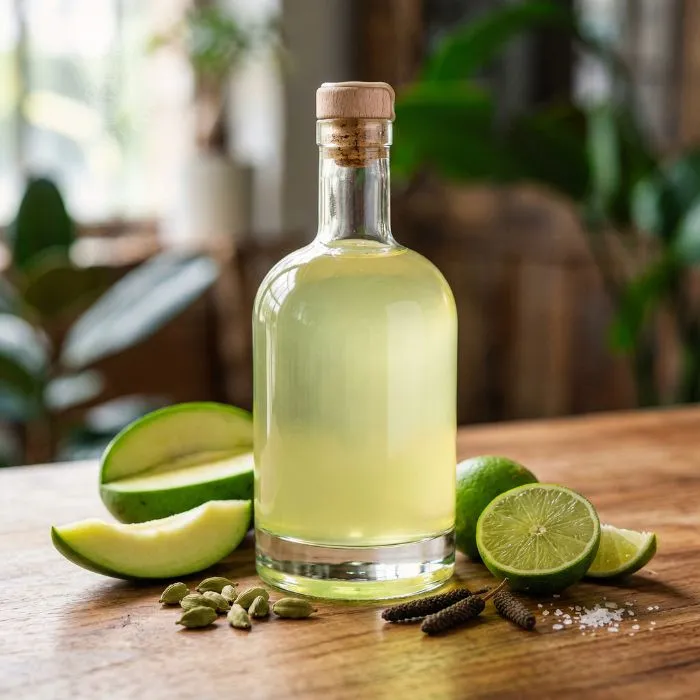
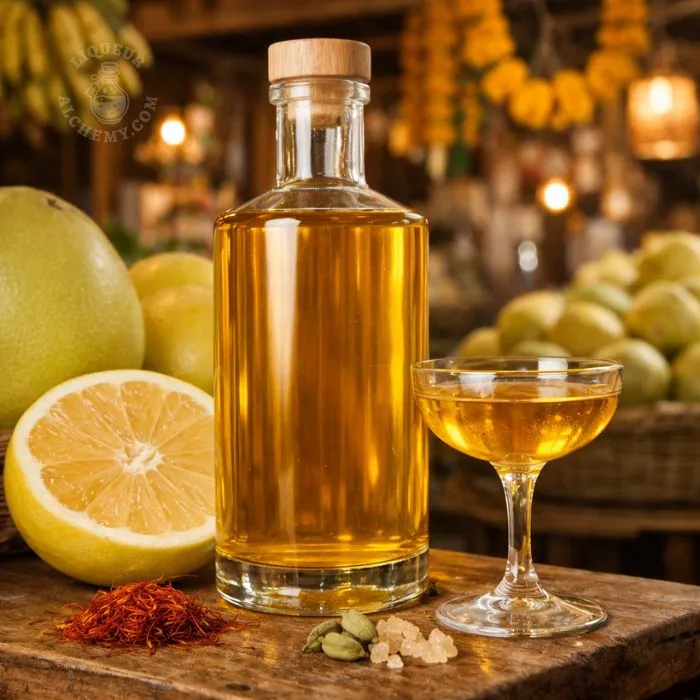
Nakhon Gold Pomelo & Saffron Rice Spirit Liqueur

Nakhon Gold offers a harmonious blend of sweet and citrus notes, highlighted by the refreshing essence of yellow pomelo. The infusion of saffron and cardamom adds an exotic depth, while the subtle touch of sea salt enhances its complexity. This crafted liqueur is both vibrant and smooth, perfect for sipping or as a unique cocktail component.

Main notes

  • Rice Spirit
  • Yellow Pomelo

Ingredients

  • Rice spirit 40% – 1 L
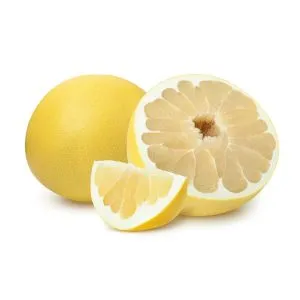
  • Yellow pomelo flesh – 450 g
  • Yellow pomelo peel – 3 strips
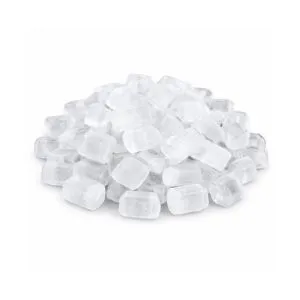
  • Rock sugar – 120 g
  • Honey – 30 g
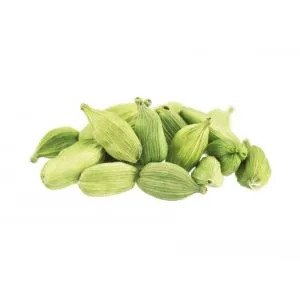
  • Green cardamom – 1 pod
  • Saffron – 0.12 g
  • Sea salt - 1 pinch

Preparation

  1. Peel three wide strips of yellow pomelo zest (no white pith).
  2. Add peel and lightly crushed cardamom to rice spirit. Seal.
  3. Infuse 48 hours in a cool, dark place.
  4. Remove peel to prevent bitterness.
  5. Add pomelo flesh (membranes removed).
  6. On Day 4, add saffron directly to the jar.
  7. On Day 7–8, strain and filter gently.
  8. Dissolve sugar and honey, add salt, combine, and rest 3 weeks before final filtration.
Download

The Story

Nakhon Gold was born from the warm orchards of central Thailand, where golden pomelos hang heavy in the humid air. Built on clean rice spirit, it captures the bright perfume of fresh citrus and layers it with the delicate warmth of saffron. A single pod of cardamom whispers softly beneath the fruit, while restrained sweetness keeps the profile elegant and aperitif-ready. The result is luminous yet controlled — a spirit that glows in the glass like late afternoon light over temple domes, vibrant but composed.

Who is "Nakhon Gold" Liqueur for?

For curious drinkers who appreciate subtle complexity and place-driven spirits. Ideal for aperitif lovers, slow sippers, and those drawn to bright citrus with refined floral warmth. It suits thoughtful evenings, elegant gatherings, and palates that prefer balance over sweetness.

"Nakhon Gold" Liqueur Serving Suggestions

Serve lightly chilled in a small stem glass before dinner. Its golden citrus aroma opens beautifully at cool room temperature, while saffron warmth lingers on the finish. Excellent as a refined aperitif or poured over a single clear cube to soften and lengthen the citrus glow.

Why the Name "Nakhon Gold"?

The name 'Nakhon Gold' draws inspiration from the vibrant culture and rich history of Nakhon, a region known for its lush landscapes and bountiful citrus groves. The word 'Gold' symbolizes the bright, golden hue of the pomelo, evoking the sun-drenched orchards where these fruits flourish. This liqueur embodies the spirit of the land and its natural treasures.

Testing Notes

During development, the infusion time proved crucial; a full 48 hours allowed the flavors to meld without bitterness from the pomelo peel. Adjusting the balance of sugar and honey was essential to achieve the desired sweetness. The final resting period of three weeks significantly enhanced the overall depth and smoothness of the liqueur.

Nakhon Gold Liqueur FAQ


Rock sugar is useful because it sweetens gently and keeps the citrus profile relatively clear. Honey adds a softer texture and a small roundness, but it also introduces its own aroma. If rock sugar is unavailable, white sugar is the closest substitute for preserving a bright and clean pomelo-led profile.

If you want to replace honey, a small extra amount of white sugar or a light simple syrup is usually the safest option. These alternatives maintain sweetness without pushing floral, caramel, or molasses notes into the drink. This matters in delicate citrus recipes, where even a small change in sweetener can shift the whole style.

A common mistake is swapping in dark sugars or strongly flavored honey without adjusting expectations. Coconut sugar, jaggery, or robust honey can easily overpower pomelo and blur the intended aperitif feel. For the clearest result, use the most neutral sweetener available and adjust sweetness gradually after straining.

View this Liqueur FAQ as a standalone page

After straining, sweetness should be adjusted in small steps rather than all at once. Pomelo can taste sharper immediately after infusion than it will after resting, so over-sweetening too early can make the finished liqueur feel heavy. Start with the planned sugar and honey, dissolve fully, then taste again after a short settling period.

The pinch of salt should remain subtle. Its role is not to make the drink taste salty, but to soften edges and support the citrus, saffron, and cardamom. Too much salt can flatten the brightness and make the finish feel dull, so it should be added carefully and only in a very small amount.

Resting for around three weeks helps the citrus, spice, and sweetness integrate into a smoother whole. During that time, small particles settle and the aroma becomes less sharp and more composed. Final filtration after resting often improves both clarity and perceived elegance.

View this Liqueur FAQ as a standalone page

Yellow pomelo peel extracts quickly in alcohol, especially when the zest is thin and highly aromatic. In the first 48 hours it contributes bright citrus oils, freshness, and a refined aperitif-style lift. After that point, the risk shifts toward bitterness and dry pith-like harshness, which can flatten the fruit and make the finish feel coarse.

Removing the peel early allows the later addition of pomelo flesh to bring softer citrus character without stacking too much peel bitterness on top. This staged approach keeps the liqueur cleaner, more elegant, and better balanced. It is particularly important in recipes that also contain saffron and cardamom, because those ingredients need space to remain noticeable.

A common mistake is leaving peel in the jar for the entire maceration because it seems minor compared with the fruit. In practice, peel is often the fastest and most aggressive citrus component. If the zest is especially thick or any white pith was included, checking even before 48 hours is wise.

Saffron is best added later in the infusion rather than at the beginning. When introduced after the pomelo peel stage, it has less time to dominate the entire extraction and can sit more gracefully on top of the citrus and spice. This helps preserve a golden aromatic note instead of turning the liqueur overly floral, dusty, or medicinal.

Adding saffron around day 4 works well because the base already contains citrus structure and some cardamom depth. At that point saffron can contribute color, warmth, and a subtle honeyed complexity without becoming the loudest element. In small recipes, even a tiny increase in saffron can noticeably change the balance.

One of the most common errors is assuming saffron behaves like a background spice that can steep indefinitely. It is powerful, and too much contact time can make the liqueur feel dry, perfumed, or strangely savory. If the aroma starts to move away from fresh citrus and toward concentrated spice, it has likely gone far enough.

View this Liqueur FAQ as a standalone page
Pomelo flesh should be added only after the peel stage, and the membranes should be removed as thoroughly as possible. The juicy segments bring fresh citrus body, but the membranes can introduce bitterness and a rough texture if left attached. Clean preparation makes a major difference to the final clarity and taste.

Gentle handling during straining is also important. Pressing the fruit too hard can force bitter compounds, excess pulp, and haze into the liquid. A light press is acceptable if you want a little extra yield, but squeezing aggressively usually harms the balance more than it helps.

Another mistake is cutting the fruit too early and letting it sit exposed before infusion. Pomelo flesh dries out and oxidizes quickly compared with peel. Prepare it close to the time of use, remove seeds and membranes carefully, and filter patiently at the end for a cleaner finish.

RALETED RECIPES OF LIQUEUR ALCHEMY


Explore more creations from Liqueur Alchemy that share similar flavours, techniques, or ingredients. These related recipes offer fresh ideas and inspired combinations to help you craft your next bold, homemade spirit.