Phu Quoc Sting

Phu Quoc Sting – Honey, Pepper & Rice Spirit Vietnamese Liqueur

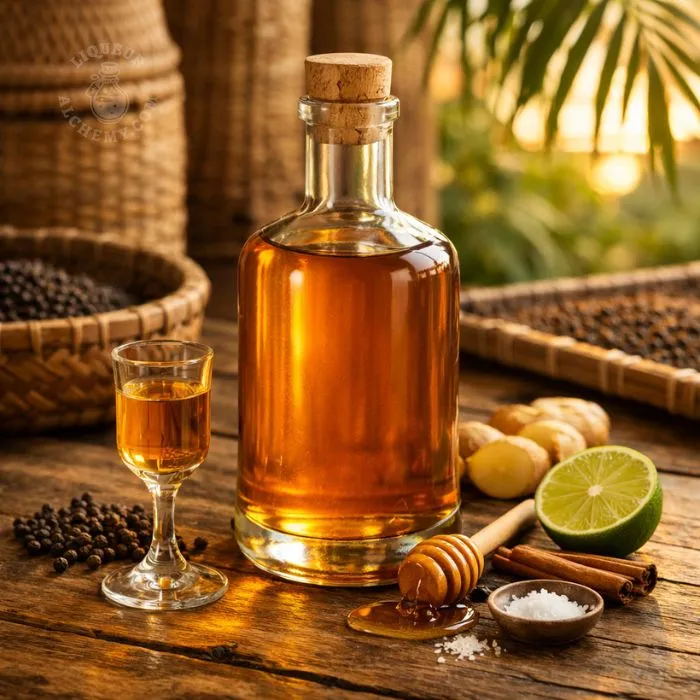
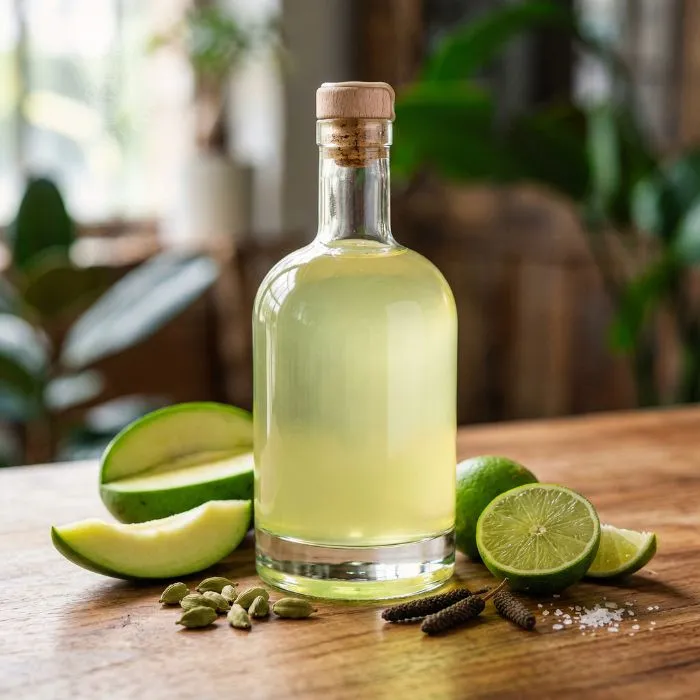
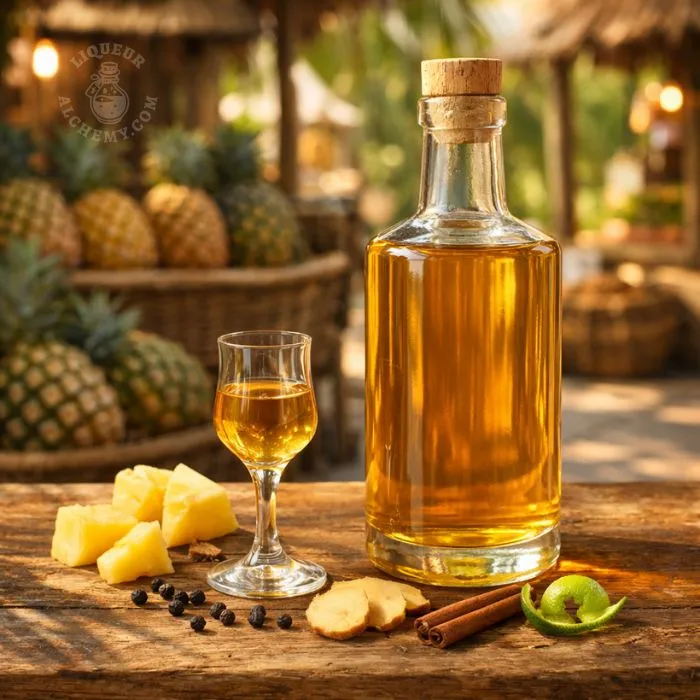
Phu Quoc Sting is a honey-sweetened rice spirit liqueur infused with Phú Quốc black pepper, ginger, lime zest, and cinnamon. The flavor is warm, aromatic, and gently spicy, with citrus brightness and smooth honeyed texture. It balances pepper heat with floral sweetness and soft spice depth.

Main notes

  • Rice Spirit
  • Black Pepper
  • Honey

Ingredients

  • Rice spirit (40%) – 1 L
  • Peppercorns (Black) - 18 g
  • Honey - 210 g
  • Lime – 1 (zest of ½)
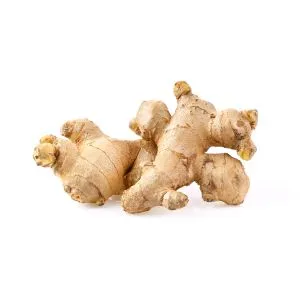
  • Ginger – 12 g (thin slices)
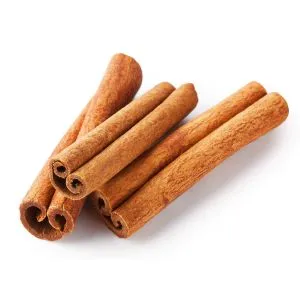
  • Cinnamon – ½ stick
  • Fine sea salt – small pinch

Preparation

  1. Lightly crush the black peppercorns using a mortar to release their aromatic oils.
  2. Place the crushed peppercorns in a clean glass jar.
  3. Add the sliced ginger, cinnamon stick, lime zest, and a small pinch of sea salt.
  4. Pour the rice spirit over the ingredients, ensuring everything is fully submerged.
  5. Seal the jar and store it in a cool, dark place.
  6. Allow the mixture to infuse for 6–8 days, gently shaking the jar once daily.
  7. Taste after day 6; strain earlier if the pepper becomes too intense.
  8. Strain through a fine filter or cheesecloth to remove all solids.
  9. Stir in the honey until fully dissolved, then bottle and rest the liqueur for 2–3 weeks before drinking.
Download

The Story

Created on Vietnam’s pepper island, Phu Quoc Sting captures the bold spirit of Phú Quốc in a glass. The island’s famous black pepper releases a warm citrusy heat when infused in rice spirit, while honey softens the spice into a smooth golden body. Fresh ginger adds brightness and gentle warmth, and lime zest lifts the aroma with a subtle tropical edge. A touch of cinnamon rounds the flavour, creating a layered balance between sweetness, spice, and fragrant depth. The result is a lively Vietnamese-inspired liqueur that feels both rustic and refined — a small tribute to the markets, pepper farms, and coastal breezes of Phú Quốc.

Who is "Phu Quoc Sting" Liqueur for?

For curious drinkers who enjoy bold flavors and unusual spice notes. Phu Quoc Sting suits slow sippers who appreciate warmth, gentle heat, and layered aromas. It’s ideal for those who enjoy discovering new ingredients and savoring small glasses of characterful, travel-inspired liqueurs.

"Phu Quoc Sting" Liqueur Serving Suggestions

Serve slightly chilled in a small cordial or liqueur glass. The honey softness and pepper warmth open slowly as it warms in the glass. Ideal as a slow evening sipper after dinner or alongside dark chocolate or roasted nuts.

Why the Name "Phu Quoc Sting"?

The name Phu Quoc Sting reflects both the origin and the personality of the liqueur. Phú Quốc Island is famous for its intensely aromatic black pepper, one of Vietnam’s most prized spices. The word “Sting” hints at the lively pepper warmth that gently tingles on the palate. Together, the name captures the island’s spice heritage and the spirited character of the drink.

Testing Notes

The name Phu Quoc Sting reflects both the origin and the personality of the liqueur. Phú Quốc Island is famous for its intensely aromatic black pepper, one of Vietnam’s most prized spices. The word “Sting” hints at the lively pepper warmth that gently tingles on the palate. Together, the name captures the island’s spice heritage and the spirited character of the drink.

Phu Quoc Sting Liqueur FAQ


A sharp flavor usually means the pepper extracted too strongly or tiny spice particles remained in the liquid after straining. Ginger sliced very thinly can also intensify the heat. In many cases the best first step is simply allowing the bottle to rest longer, because honey and alcohol need time to integrate and soften the spice edges.

If the liqueur tastes overly sweet, the honey may be masking the pepper and citrus notes. This often happens when strongly flavored honey is used or when sweetness is judged before the infusion has had time to settle. The balance can sometimes be improved by blending in a small amount of additional base spirit and letting the mixture rest again.

A muddy or dull taste is often caused by poor filtration or too many bold ingredients extracting simultaneously. Pepper dust, ginger fibers, and excess cinnamon can flatten the aroma. Careful filtering and allowing the liqueur to rest for two to three weeks usually brings back clarity and balance.

View this Liqueur FAQ as a standalone page

Black pepper, ginger, and lime zest extract at different speeds in alcohol, so timing is important. In a rice spirit infusion, lightly crushed black pepper usually releases its best aroma between 6 and 8 days. Ginger contributes warmth quite early, while lime zest quickly adds citrus fragrance. Begin tasting around day five so you can catch the moment when the flavors are bright but not harsh.

If the spices remain in alcohol too long, the character of the infusion can change noticeably. Pepper may shift from aromatic heat to woody sharpness, ginger can become dry and fibrous, and lime zest may start contributing bitterness if too much white pith is present. Removing the ingredients once the aroma feels lively prevents these heavier flavors from dominating the liqueur.

A practical approach is to infuse everything together for about six days and then taste daily. Most batches reach their best balance between days six and eight. After straining, filter carefully so tiny pepper particles do not continue extracting in the bottle, which could slowly make the finished liqueur harsher.

View this Liqueur FAQ as a standalone page

Rice spirit provides a clean base that allows pepper and honey to stand out clearly. If it is unavailable, a neutral vodka around forty percent alcohol is the closest substitute because it keeps the infusion bright and uncomplicated. Light white rum can also work, although it will introduce a slightly sweeter background that changes the character a little.

If high-quality black peppercorns from Phú Quốc cannot be found, choose another aromatic whole black pepper with citrusy fragrance rather than strong raw heat. Kampot pepper or Tellicherry peppercorns are good alternatives. Always use whole peppercorns that are lightly crushed before infusion, because pre-ground pepper extracts too quickly and can make the liqueur cloudy and harsh.

Honey can also be adjusted depending on availability and taste preference. Mild floral honey keeps the pepper profile clear, while darker honey creates a heavier sweetness. If the honey feels too dominant, replacing part of it with simple syrup can soften the sweetness while maintaining a smooth body.

RALETED RECIPES OF LIQUEUR ALCHEMY


Explore more creations from Liqueur Alchemy that share similar flavours, techniques, or ingredients. These related recipes offer fresh ideas and inspired combinations to help you craft your next bold, homemade spirit.