Sweet Kokum

Sweet kokum vodka with coastal citrus and gentle spice

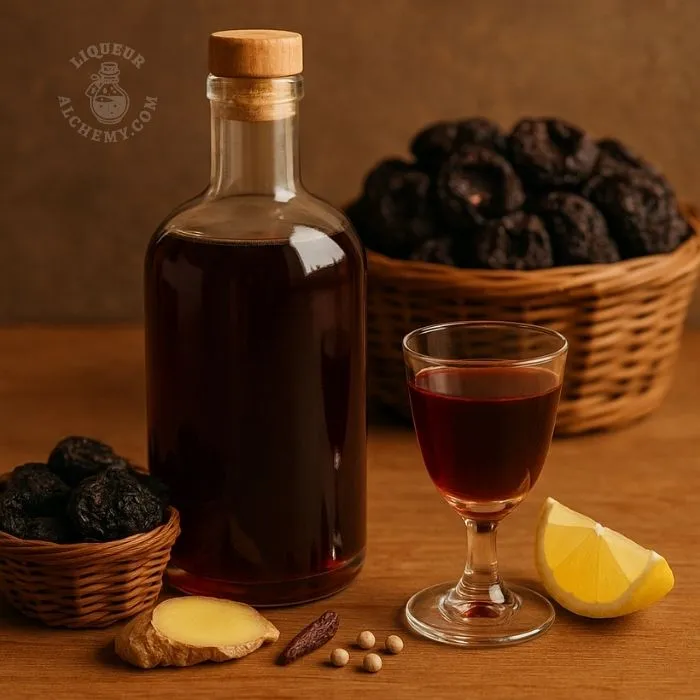
Sweet Kokum offers a unique blend of fruity sweetness and subtle spice. The candied kokum fruits impart a rich, tangy flavor, complemented by the warmth of ginger and a hint of white pepper. This liqueur is refreshing yet complex, making it an intriguing choice for sipping or mixing in cocktails.

Main notes

  • Vodka
  • Kokum

Ingredients

  • Vodka – 300 ml
  • Kokum Fruits (Candied) – 200 gr
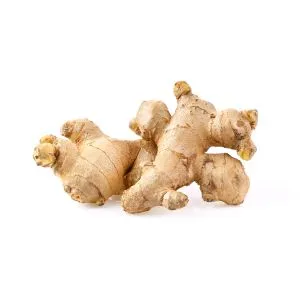
  • Ginger – 2cm
  • Brown Muscovado Sugar – 30 gr
  • Honey – 10 gr
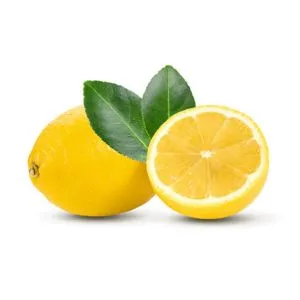
  • Lemon – ½ (Juice)
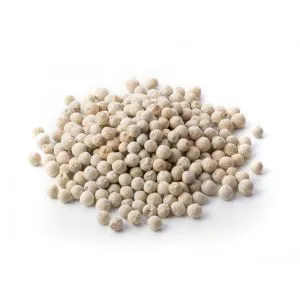
  • Peppercorns (White) – 5

Preparation

  1. Slice candied kokum pieces into smaller chunks if large.
  2. Peel and thinly slice the ginger.
  3. Lightly crush white peppercorns to open their aroma.
  4. Add kokum, ginger, and pepper to a clean glass jar.
  5. Add brown muscovado sugar and honey.
  6. Pour vodka over ingredients until fully covered.
  7. Add fresh lemon juice and stir gently.
  8. Seal and store in a cool, dark place for 10–14 days, shaking every 2–3 days.
  9. Strain through fine cloth, bottle, and rest 5 days before serving chilled.
Download

The Story

Sweet Kokum is a sunlit blend of coastal nostalgia and indulgence. Using candied kokum, this version turns the fruit’s natural tartness into a soft, ruby sweetness kissed by the sea. Ginger adds warmth, white pepper a teasing spark, while muscovado sugar and honey deepen its golden heart. Finished with a squeeze of lemon, it becomes a bright, layered liqueur — sweet, spicy, and gently tangy. Every sip feels like a summer memory steeped in time, where coastal flavors dance in smooth vodka harmony.

Who is "Sweet Kokum" Liqueur for?

For curious sippers who love tangy, jewel-toned fruit with a ginger-pepper spark—small, punchy, and intensely aromatic. Ideal for tasting flights, bold little after-dinner pours, and anyone who enjoys sour-sweet balance with a clean, modern bite.
"Sweet Kokum" Liqueur Serving Suggestions

Serve very cold in a tiny cordial glass to keep the tang crisp. Best as a small after-dinner sip. Let it warm slightly to reveal kokum depth and ginger lift. If it feels too sharp, add one small ice chip or a splash of chilled water to soften.

Why the Name "Sweet Kokum"?

The name 'Sweet Kokum' pays homage to the kokum fruit, a cherished ingredient in Indian cuisine known for its tangy flavor and vibrant color. The word 'sweet' reflects the balance of flavors achieved through the addition of brown muscovado sugar and honey, celebrating the harmony between sweetness and the fruit's natural tartness.

Testing Notes

During development, we found that the quality of the kokum fruits significantly influenced the final flavor. Adjusting the amount of ginger provided a delightful warmth without overpowering the other ingredients. Straining through fine cloth ensured a smooth texture, perfect for enjoying chilled or in cocktails.

Sweet Kokum Liqueur FAQ


Ginger and white pepper both extract quickly and can turn a small batch from “zippy” to “hot” fast. Kokum already has a sharp bite, so too much heat can feel aggressive and mask the fruit’s tangy depth. The goal is gentle warmth that supports acidity.

Remove ginger as soon as you get a clear ginger perfume and a mild warmth on the finish. White pepper should be removed once you notice a clean, light lift—before it becomes papery or medicinal. If you are unsure, pull both early; you can always add a very short second touch later.

If it is already too hot, strain immediately and rest. Dilution is often the best correction because it lowers heat intensity and restores tangy aroma without piling on sweetness. Sweetening can hide heat briefly but often returns as a burning finish.

Candied kokum provides both flavor and built-in sweetness. Dried kokum is more intense and can be harsher because it lacks the candy’s sugar buffer. Kokum syrup is already sweet and usually acidic, so it changes your sweetener math.

If using dried kokum, use a smaller amount and shorten contact time; taste frequently and remove when the tang is vivid but not harsh. If using kokum syrup, reduce added sugar and honey accordingly and treat it as both flavor and sweetener. In both cases, be careful with extra lemon juice—kokum already brings plenty of acidity.

When substituting, aim for balance through dilution and rest. Kokum’s flavor can feel sharp at first; time helps it smooth out. Make adjustments in tiny steps and always taste chilled for the most honest reading.

Kokum is naturally sharp and tangy, and candied kokum can still bring strong acidity. Adding lemon juice can make the profile brighter, but it can also push it into puckering sourness if the sweeteners are not supporting it. The goal is a jewel-like tang that feels mouthwatering, not harsh.

Taste chilled and adjust gently. If it is too sour, try a small dilution first; lowering acidity concentration often makes honey and sugar feel more effective. Then sweeten in tiny increments, focusing on clean sweetness. If it feels dull or heavy, do not add more lemon—lift aroma instead by using a short ginger touch or a small reduction in density.

Resting helps a lot with kokum. The first week can taste sharp and angular, but after a couple of weeks the acidity rounds and the flavor becomes more integrated. Final tweaks should be small and patient.

RALETED RECIPES OF LIQUEUR ALCHEMY


Explore more creations from Liqueur Alchemy that share similar flavours, techniques, or ingredients. These related recipes offer fresh ideas and inspired combinations to help you craft your next bold, homemade spirit.