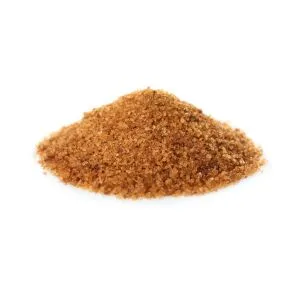
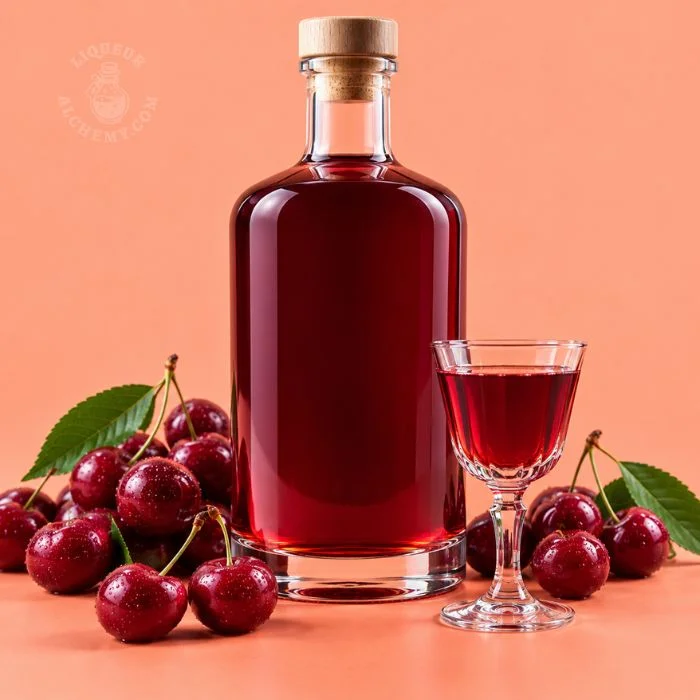
White Sugar

White Sugar for Liqueurs: Clean Sweetness, Syrups, and Balance

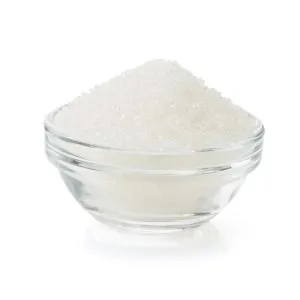
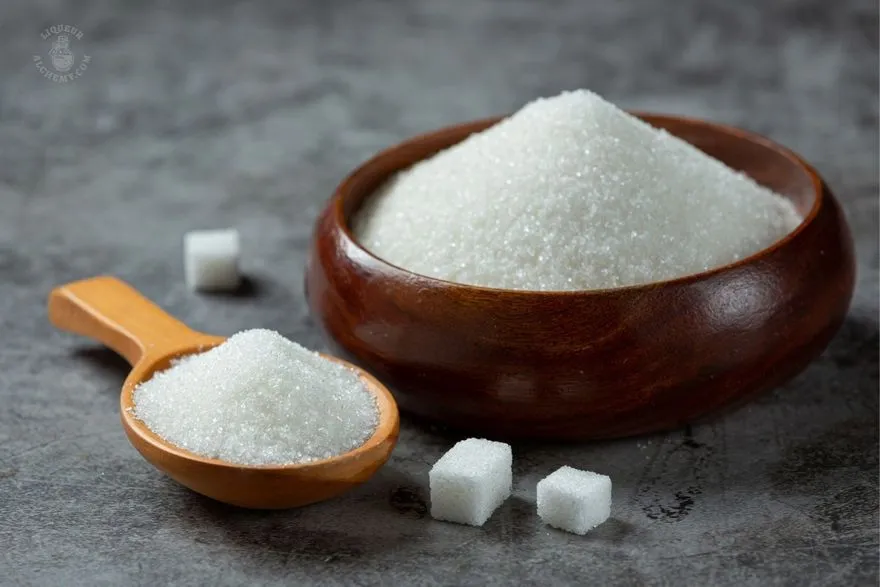
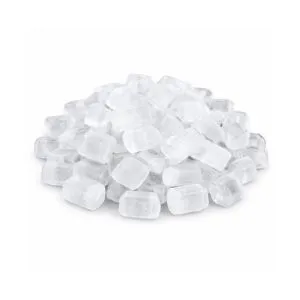
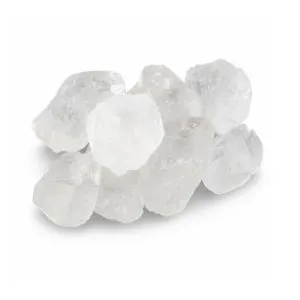
White sugar is the baseline sweetener for liqueurs: clean, neutral, and highly predictable. It dissolves easily into hot or cold syrup and lets fruit, citrus oils, herbs, and spices stay clearly expressed. Because it adds sweetness without extra aromas, it is ideal when you want bright top-notes and crisp definition. Use it to correct balance after infusion, then rest the bottle 1–2 weeks so sweetness integrates and alcohol softens. Add syrup slowly to avoid haze.

White Sugar

Home / Ingredients / Sugars & Sweeteners / White Sugar

White Sugar Flavor Profile

clean, neutral, sweet
White Sugar Impact on Liqueurs

Clean sweetness; boosts body and balance without adding extra aroma or color.

How to Use White Sugar?

Make a simple syrup (1:1 or 2:1). Add gradually after straining, taste, then rest 1–2 weeks.

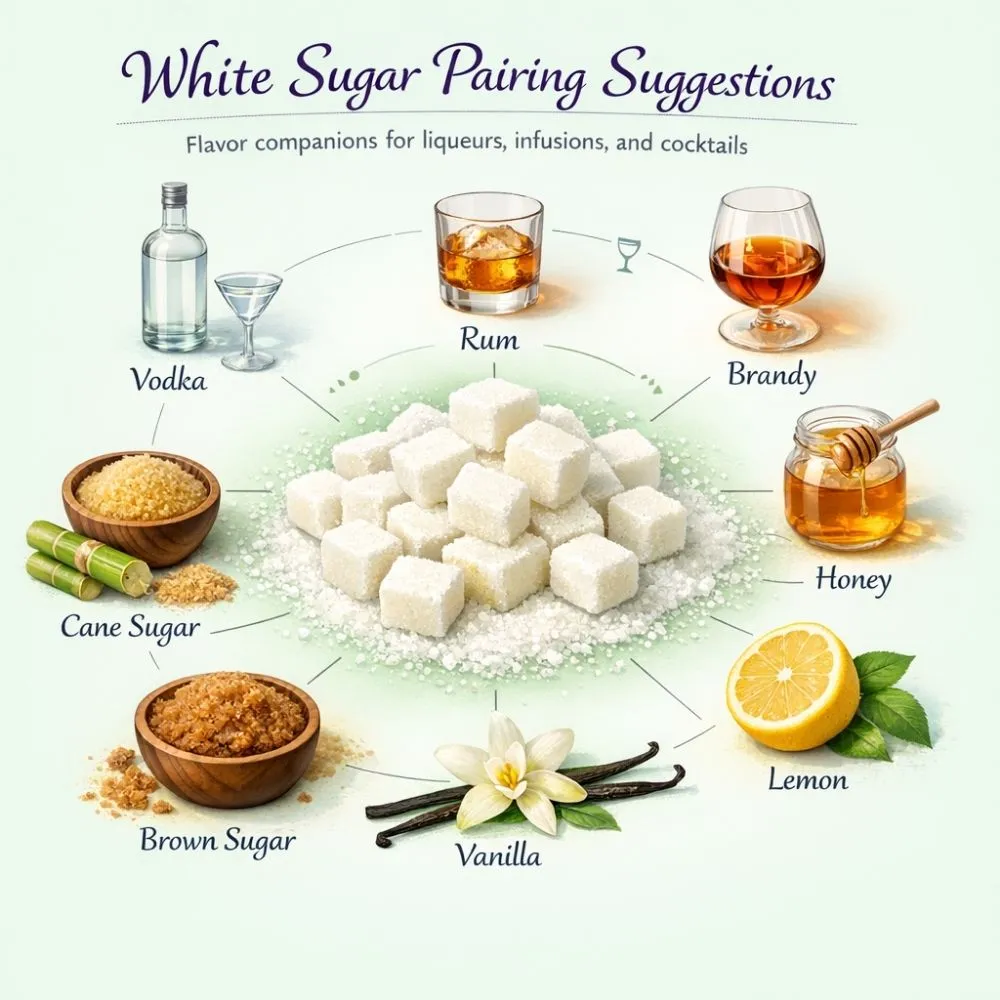
White Sugar Pairing Suggestions

Vodka, Rum, Brandy, Honey, Cane Sugar, Brown Sugar, Lemon Peel, Vanilla

White Sugar pairing suggestions for liqueur making

White Sugar FAQ


Cloudiness after adding white sugar usually comes from tiny undissolved crystals, rapid chilling (which can “shock” dissolved solids out of solution), or oils/plant waxes that become more visible once sweetness increases. If you poured dry sugar into high-proof spirit and only shook briefly, it can look clear at first and then haze as crystals slowly dissolve and re-form micro-particles.

Fix it by making a simple syrup (1:1 by weight) and adding it cooled, in small increments, with gentle stirring. If haze persists, let the bottle rest 3–7 days, then fine-filter (coffee filter) or cold-crash in the fridge overnight and filter again.

Common mistake: sweetening before you’ve removed bitter pith/zest or before a rest period. Do your extraction first, strain, rest a few days, then sweeten gradually—this keeps both clarity and flavor more predictable.

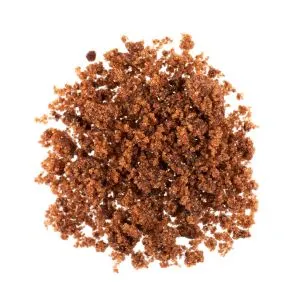
Yes, but expect a flavor shift. White sugar is neutral: it boosts sweetness and mouthfeel without adding aroma. Cane sugar can add a light caramel/rum-like note, while brown sugar brings molasses tones that can dominate delicate infusions.

Substitution rule: swap gram-for-gram for sweetness, then taste after 24–48 hours. If you switch to brown sugar, start with 20–30% less than your normal white-sugar amount and adjust upward slowly—molasses can make a liqueur feel “heavier” even at the same sugar level.

Common mistake: swapping sugars late and assuming nothing else changes. Different sugars also affect perceived bitterness and spice heat, so do a small test (100 ml) before committing the whole batch.

White sugar plays a significant role in flavor extraction during the liqueur-making process. As it dissolves, it helps to draw out the essential oils and flavors from fruits, herbs, or spices, enriching the liqueur's taste. This interaction can lead to a more vibrant and well-rounded flavor profile.

The extraction process is influenced by the temperature and duration of infusion. Warmer temperatures can enhance the solubility of sugar and accelerate flavor extraction. However, care must be taken not to overheat the mixture, as this can lead to undesirable caramelization of the sugar.

Ultimately, the right amount of white sugar can elevate your liqueur, providing a balanced sweetness that complements the extracted flavors. Adjusting sugar levels throughout the process allows for fine-tuning of the final product to achieve your desired taste.

To avoid mistakes with white sugar, start by measuring accurately. Using a kitchen scale can help ensure you add the right amount, preventing overpowering sweetness.

Dissolving the sugar in a small amount of warm water or alcohol before adding it to the mixture can help achieve a smooth texture. This technique ensures that the sugar integrates well without leaving any gritty residue.

Finally, opt for organic or high-quality white sugar. This choice can enhance the flavor profile of your liqueur, ensuring a cleaner and more refined taste in the final product.

Yes, artificial sweeteners can be used as substitutes for white sugar in liqueur making. Sweeteners like stevia and erythritol are popular choices due to their low-calorie content. However, they may alter the flavor profile slightly.

When using these sweeteners, it’s essential to check their sweetness levels, as they can be much sweeter than sugar. Adjust the amount accordingly, starting with a smaller quantity and tasting as you go to achieve the desired sweetness.

Keep in mind that some artificial sweeteners might not dissolve as well as sugar, which can affect the texture of your liqueur. Experimentation may be necessary to find the right balance for your specific recipe.
White Sugar
White Sugar in Liqueur Crafting

More Sugars & Sweeteners


RELATED RECIPES OF LIQUEUR ALCHEMY


Explore more creations from Liqueur Alchemy that share similar flavours, techniques, or ingredients. These related recipes offer fresh ideas and inspired combinations to help you craft your next bold, homemade spirit.

LIQUEUR ALCHEMY TOOLS & RESOURCES


Design labels in minutes—beautiful, practical, and ready to print. Choose a tool below to generate bottle or ingredient labels that match your Liqueur Alchemy workflow.
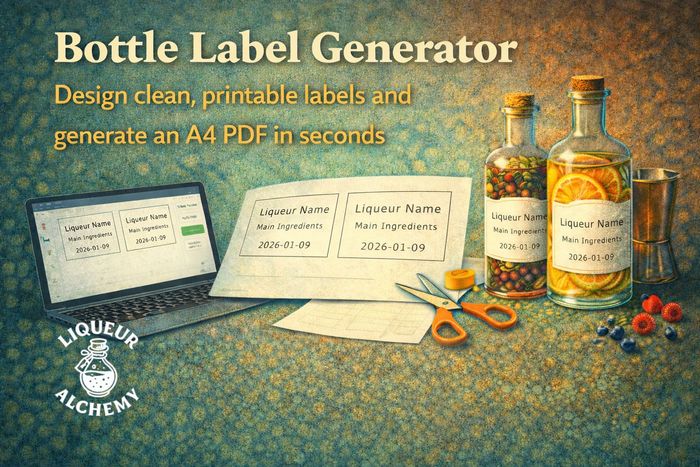
Bottle Label Generator preview

Bottle Label Generator

Create clean bottle labels with your liqueur name, batch details, date — ready for printing and gifting.
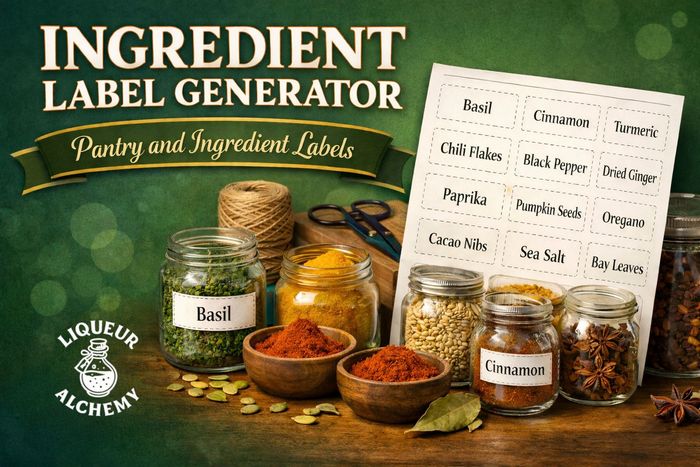
Ingredient Label Generator preview

Ingredient Label Generator

Label jars, containers, and storage bags to maintain clear organization from preparation through infusion and serving.
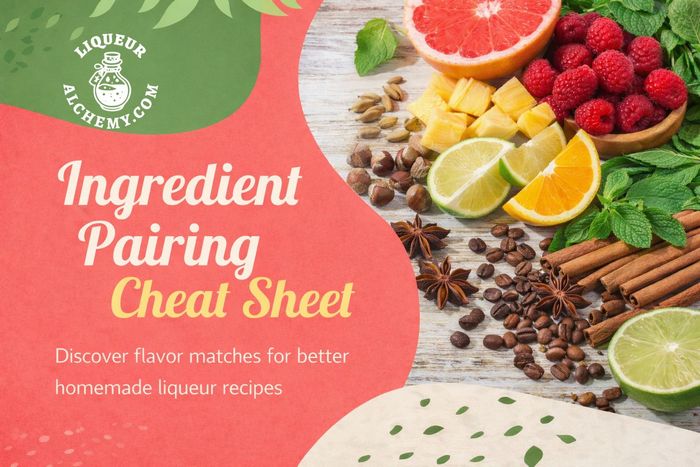
Ingredient pairing cheat sheet for creating balanced homemade liqueurs

Ingredient Pairing Cheat Sheet

Discover flavor combinations that create balanced, complex, and unique homemade liqueurs.