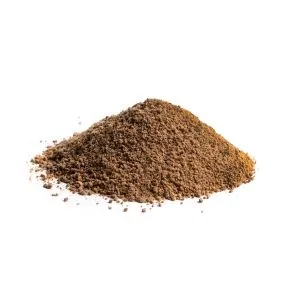
Jaggery

Jaggery for Liqueurs: Rustic Sweetness, Mineral Depth, and Complexity

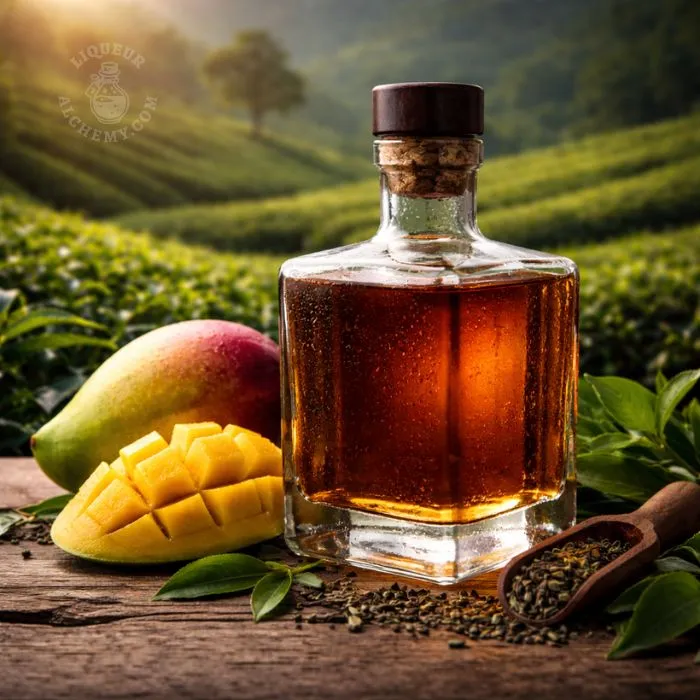
Jaggery is unrefined and mineral-rich with earthy, fruity funk. It deepens color and mouthfeel, ideal for mango, tamarind, chai spices, coffee, and rum styles. Dissolve gently, skim foam, strain sediment, and rest 2–4 weeks. Start small.

Jaggery

Home / Ingredients / Sugars & Sweeteners / Jaggery

Jaggery Flavor Profile

earthy, mineral, fruity, fermented caramel
Jaggery Impact on Liqueurs

Adds rustic complexity and thicker texture.

How to Use Jaggery?

Dissolve slowly, skim foam, strain sediment, rest longer.

Jaggery Pairing Suggestions

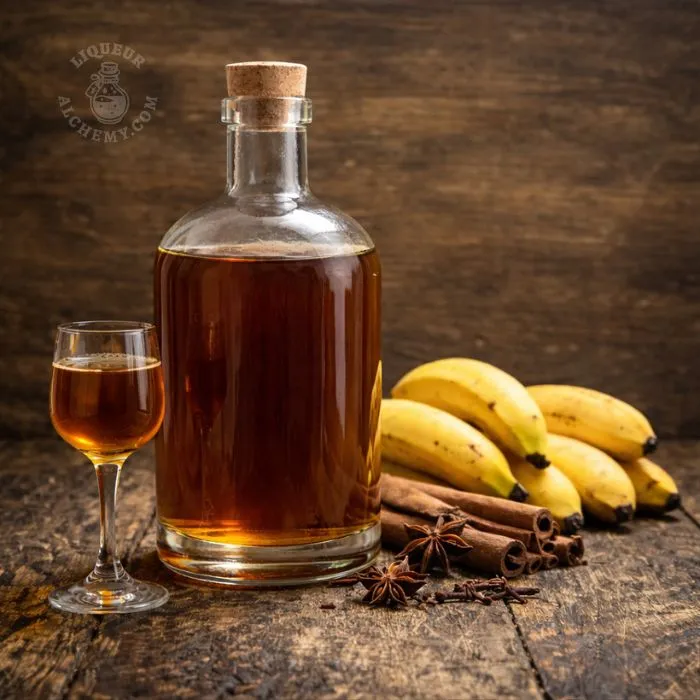
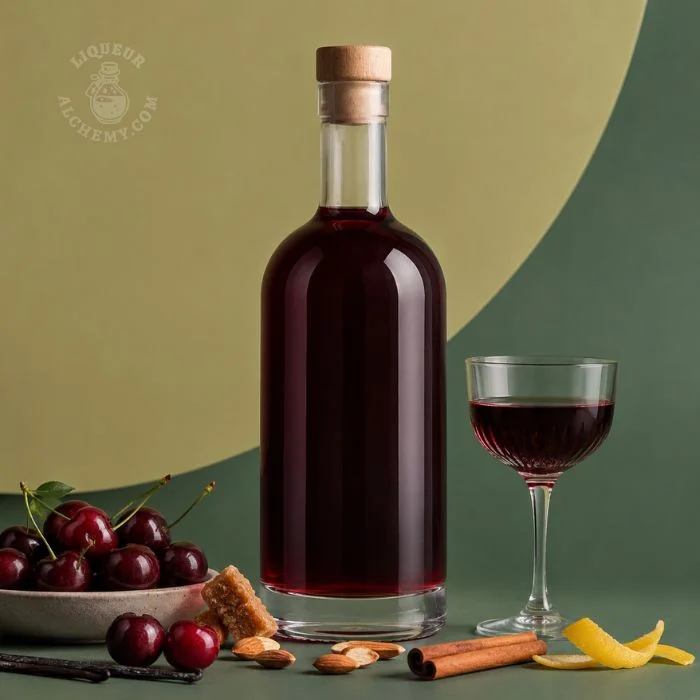
Rum, Ginger, Cardamom, Cinnamon, Clove, Coconut, Banana, Vanilla
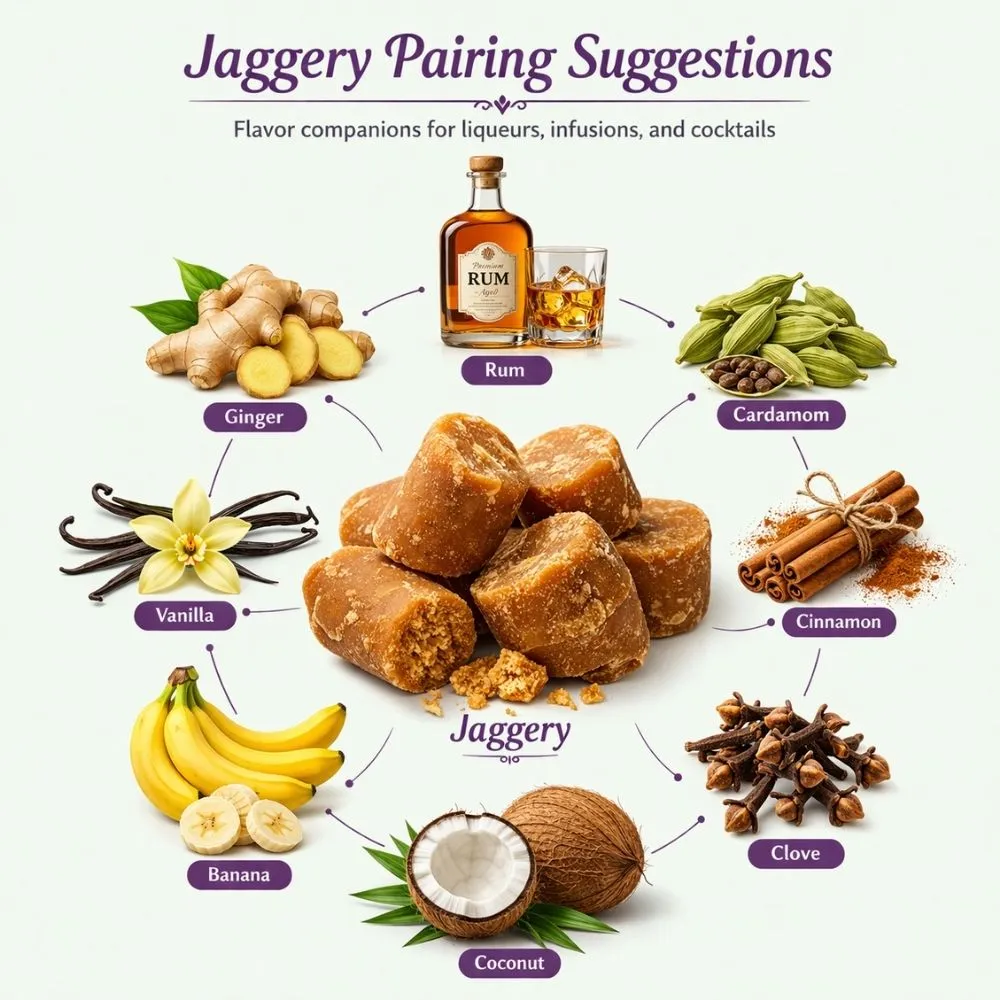
Jaggery pairing suggestions for liqueur making

Jaggery FAQ


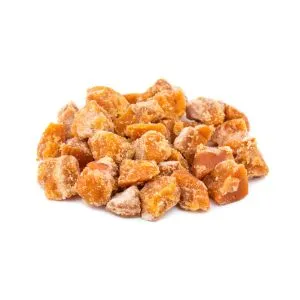
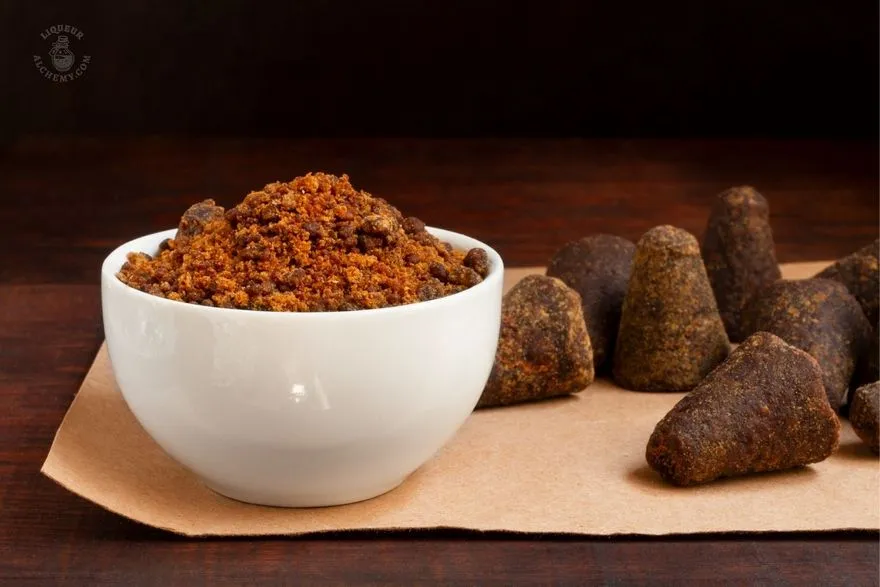
Jaggery is made by boiling sugarcane juice (or palm sap) and letting it set, with minimal processing. It retains natural molasses and trace minerals, giving it a warm, caramel-like, slightly earthy flavor and a golden-brown color.

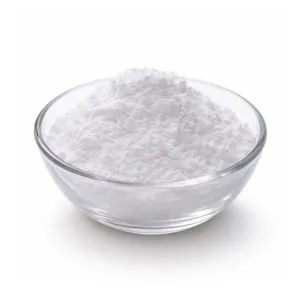
White sugar is fully refined sugarcane or beet sugar. Molasses and minerals are removed, leaving nearly pure sucrose. This results in a clean, neutral sweetness, bright white color, and very predictable behavior in recipes.

In taste and use, jaggery adds depth, body, and darker color, but can slightly cloud liquids. White sugar dissolves cleanly, keeps flavors sharp, and preserves clarity—ideal when you don’t want extra flavor interference.

In liqueurs and infusions, jaggery creates a rounder, richer, more “aged” feel, while white sugar highlights fruit or botanical notes. Many makers blend both to balance depth and brightness.

Jaggery is less refined and often comes with fine solids, so direct addition can leave grit or sediment. In high-proof alcohol it also dissolves slowly and unevenly.

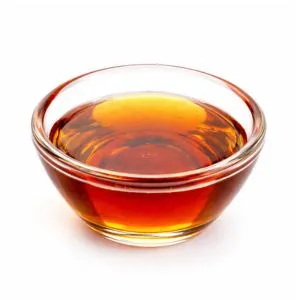
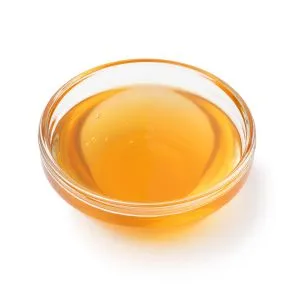
Best method: make a jaggery syrup using gentle heat and minimal water, then strain it while warm through a fine sieve/cloth. Cool completely before adding to your infused spirit in small increments.

Common mistake: adding jaggery chunks straight to the jar and assuming shaking fixes it. You’ll get uneven sweetness and more sediment. Syrup + strain gives you control and a cleaner bottle.

In a properly alcoholic liqueur (generally above ~20% ABV), jaggery doesn’t “spoil” easily, but its extra solids can encourage haze and sediment over time. Flavor can also evolve faster because jaggery brings more aromatic compounds than refined sugar.

Store jaggery liqueurs in a cool, dark place, tightly sealed. Give them a longer rest (2–4 weeks) before judging—jaggery edges soften with time. If you want the cleanest bottle, filter after a week of settling.

Common mistake: storing warm or in sunlight. Jaggery notes can darken and flatten. Cool + dark keeps it tasting brighter and more layered.

Several factors influence the extraction behavior of jaggery in liqueur making. The type of alcohol used can significantly affect how well jaggery dissolves and releases its flavors. For instance, higher proof spirits tend to extract flavors more efficiently than lower proof options.

Temperature is another critical factor. Warmer temperatures can speed up the extraction process, but excessive heat may compromise the delicate flavors of jaggery. It's often recommended to use moderate heat to achieve optimal results without losing the natural sweetness and complexity.

Lastly, the particle size of jaggery can impact extraction. Finer pieces dissolve more quickly, allowing for a faster infusion, while larger chunks may require more time. Adjusting these variables can help craft the perfect liqueur with the desired flavor profile.

To avoid mistakes, start by measuring your jaggery accurately. Many beginners underestimate the sweetness, leading to overly sweet liqueurs. Use a scale for precision to ensure the right balance in your recipe.

Additionally, consider the infusion time. Jaggery can impart its flavor quickly, so monitor the infusion process closely. A common error is leaving it too long, which can overwhelm the other flavors in your liqueur.

Lastly, always taste your mixture throughout the process. This allows you to adjust sweetness and acidity as needed, preventing any last-minute surprises. Regular tasting ensures a well-balanced final product.
Jaggery
Jaggery in Liqueur Crafting

More Sugars & Sweeteners


RELATED RECIPES OF LIQUEUR ALCHEMY


Explore more creations from Liqueur Alchemy that share similar flavours, techniques, or ingredients. These related recipes offer fresh ideas and inspired combinations to help you craft your next bold, homemade spirit.

LIQUEUR ALCHEMY TOOLS & RESOURCES


Design labels in minutes—beautiful, practical, and ready to print. Choose a tool below to generate bottle or ingredient labels that match your Liqueur Alchemy workflow.
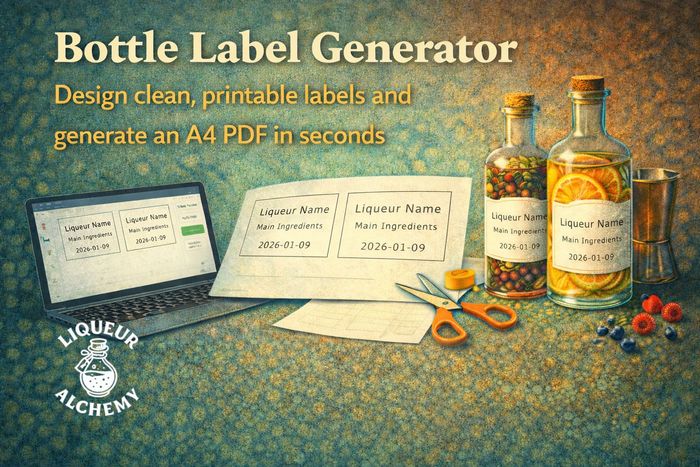
Bottle Label Generator preview

Bottle Label Generator

Create clean bottle labels with your liqueur name, batch details, date — ready for printing and gifting.
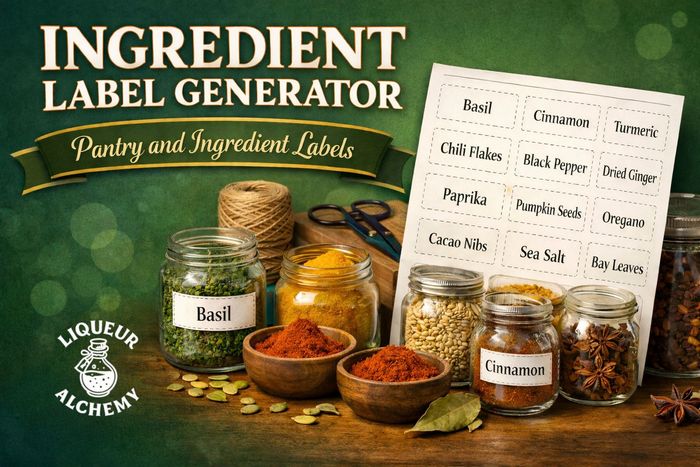
Ingredient Label Generator preview

Ingredient Label Generator

Label jars, containers, and storage bags to maintain clear organization from preparation through infusion and serving.
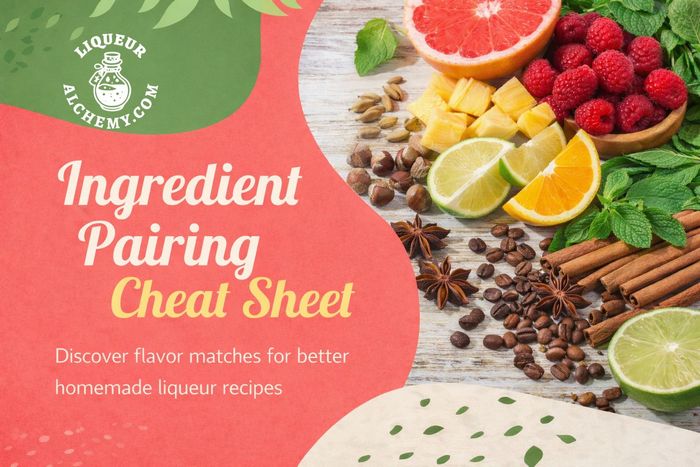
Ingredient pairing cheat sheet for creating balanced homemade liqueurs

Ingredient Pairing Cheat Sheet

Discover flavor combinations that create balanced, complex, and unique homemade liqueurs.