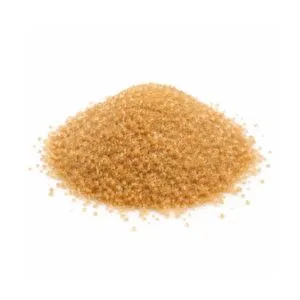
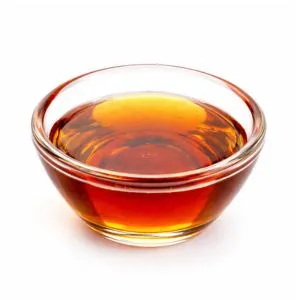
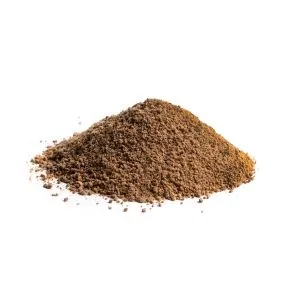
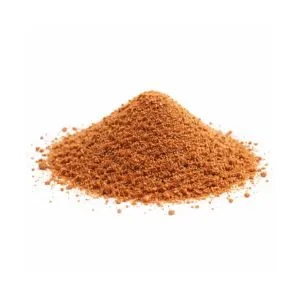
Muscavado Sugar

Muscovado Sugar in Liqueurs: Big Molasses, Dark Body, and Warmth

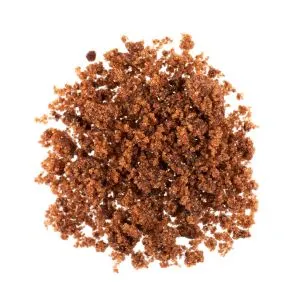
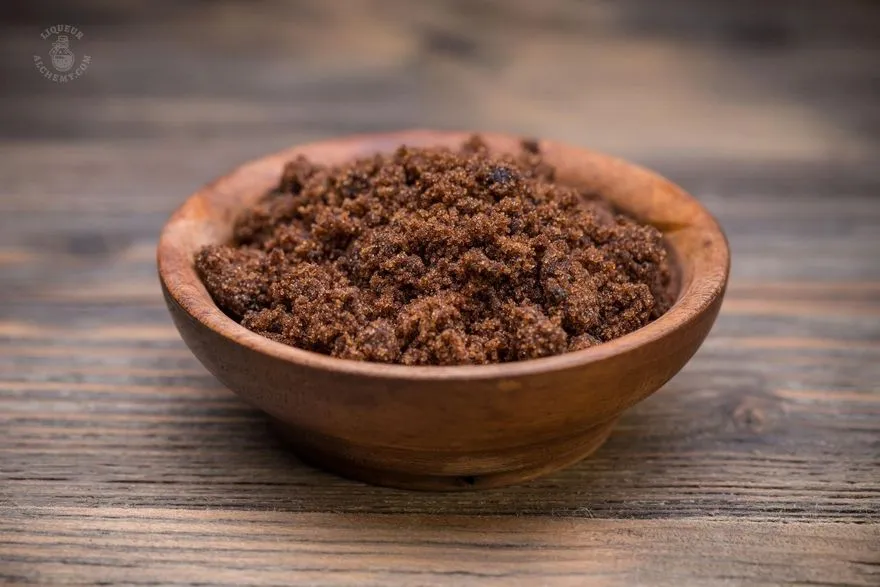
Muscovado is rich in molasses with treacle, dried fruit, and smoky notes. It adds heavy body and aged-style depth, ideal for rum, coffee, cacao, banana, or spiced winter liqueurs. Dissolve gently, strain sediment, and rest 2–4 weeks. Use sparingly; it easily dominates light styles.

Muscavado Sugar

Home / Ingredients / Sugars & Sweeteners / Muscavado Sugar

Muscavado Sugar Flavor Profile

treacle, smoky, dried-fruit, rum-like sweet
Muscavado Sugar Impact on Liqueurs

Creates dark, aged-style richness and big mouthfeel.

How to Use Muscavado Sugar?

Dissolve gently, strain sediment, and rest longer for full integration.

Muscavado Sugar Pairing Suggestions

Rum, Pear, Vanilla, Coffee, Cacao, Cinnamon, Clove, Orange Peel
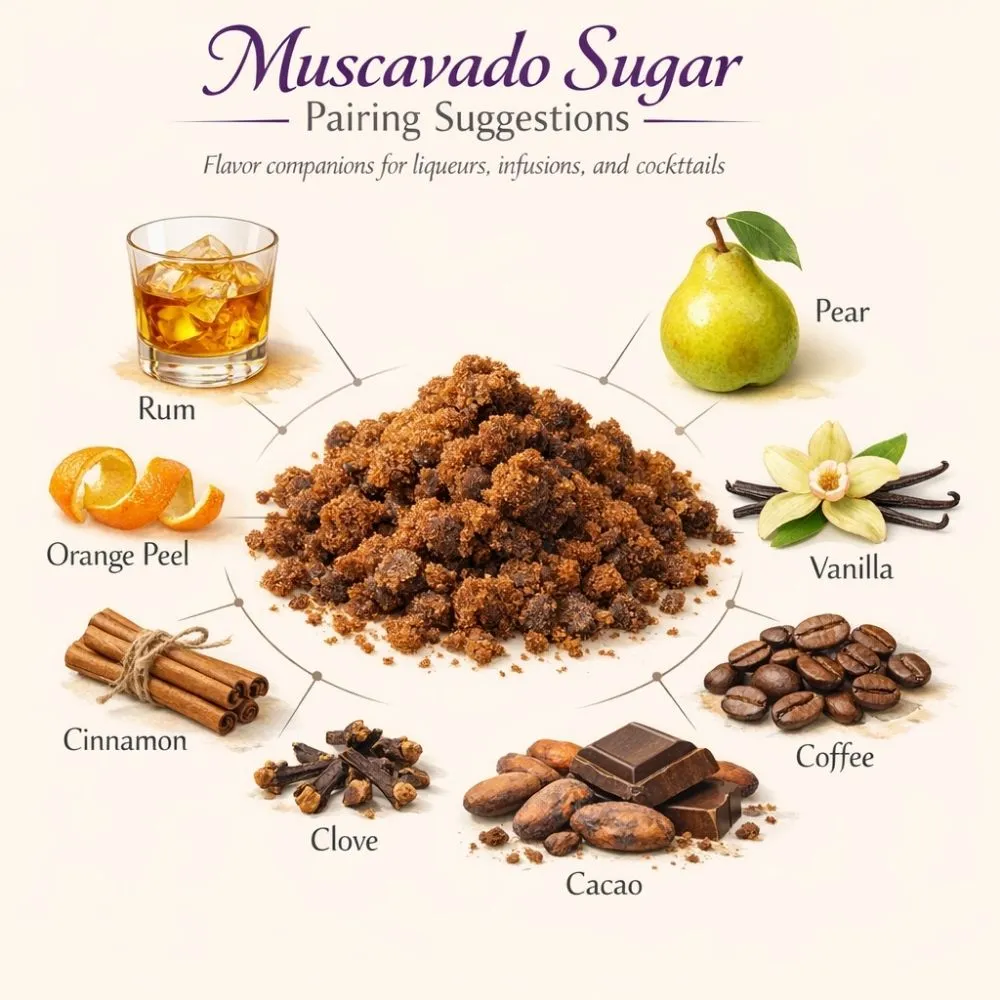
Muscavado Sugar pairing suggestions for liqueur making

Muscavado Sugar FAQ


Muscovado is potent. A safe starting point is 80–160 g per finished liter if it’s the only sweetener, or use it as 20–50% of your total sugar blend. The darker and more bitter your infusion (coffee, cacao, peels), the more muscovado it can handle.

Sweeten in steps and rest at least 48 hours between adjustments. Muscovado’s aroma blooms with time, so what tastes balanced on day one can feel heavy a few days later.

Common mistake: treating muscovado like neutral sugar. It’s a flavor ingredient. Use it deliberately, record the grams, and you’ll be able to dial in your “signature molasses note” batch to batch.

Muscovado contains more natural solids and molasses components than refined sugars, so a little sediment isn’t unusual. In high-proof alcohol, some of those components can fall out as fine particles.

Fix: dissolve muscovado in warm water first, strain the syrup if needed, cool fully, then add. After sweetening, let the liqueur rest a week and filter through a coffee filter if clarity matters.

Common mistake: expecting crystal-clear results with rustic sugars. If you want clarity, keep muscovado as a smaller percentage of the blend, or accept a “craft cloudy” look as part of the style.

Using muscovado sugar for extraction in liqueurs offers several advantages. Its high molasses content not only adds depth to the flavor but also provides a natural sweetness that complements various botanicals. This can lead to a more harmonious blend in the final product.

Muscovado sugar dissolves easily in alcohol, facilitating a smoother extraction process. Its unique flavor profile can enhance the aromatic qualities of the liqueur, making it more appealing to consumers. Additionally, the syrupy texture can improve mouthfeel, enriching the overall tasting experience.

Moreover, muscovado sugar is less processed than white sugar, retaining more of its natural minerals and nutrients. This can appeal to those looking for a more artisanal approach to liqueur making, aligning with the trend towards using high-quality, natural ingredients.

The amount of muscovado sugar to use can vary based on the recipe and personal taste. A general guideline is to start with 100 grams per liter of base spirit. This provides a balanced sweetness without overpowering other flavors.

You can adjust the dosage based on your preference for sweetness. If you prefer a richer flavor, consider increasing the amount to 150 grams per liter. Always remember that muscovado sugar has a strong molasses flavor, so a little goes a long way.

It's advisable to taste your liqueur as you go. This allows you to fine-tune the sweetness and achieve the perfect balance for your unique concoction.

To avoid mistakes, start by measuring your muscovado sugar accurately, taking into account its unique moisture content. This helps maintain the right sweetness and consistency in your liqueur.

It’s also advisable to experiment with small batches first. This allows you to adjust the sweetness and flavor without risking a larger batch. Tasting as you go is key to finding the right balance.

Lastly, ensure that you fully dissolve the muscovado sugar in your base liquid before combining it with other ingredients. This will help you achieve a smooth and well-blended liqueur, enhancing the overall quality.
Muscavado Sugar
Muscavado Sugar in Liqueur Crafting

More Sugars & Sweeteners


RELATED RECIPES OF LIQUEUR ALCHEMY


Explore more creations from Liqueur Alchemy that share similar flavours, techniques, or ingredients. These related recipes offer fresh ideas and inspired combinations to help you craft your next bold, homemade spirit.

LIQUEUR ALCHEMY TOOLS & RESOURCES


Design labels in minutes—beautiful, practical, and ready to print. Choose a tool below to generate bottle or ingredient labels that match your Liqueur Alchemy workflow.
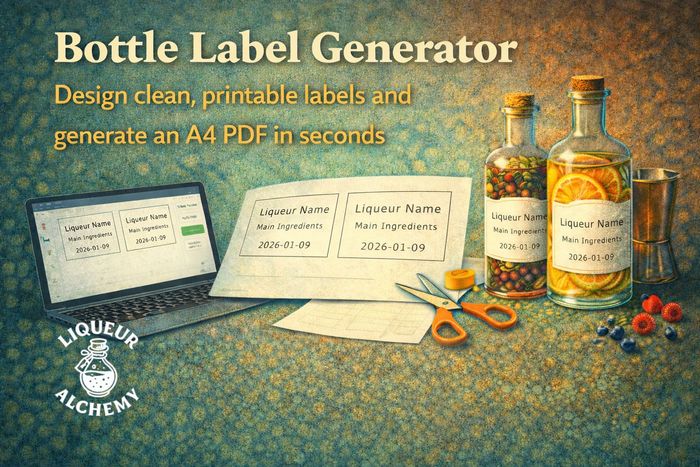
Bottle Label Generator preview

Bottle Label Generator

Create clean bottle labels with your liqueur name, batch details, date — ready for printing and gifting.
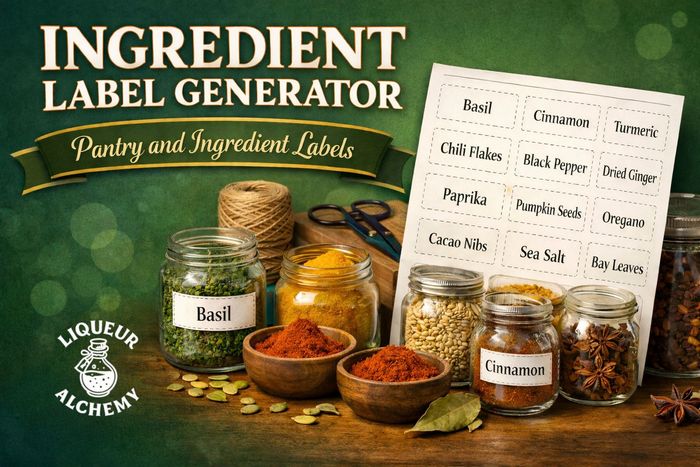
Ingredient Label Generator preview

Ingredient Label Generator

Label jars, containers, and storage bags to maintain clear organization from preparation through infusion and serving.
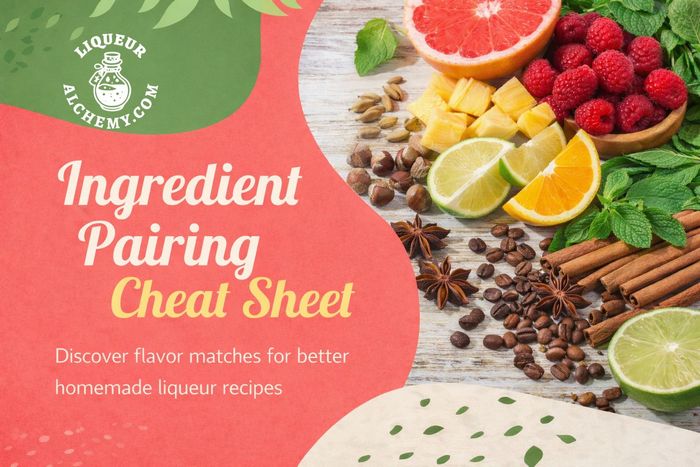
Ingredient pairing cheat sheet for creating balanced homemade liqueurs

Ingredient Pairing Cheat Sheet

Discover flavor combinations that create balanced, complex, and unique homemade liqueurs.