Coconut Sugar

Coconut Sugar for Liqueurs: Toasty Caramel Notes and Gentle Depth

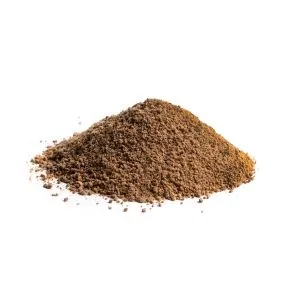
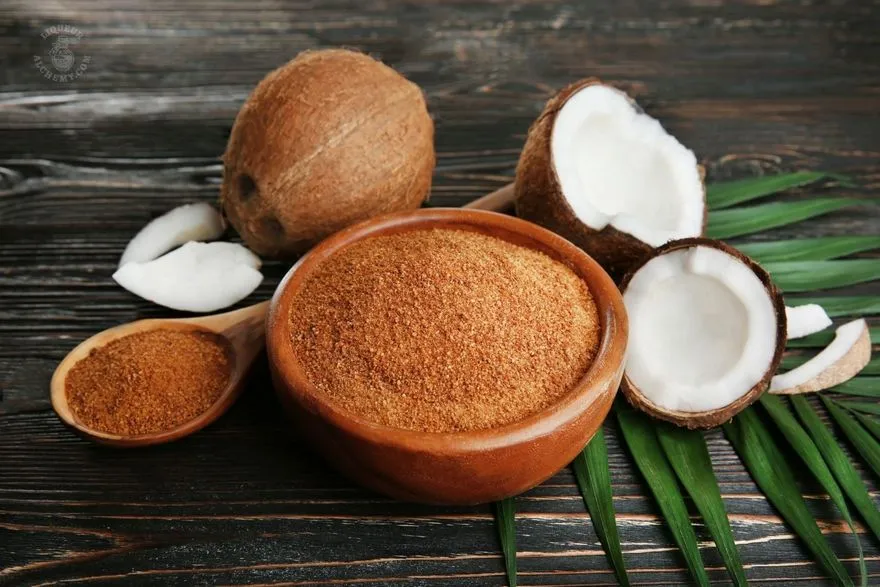
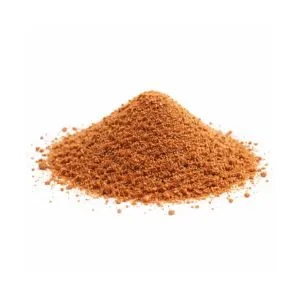
Coconut sugar has toasted caramel and earthy notes that add warmth without heavy molasses. It pairs well with tropical fruits and citrus while keeping profiles open. Dissolve into syrup, sweeten gradually, and rest 1–3 weeks. Filter fine sediment if present.

Coconut Sugar

Home / Ingredients / Sugars & Sweeteners / Coconut Sugar

Coconut Sugar Flavor Profile

toasty, earthy, caramel, nutty
Coconut Sugar Impact on Liqueurs

Adds warmth and depth while keeping fruit profiles bright.

How to Use Coconut Sugar?

Make syrup and strain; sweeten in stages and rest.

Coconut Sugar Pairing Suggestions

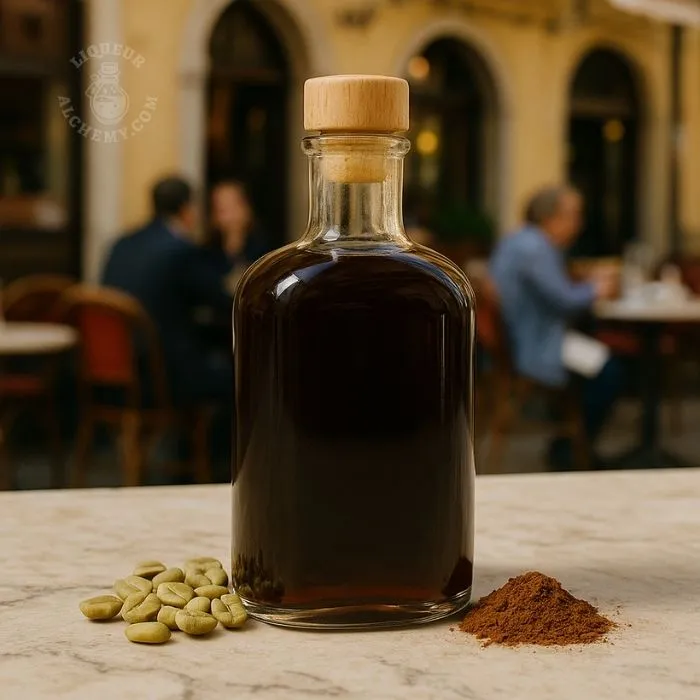
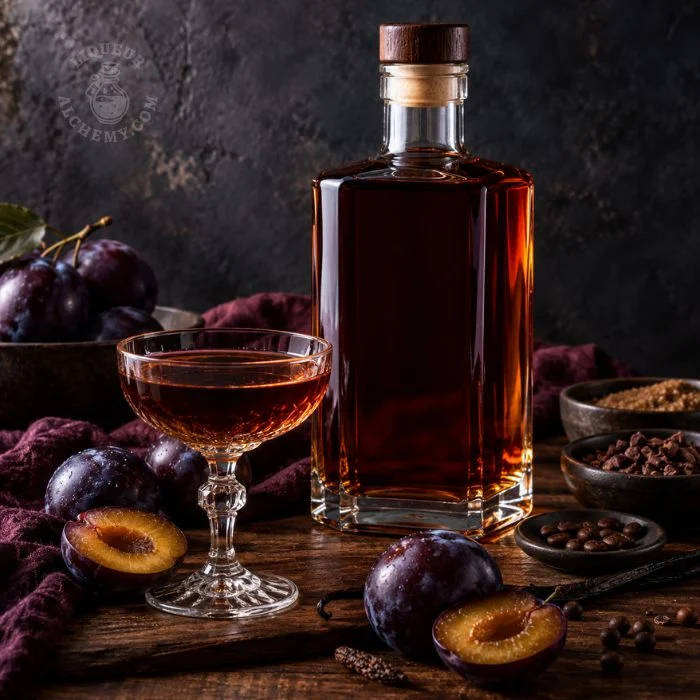
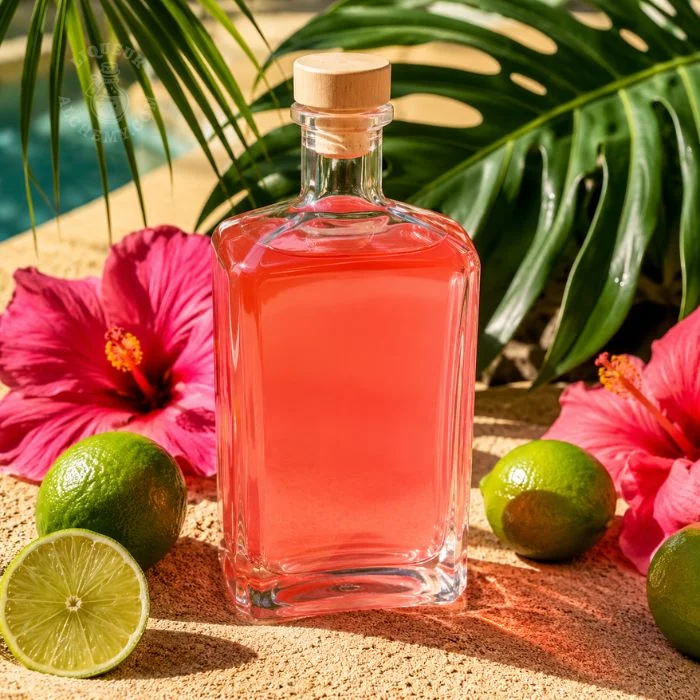
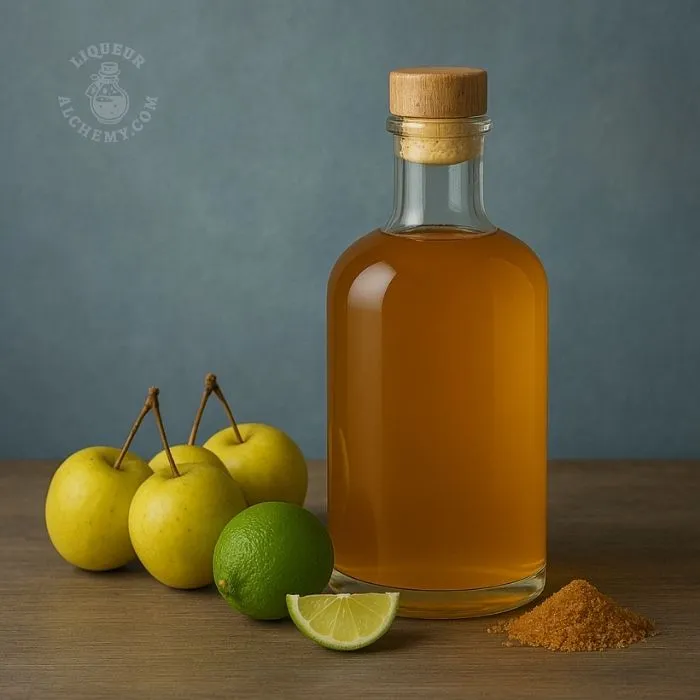
Rum, Coconut, Vanilla, Banana, Cacao, Coffee, Cinnamon, Lime
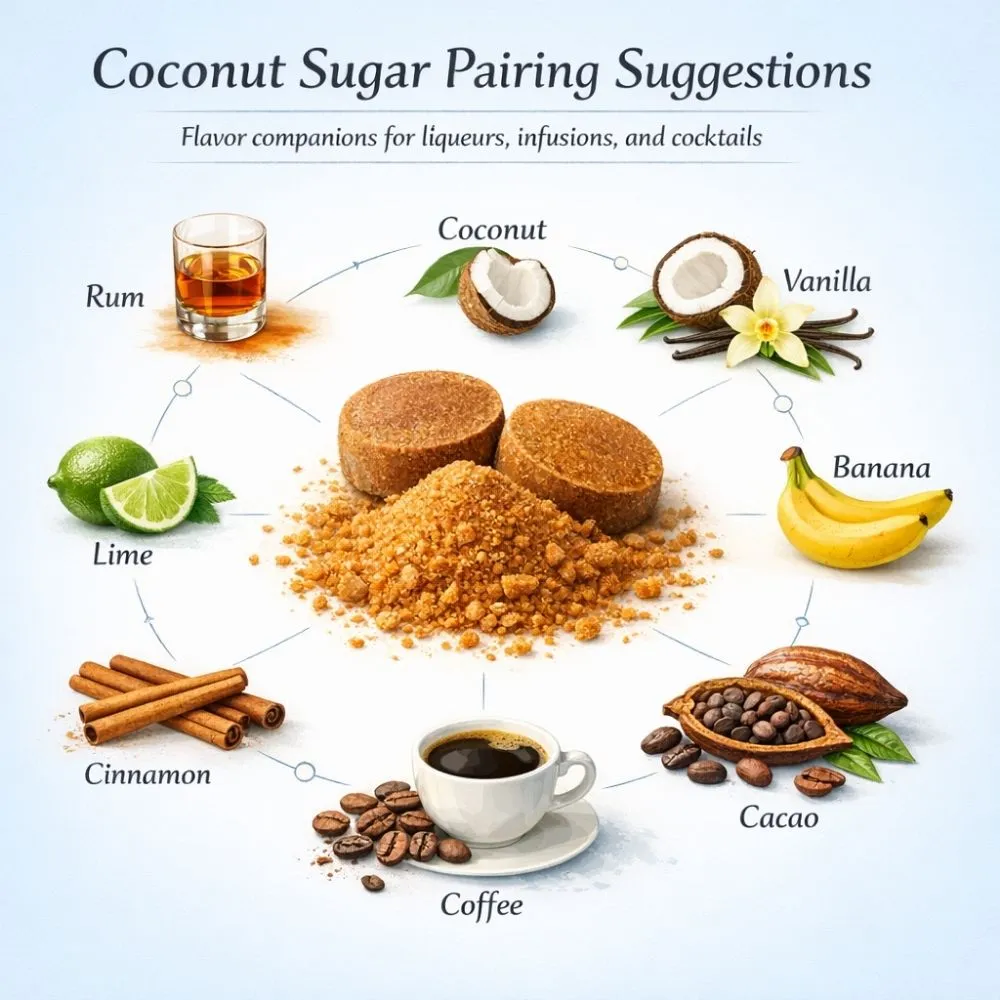
Coconut Sugar pairing suggestions for liqueur making

Coconut Sugar FAQ


Coconut sugar adds a gentle caramel-toffee note with a slightly earthy finish. It’s less “molasses heavy” than muscovado, but more characterful than white sugar.

It works best with tropical fruits (mango, pineapple, banana), warm spices (cinnamon, cardamom), coffee, and nutty flavors. For delicate berries and florals, it can flatten brightness if used as the only sweetener.

Common mistake: expecting a coconut taste. Coconut sugar doesn’t taste like coconut—it tastes like caramelized sugar with a hint of earthiness.

Yes, it helps a lot. Coconut sugar can clump and dissolve unevenly in high-proof alcohol. A syrup gives uniform sweetness and can be strained if there are fine particles.

Make a 1:1 syrup by weight, warm gently until dissolved, cool fully, then dose in increments. Let the liqueur rest a few days—coconut sugar’s caramel note integrates and smooths out after resting.

Common mistake: adding dry coconut sugar and tasting too early. Undissolved clumps lead to “not sweet enough” decisions that become “way too sweet” later.

Using coconut sugar in liqueur extraction offers several benefits, including its low glycemic index, which makes it a healthier alternative to refined sugars. This can appeal to health-conscious consumers looking for craft liqueurs with natural ingredients. Its unique flavor adds complexity to the liqueur, setting it apart from others on the market.

Coconut sugar also contains trace minerals and vitamins, which can contribute to a richer mouthfeel and overall depth of flavor in your liqueur. This can enhance the drinking experience, making it more enjoyable for your customers. The natural caramel notes can complement various botanicals and spices, creating a harmonious blend.

Moreover, its ability to blend seamlessly with other ingredients makes it versatile for different liqueur recipes. Whether you're crafting a tropical infusion or a spiced liqueur, coconut sugar can elevate the final product, making it a valuable addition to your liqueur-making toolkit.

Yes, honey can be used as a substitute for coconut sugar in liqueur making. However, since honey is a liquid sweetener, you'll need to adjust the other liquid ingredients in your recipe to maintain the desired consistency.

When substituting, use about ¾ cup of honey for every cup of coconut sugar. This ratio helps to balance the sweetness and flavor, ensuring your liqueur remains enjoyable. Keep in mind that honey has its own distinct flavor, which may alter the final taste of your liqueur.

Additionally, consider the type of honey you use, as different varieties can impart unique flavors. Experiment with different honeys to find the one that complements your liqueur best.

The recommended dosage of coconut sugar typically ranges from 1 to 2 cups per gallon of liquid. This amount can vary depending on the base ingredients and the desired sweetness level of the final product. It's essential to start with a smaller amount and adjust based on taste.

When measuring, consider the specific characteristics of coconut sugar, as it is less sweet than refined sugar. This means you might need to experiment to find the perfect balance for your liqueur. Remember that the sugar will also contribute to the mouthfeel and texture of the final product.

Always taste your mixture as you go, allowing for adjustments in dosage. This iterative process will help you achieve a liqueur that meets your flavor expectations while utilizing the unique qualities of coconut sugar.
Coconut Sugar
Coconut Sugar in Liqueur Crafting

More Sugars & Sweeteners


RELATED RECIPES OF LIQUEUR ALCHEMY


Explore more creations from Liqueur Alchemy that share similar flavours, techniques, or ingredients. These related recipes offer fresh ideas and inspired combinations to help you craft your next bold, homemade spirit.

LIQUEUR ALCHEMY TOOLS & RESOURCES


Design labels in minutes—beautiful, practical, and ready to print. Choose a tool below to generate bottle or ingredient labels that match your Liqueur Alchemy workflow.
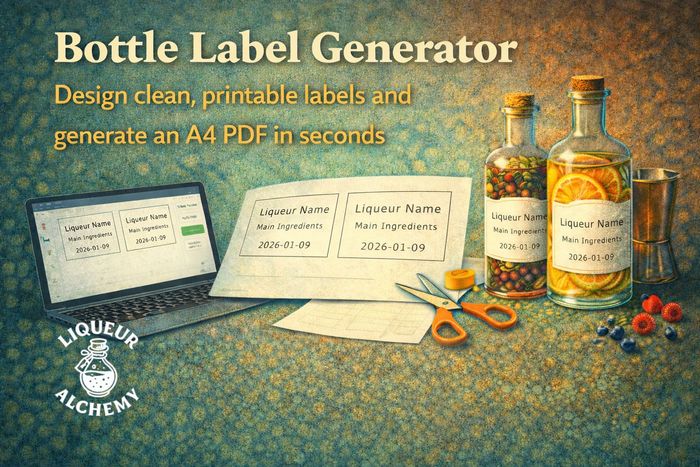
Bottle Label Generator preview

Bottle Label Generator

Create clean bottle labels with your liqueur name, batch details, date — ready for printing and gifting.
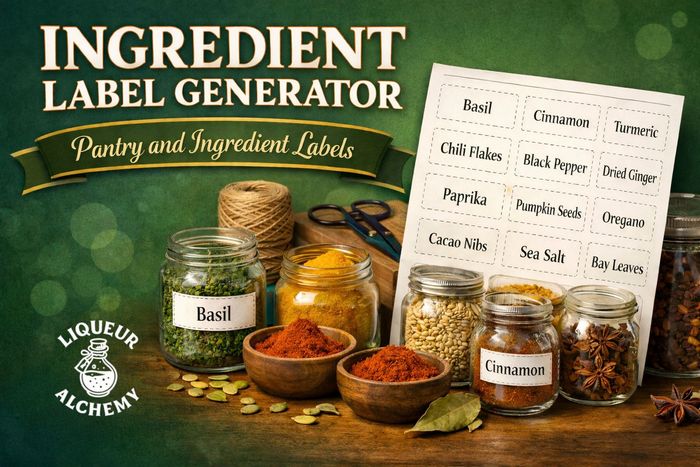
Ingredient Label Generator preview

Ingredient Label Generator

Label jars, containers, and storage bags to maintain clear organization from preparation through infusion and serving.
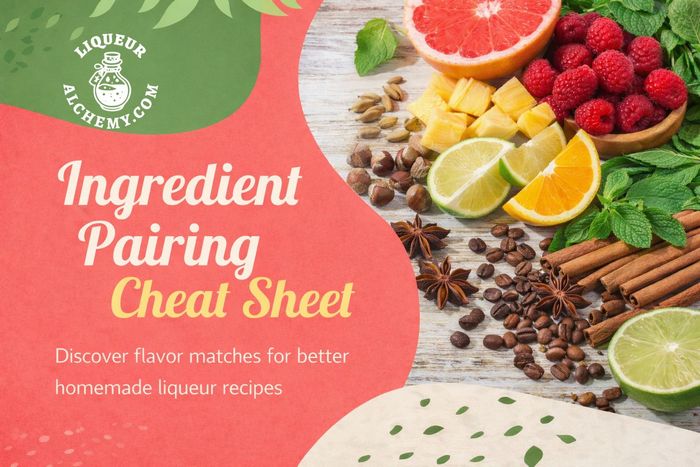
Ingredient pairing cheat sheet for creating balanced homemade liqueurs

Ingredient Pairing Cheat Sheet

Discover flavor combinations that create balanced, complex, and unique homemade liqueurs.