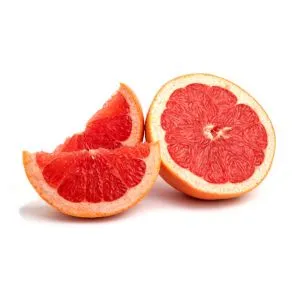
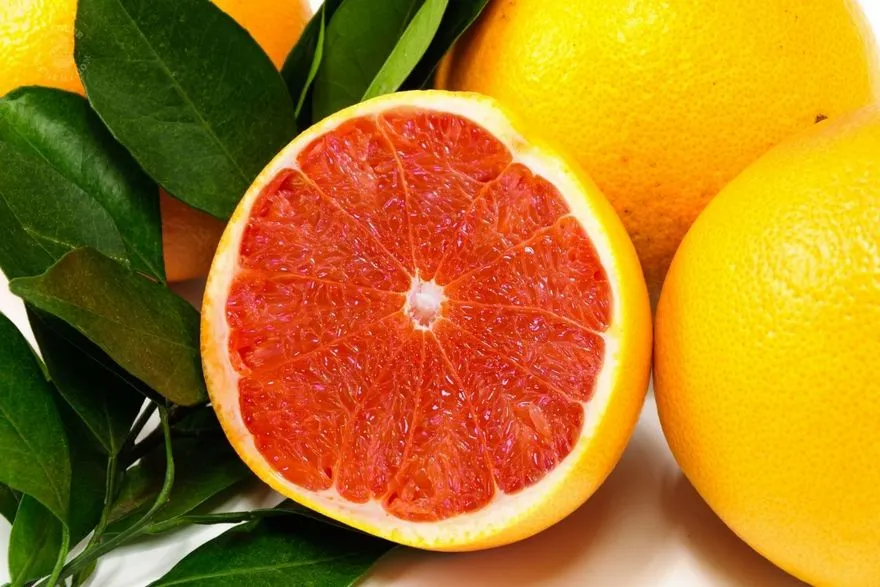
Grapefruit

Grapefruit for Liqueur Infusions – Flavor & Pairing Tips

Grapefruit contributes bold citrus character with both bitterness and sweetness. Its zest and juice infuse liqueurs with aromatic depth, cutting through heaviness and bringing a clean, sophisticated finish.

Grapefruit

Home / Ingredients / Fruits / Grapefruit

Grapefruit Flavor Profile

Juicy citrus aroma, bitter-sweet tang, zesty and aromatic.

Grapefruit Impact on Liqueurs

Adds refreshing bitterness and brightness; balances sweet or herbal liqueurs.

How to Use Grapefruit?

Use zest only (no pith); peel from 2–3 fruits per 1 L. Infuse 5–10 days.

Grapefruit Pairing Suggestions

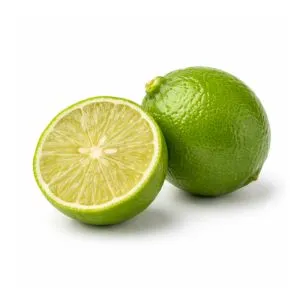
Vodka, Cane Sugar, Orange, Lime, Rosemary, Honey, Ginger, Mint
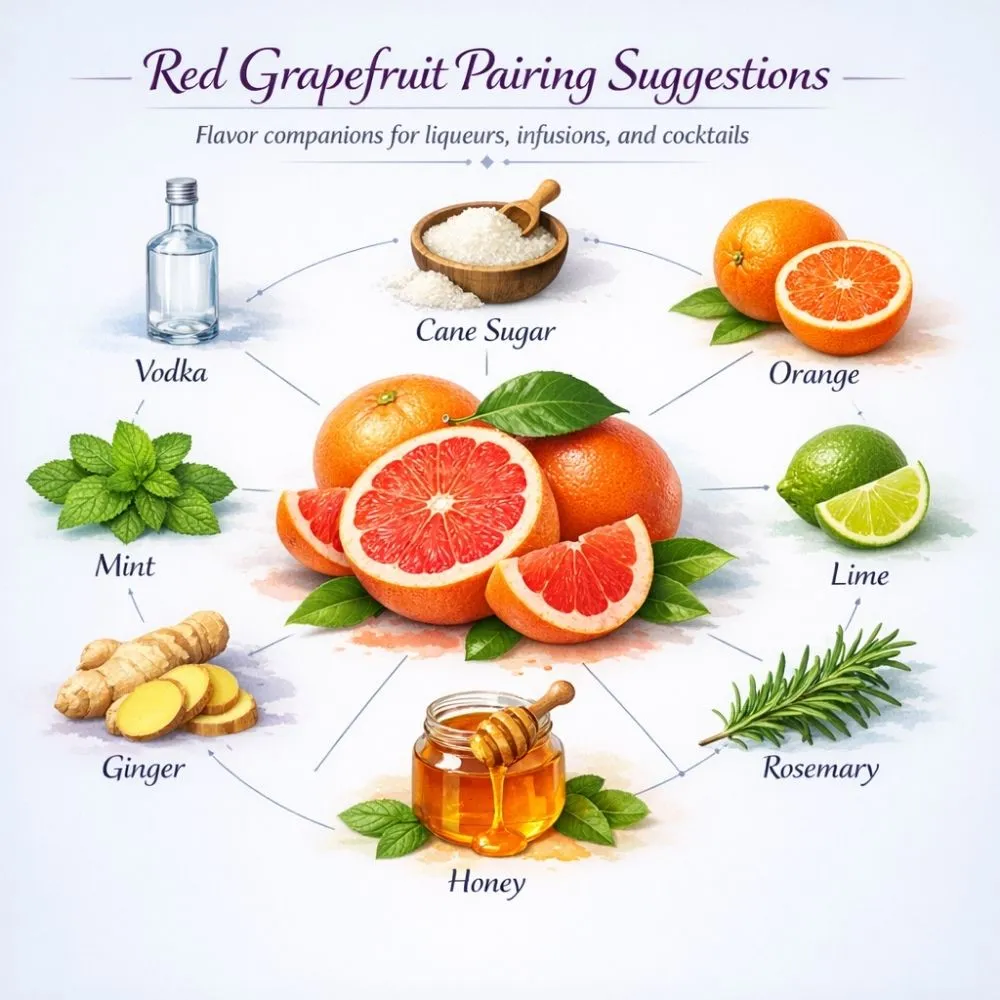
Grapefruit pairing suggestions for liqueur making

Grapefruit FAQ


Grapefruit bitterness comes from pith and from over-long peel contact. The aromatic oils you want are in the colored zest; the white pith below it extracts harsh bitterness quickly in alcohol.

Use a peeler to remove only the colored outer zest in thin strips, avoiding pith. Taste early—grapefruit oils can peak fast, often within 1–5 days depending on peel thickness and spirit strength.

If bitterness appears, strain immediately and balance with sweetness and rest. For a deliberate bitter style, build bitterness slowly with small peel additions and blending rather than long maceration with thick peel.

Pomelo is the closest substitute, usually less bitter and more floral, though it extracts a little differently. A blend of orange zest with a small amount of lemon zest can also mimic grapefruit-like brightness if pomelo isn’t available.

If you’re chasing grapefruit’s bitter edge, add a tiny amount of bitter orange peel—carefully dosed—rather than over-infusing lemon or orange peel.

Substitution is best done by blending. Build a bright citrus base first, then add bitterness in small steps until it feels grapefruit-like without harsh pith bitterness.

Several factors influence the extraction behavior of grapefruit in liqueur production, including the extraction method, temperature, and time. Different methods, such as cold maceration or heat infusion, can yield varying flavor profiles. Cold methods tend to maintain the fruit's brightness, while heat can intensify certain flavors but may also introduce bitterness.

The temperature during extraction plays a crucial role as well. Higher temperatures can accelerate the extraction process but may also lead to the loss of delicate aromatic compounds. Therefore, maintaining a lower temperature is often recommended to capture the full essence of grapefruit without compromising its flavor integrity.

Lastly, the ripeness and variety of grapefruit used can affect the extraction outcome. Ripe grapefruits with a high juice content will release more flavor, while the specific variety can contribute unique notes to the final liqueur. Experimenting with different grapefruits can lead to exciting and diverse flavor experiences.

Yes, you can replace grapefruit with other fruits like tangerines or blood oranges. These fruits offer a similar citrus flavor with varying degrees of sweetness and acidity, making them versatile alternatives in liqueur recipes.

Another option is to use passion fruit, which brings a unique tropical twist to your liqueur. While it has a different flavor profile, its tartness can complement the sweetness you might be missing from grapefruit.

Lastly, consider using a blend of citrus fruits, such as lemon and mandarin, to create a complex flavor that can stand in for grapefruit. This approach allows you to capture the bright, zesty notes while adding your personal touch to the liqueur.

The amount of grapefruit to use in liqueur recipes can vary based on personal preference and the desired intensity of flavor. A good starting point is to use the zest of one medium grapefruit for every quart of base spirit. This provides a refreshing citrus note without overpowering the other ingredients.

If you prefer a stronger grapefruit flavor, consider adding the juice of half a grapefruit along with the zest. This will enhance the tartness and add a different dimension to your liqueur. Always taste as you go to ensure the flavor aligns with your vision.

Remember that grapefruit can be quite potent, so it's wise to start with smaller amounts and adjust as needed. The key is to find a balance that complements the other flavors in your liqueur.
Grapefruit
Grapefruit in Liqueur Crafting

More Fruits


RELATED RECIPES OF LIQUEUR ALCHEMY


Explore more creations from Liqueur Alchemy that share similar flavours, techniques, or ingredients. These related recipes offer fresh ideas and inspired combinations to help you craft your next bold, homemade spirit.

LIQUEUR ALCHEMY TOOLS & RESOURCES


Design labels in minutes—beautiful, practical, and ready to print. Choose a tool below to generate bottle or ingredient labels that match your Liqueur Alchemy workflow.
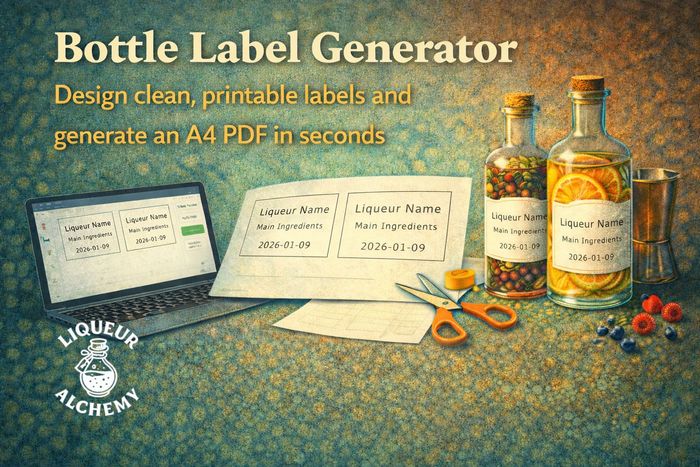
Bottle Label Generator preview

Bottle Label Generator

Create clean bottle labels with your liqueur name, batch details, date — ready for printing and gifting.
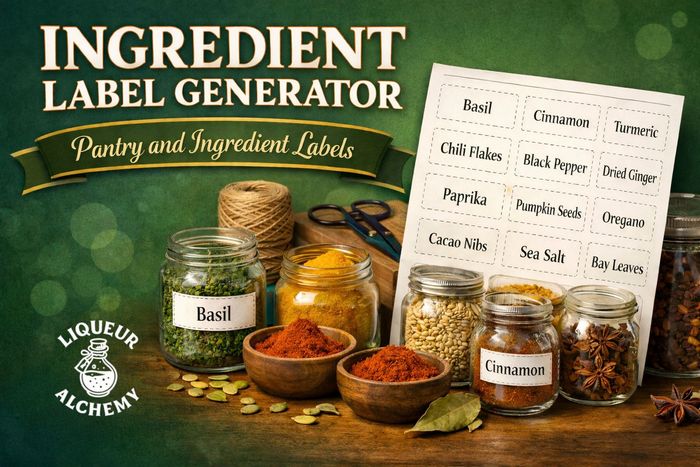
Ingredient Label Generator preview

Ingredient Label Generator

Label jars, containers, and storage bags to maintain clear organization from preparation through infusion and serving.
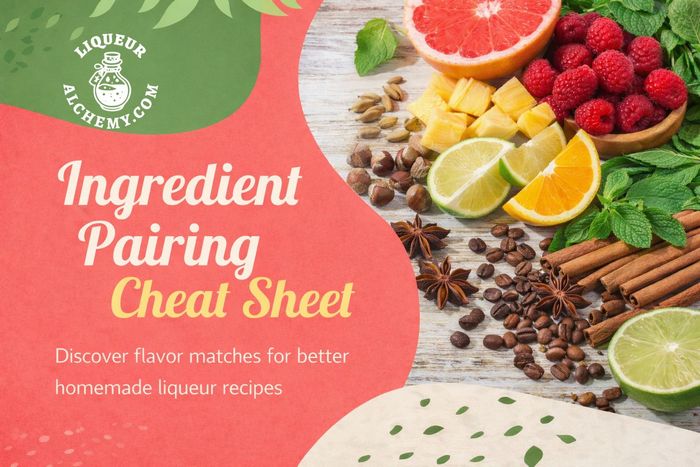
Ingredient pairing cheat sheet for creating balanced homemade liqueurs

Ingredient Pairing Cheat Sheet

Discover flavor combinations that create balanced, complex, and unique homemade liqueurs.