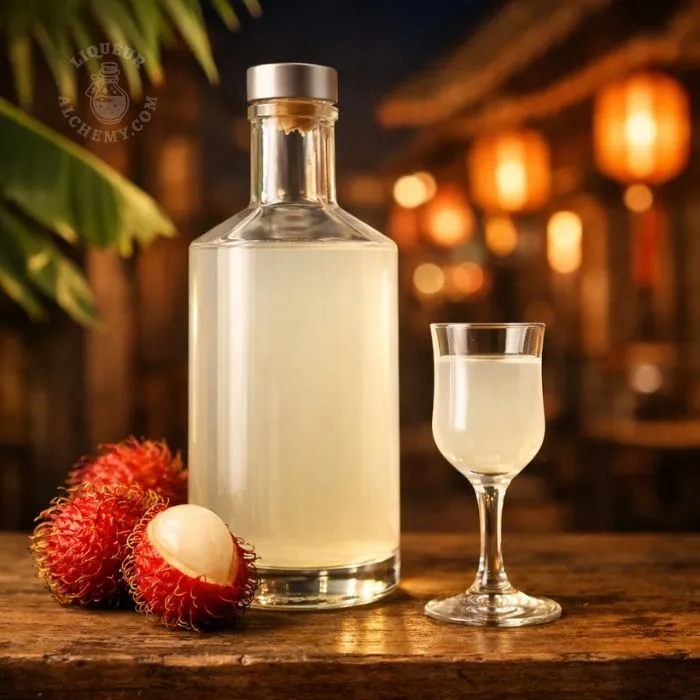
Rambutan

Rambutan in Liqueurs: Tropical Sweetness, Floral Notes, and Balance

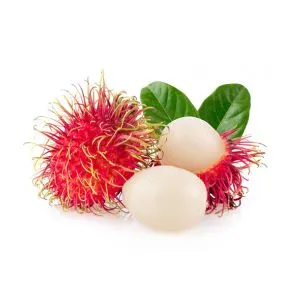
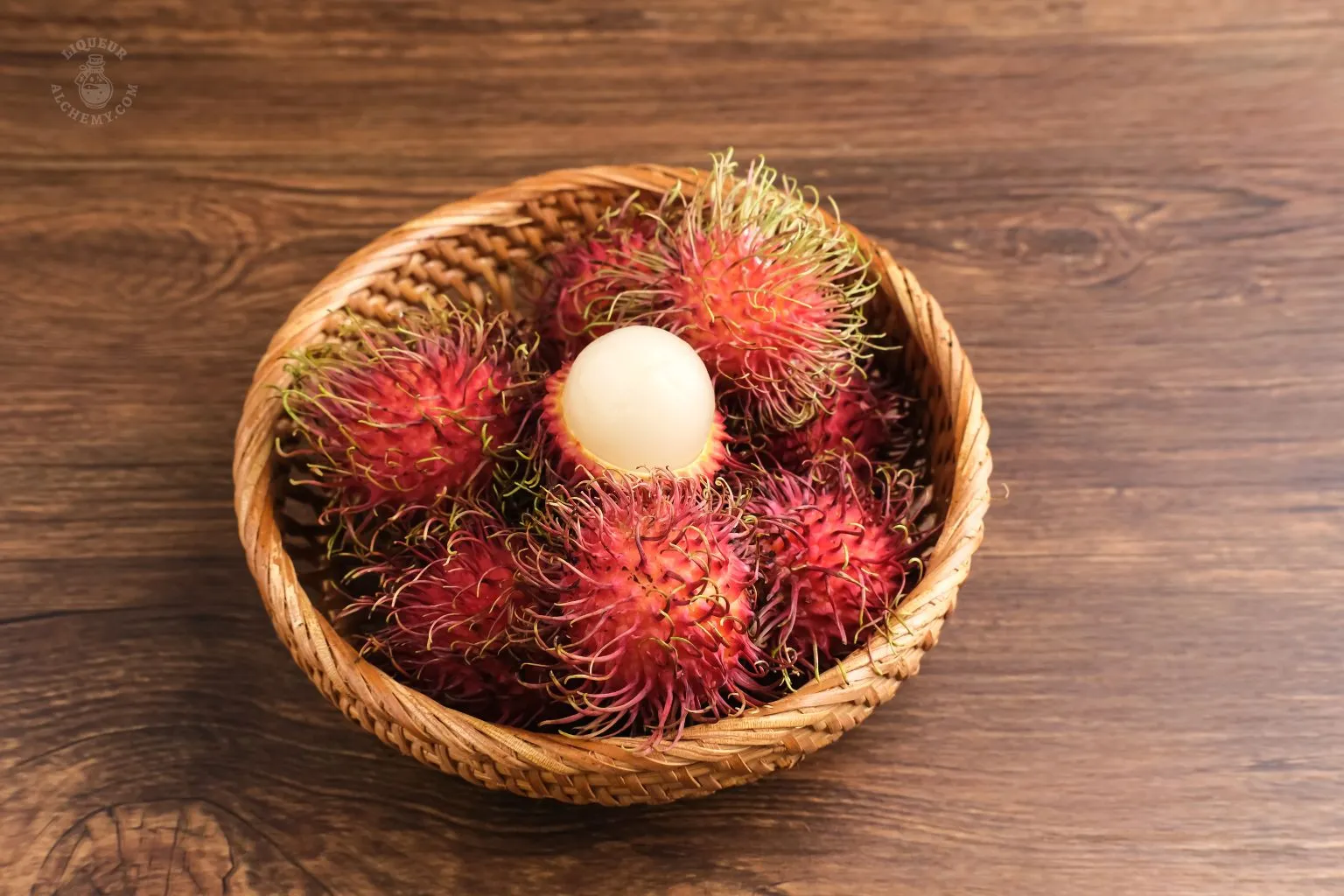
Rambutan is a delicate tropical fruit with juicy sweetness, subtle floral notes, and a lightly creamy texture that enhances liqueurs without overpowering them. Its translucent flesh delivers clean flavor with gentle acidity, making it ideal for bright, refreshing profiles. Because it is mild, it benefits from pairing with aromatic ingredients like citrus zest or spices. Rambutan works best with neutral spirits or light rum, allowing its soft tropical character to shine while adding body and smoothness to the final liqueur.

Rambutan

Home / Ingredients / Fruits / Rambutan

Rambutan Flavor Profile

sweet, floral, juicy, tropical, mildly acidic, soft

Rambutan Impact on Liqueurs

Adds soft tropical sweetness, gentle acidity, and smooth body while keeping liqueurs light and refreshing.

How to Use Rambutan?

Use peeled flesh only. Remove seed completely. Use 400–800 g per 1 L spirit. Infuse 5–14 days, then strain and sweeten gradually to preserve delicate flavor.

Rambutan Pairing Suggestions

Vodka, White Rum, Rice Spirit, Cane Sugar, Honey, Lychee, Lime Zest, Ginger, Vanilla, Coconut
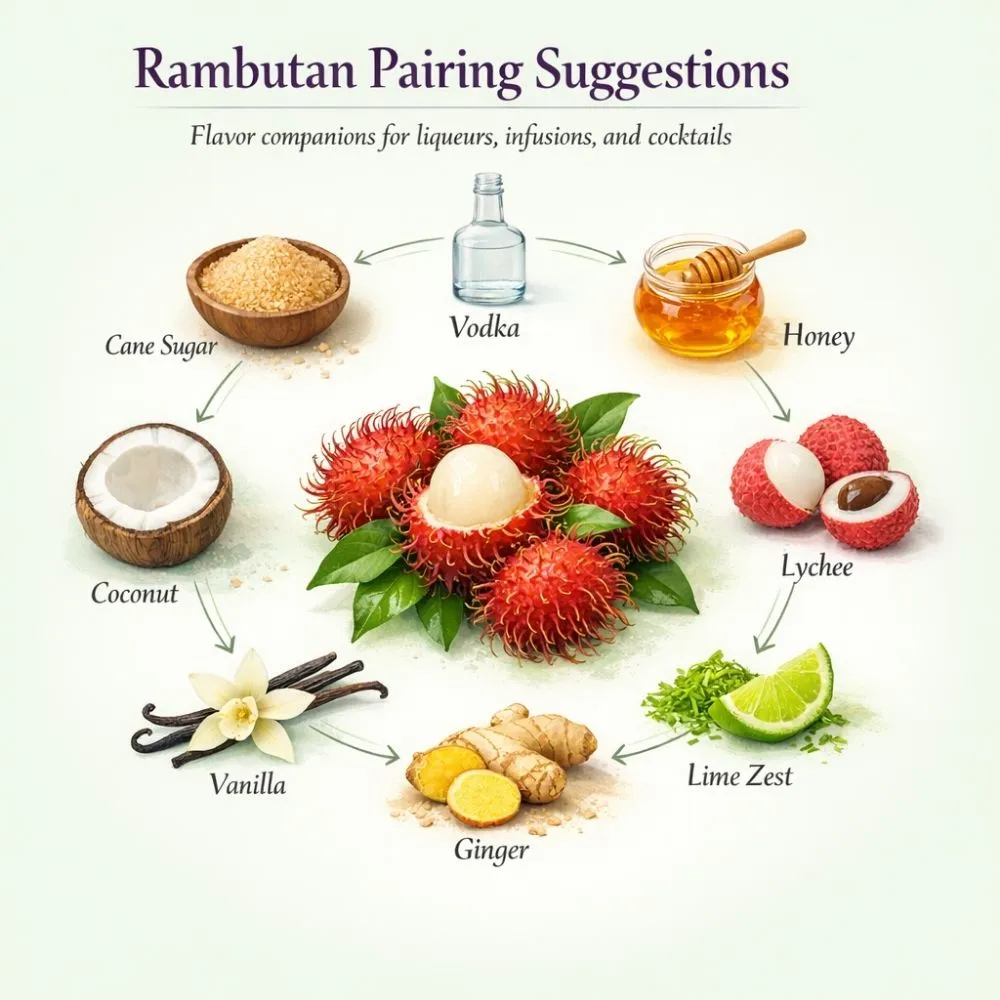
Rambutan pairing suggestions for liqueur making

Rambutan FAQ


Rambutan brings a delicate, juicy, floral-tropical character to liqueurs, but its flavor is much softer than many berries or citrus fruits. For that reason, it works best when the peeled flesh is used fresh, ripe, and in fairly generous quantity compared with the spirit. The fruit should be removed from the shell and seed, then used quickly because the flesh oxidizes and breaks down fast once exposed. A neutral base such as vodka usually gives the cleanest result, while light rum or rice spirit can also work when you want a broader, rounder profile.

Extraction from rambutan is usually gentle rather than aggressive, so long maceration is not always better. A practical starting point is to infuse the fruit for around 5 to 14 days, tasting regularly after the first few days. If left too long, the fresh brightness can fade and the infusion may become dull, watery, or slightly fermented in character. Many makers improve the result by pairing rambutan with supportive notes such as lychee, lime zest, vanilla, ginger, honey, or coconut, which help lift its subtle aroma without overpowering it.

One common mistake is treating rambutan like a strongly aromatic fruit and expecting a very bold result from a small amount. Another is using unripe or refrigerated fruit that has already lost much of its perfume. To prepare it well, peel and deseed just before infusing, avoid bruised fruit, and keep the jar clean and tightly sealed. After infusion, strain promptly and sweeten carefully, because too much sugar can flatten the fruit instead of enhancing it.

View this Ingredient FAQ as a standalone page

Rambutan liqueur can taste weak because the fruit itself has a mild aromatic profile compared with ingredients like citrus peel, pineapple, or berries. Even when the flesh tastes pleasant fresh, its aroma may not transfer strongly into alcohol. If too little fruit is used, the spirit can easily dominate. The result is often a liqueur that smells faintly fruity but lacks a clear signature note on the palate.

Timing and sugar balance also play a big role. If the fruit is infused too briefly, extraction may be incomplete, but if it is left too long, the freshest notes can disappear and the liquid may become washed-out or tired. Over-sweetening is another common issue because sugar can make the liqueur feel richer while actually muting delicate top notes. In some cases, poor fruit quality is the real problem: old, cold-stored, or underripe rambutan often gives a bland result before the infusion even starts.

To fix this, start with fully ripe fruit, use a neutral spirit, and increase the fruit-to-spirit ratio rather than extending the infusion too far. Taste frequently and strain once the best point is reached. You can also sharpen the profile with a small amount of lime zest or reinforce the tropical character with lychee, vanilla, or a touch of ginger. Store the finished bottle away from heat and light, and allow a short rest after sweetening so the flavors settle without losing freshness.

View this Ingredient FAQ as a standalone page

Using lychee instead of rambutan typically results in a more aromatic and pronounced liqueur. Lychee has stronger floral and slightly perfumed notes, which can dominate the profile if not carefully balanced.

Longan produces a more subdued but richer result. It brings a honeyed, slightly caramel-like sweetness that gives the liqueur more body and depth compared to rambutan.

The choice between these substitutes depends on the desired style. Lychee suits bright, expressive liqueurs, while longan is better for smooth, rounded profiles. Adjusting sweetness and spice levels may be necessary to maintain balance.

Rambutan does not necessarily need a longer infusion time, but its high water content affects how the extraction feels over time. Typically, the main flavor compounds are released within 5 to 10 days, similar to other fresh fruits. However, because the flavor is mild, it can give the impression that more time is needed.

Extending the infusion beyond this range does not significantly increase flavor intensity. Instead, it often leads to dilution and a slightly flat or muted taste. The alcohol gradually absorbs water from the fruit, which can reduce perceived strength and clarity.

The best approach is to monitor the infusion closely and taste regularly. Once the liqueur reaches a clean, lightly tropical profile, it should be strained. Additional complexity can then be introduced through sweetening, blending, or layering with complementary ingredients rather than extending maceration time.

Rambutan should generally be infused for 5 to 10 days. Within this period, the fruit releases its primary flavor compounds without excessive dilution.

After this point, extended infusion can cause the liqueur to lose clarity and become slightly dull or watery. The alcohol continues to absorb water from the fruit, reducing intensity.

Frequent tasting is key. Once the desired flavor is reached, the fruit should be removed to preserve freshness and avoid degradation.
Rambutan
Rambutan in Liqueur Crafting

More Fruits


RELATED RECIPES OF LIQUEUR ALCHEMY


Explore more creations from Liqueur Alchemy that share similar flavours, techniques, or ingredients. These related recipes offer fresh ideas and inspired combinations to help you craft your next bold, homemade spirit.

LIQUEUR ALCHEMY TOOLS & RESOURCES


Design labels in minutes—beautiful, practical, and ready to print. Choose a tool below to generate bottle or ingredient labels that match your Liqueur Alchemy workflow.
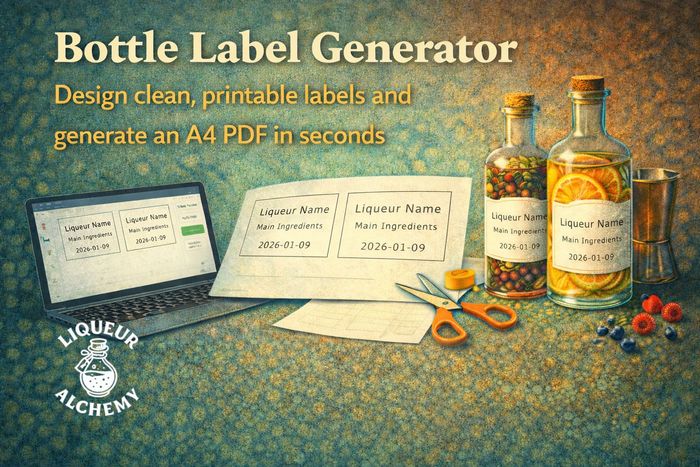
Bottle Label Generator preview

Bottle Label Generator

Create clean bottle labels with your liqueur name, batch details, date — ready for printing and gifting.
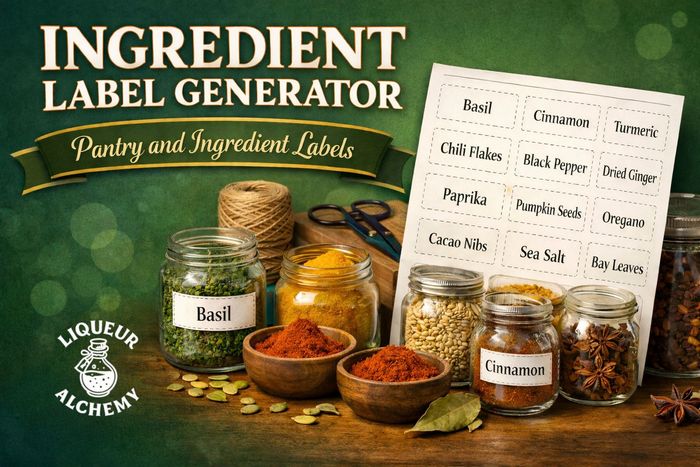
Ingredient Label Generator preview

Ingredient Label Generator

Label jars, containers, and storage bags to maintain clear organization from preparation through infusion and serving.
Ingredient pairing cheat sheet for creating balanced homemade liqueurs

Ingredient Pairing Cheat Sheet

Discover flavor combinations that create balanced, complex, and unique homemade liqueurs.