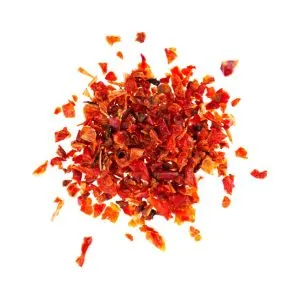
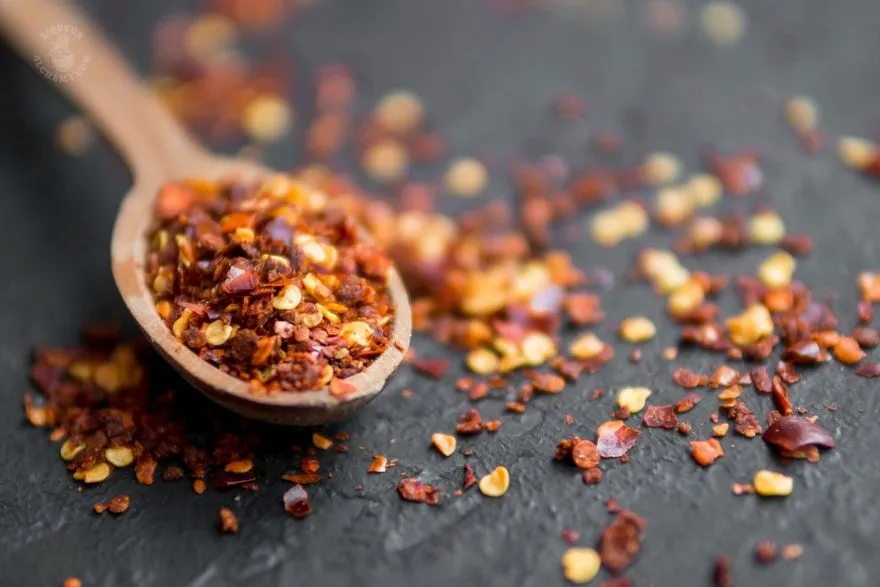
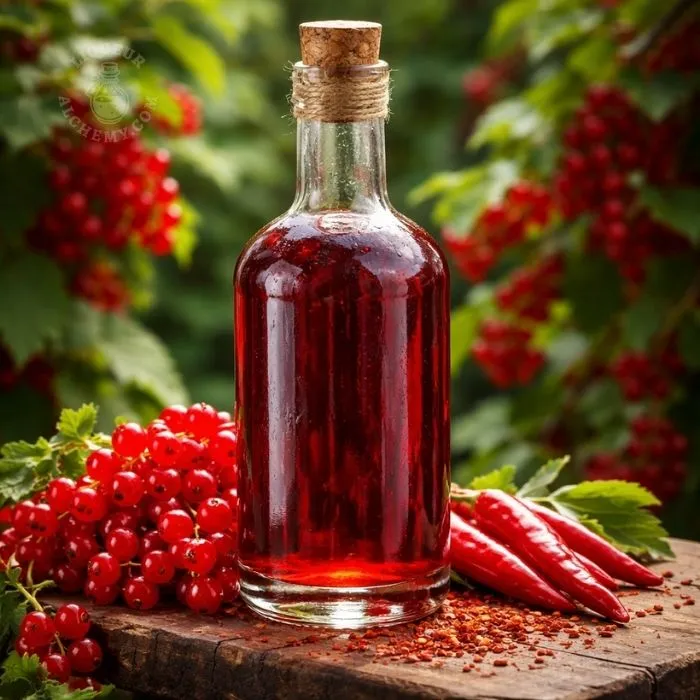
Chili (Flakes)

Chili (Flakes) for Liqueur Infusions – Flavor & Pairing Tips

Chili flakes bring lively heat and rich aroma to liqueurs. Their fiery essence excites the palate, creating contrast and depth in both sweet and savory blends. When infused carefully, they provide a subtle tingling warmth that amplifies fruit and spice flavors without overpowering them. The result is a vibrant, stimulating liqueur that leaves a lasting impression of spice and balance.

Chili (Flakes)

Home / Ingredients / Spices & Aromatics / Chili (Flakes)

Chili (Flakes) Flavor Profile

Direct chili heat with mild smokiness and peppery bite.

Chili (Flakes) Impact on Liqueurs

Adds controlled heat and excitement; enhances fruit and chocolate flavors when balanced.

How to Use Chili (Flakes)?

Use sparingly; 0.5–1 tsp per 1 L. Infuse 1–5 days in vodka or rum; strain early.

Chili (Flakes) Pairing Suggestions

Vodka, Cane Sugar, Chocolate, Cinnamon, Mango, Pineapple, Honey, Lime
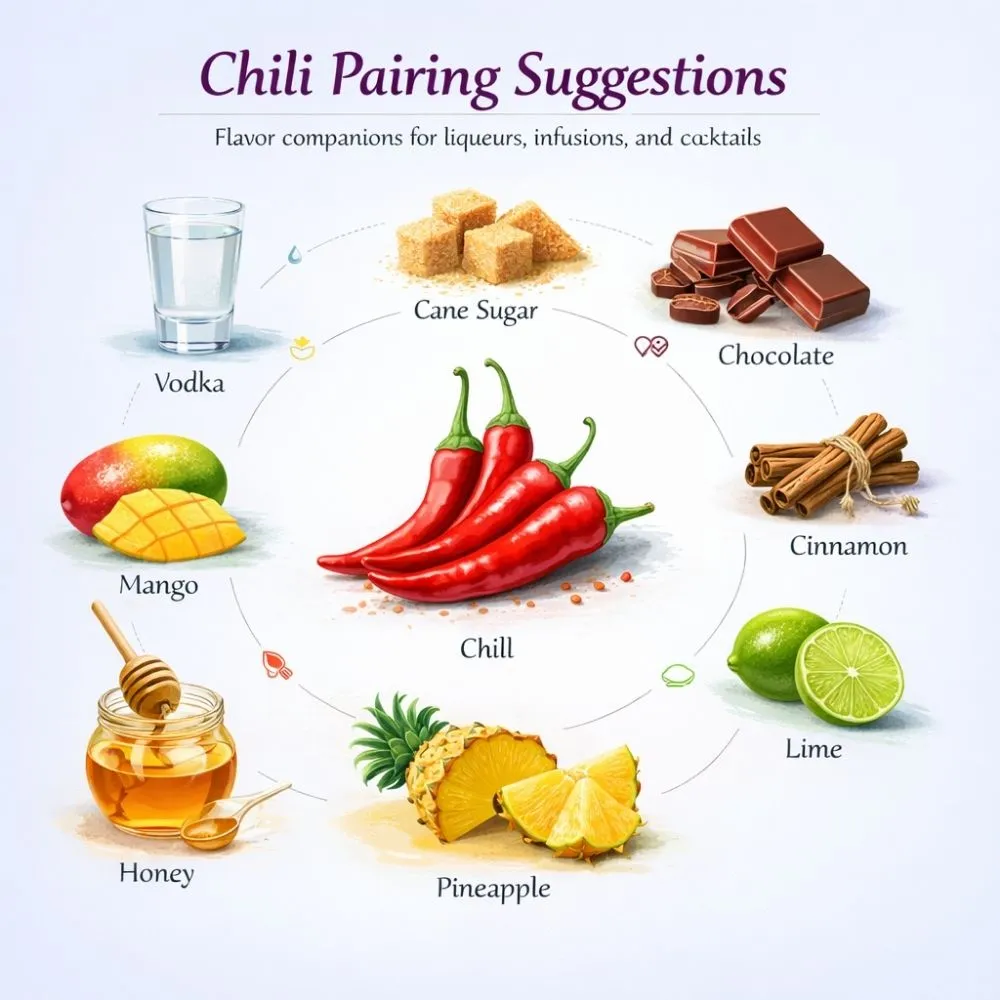
Chili (Flakes) pairing suggestions for liqueur making

Chili (Flakes) FAQ


Chili flakes extract heat and bitterness fast, so short contact is the rule. Use 40–50% ABV and start with ¼–½ tsp per liter, tasting at 30 minutes and then every 30–60 minutes. Many liqueurs only need 1–6 hours of contact; days-long steeps often turn bitter and dusty.

For control, make a chili tincture: steep flakes in high-proof alcohol (60–75% ABV) for a few hours, strain, then dose your liqueur drop-by-drop. That lets you hit a “warm finish” without wrecking a batch. Pair heat with sweetness and citrus—those buffers make chili feel round instead of aggressive.

Common mistakes include using too much, shaking daily, and leaving flakes loose (hard filtration). Flavor impact should be a clean, lingering warmth that supports fruit, not a peppery bitterness. Store airtight and dark; chili heat can integrate and feel stronger after resting, so aim slightly lighter at bottling.

Chili variability is huge, so consistency comes from using a standardized concentrate. Make a tincture with a fixed ratio (for example, a set weight of flakes per 100 ml of high-proof alcohol), steep for a fixed time, then strain. Label the tincture and dose your liqueur in measured drops or milliliters per liter.

Always dose after you’ve sweetened to roughly the final level, because sweetness changes how heat is perceived. Add, stir, wait 10 minutes, taste again—heat “blooms” a little with time. Keep notes: ml tincture per liter, base spirit, sugar level, and resting time.

Common mistakes include dosing directly with flakes (unrepeatable), tasting immediately after shaking (inaccurate), and changing chili brands without adjusting. Flavor impact should be predictable warmth. Store tincture dark and cool; it’s stable and makes future batches much easier.

The extraction behavior of chili flakes is influenced by several factors, including the type of alcohol used and its proof. Higher proof spirits tend to extract flavors and compounds more efficiently, resulting in a more robust infusion. Temperature also plays a significant role; warmer temperatures can accelerate the extraction process but may also lead to unwanted bitterness if overdone.

Another crucial factor is the size of the chili flakes. Finer flakes expose more surface area to the alcohol, which can enhance extraction speed and intensity. Conversely, larger flakes may require longer infusion times to achieve similar flavor profiles.

Lastly, the duration of the infusion is vital. A quick infusion can yield a subtle flavor, while extended periods can intensify the heat and complexity. It’s essential to taste periodically to find the perfect balance for your liqueur.

The amount of chili flakes you use can significantly impact the final flavor of your liqueur. A general guideline is to start with one teaspoon of chili flakes per quart of liquid. This amount provides a subtle kick without overwhelming the other flavors.

If you prefer a spicier profile, you can gradually increase the dosage, but be cautious. It's easier to add more than to remove excess heat. Always taste your infusion regularly to find the perfect balance for your palate.

Remember, the type of chili flakes can also influence the flavor. Experiment with different varieties to discover unique profiles that suit your liqueur creation.

Yes, you can replace chili flakes with fresh chili peppers in your liqueur recipes. Fresh peppers will provide a different texture and a more vibrant flavor. Use about three times the amount of fresh chili to achieve a similar heat level.

When using fresh chili, be sure to remove the seeds if you prefer a milder flavor. The seeds can add extra heat, so adjust according to your taste preference. Additionally, finely chopping the fresh chili will help release its oils and flavors more effectively.

Keep in mind that fresh chili peppers may alter the overall infusion time. You might need to experiment with steeping times to achieve the desired flavor without overpowering the liqueur.
Chili (Flakes)
Chili (Flakes) in Liqueur Crafting

More Spices & Aromatics


RELATED RECIPES OF LIQUEUR ALCHEMY


Explore more creations from Liqueur Alchemy that share similar flavours, techniques, or ingredients. These related recipes offer fresh ideas and inspired combinations to help you craft your next bold, homemade spirit.

LIQUEUR ALCHEMY TOOLS & RESOURCES


Design labels in minutes—beautiful, practical, and ready to print. Choose a tool below to generate bottle or ingredient labels that match your Liqueur Alchemy workflow.
Bottle Label Generator preview

Bottle Label Generator

Create clean bottle labels with your liqueur name, batch details, date — ready for printing and gifting.
Ingredient Label Generator preview

Ingredient Label Generator

Label jars, containers, and storage bags to maintain clear organization from preparation through infusion and serving.

Ingredient pairing cheat sheet for creating balanced homemade liqueurs

Ingredient Pairing Cheat Sheet

Discover flavor combinations that create balanced, complex, and unique homemade liqueurs.