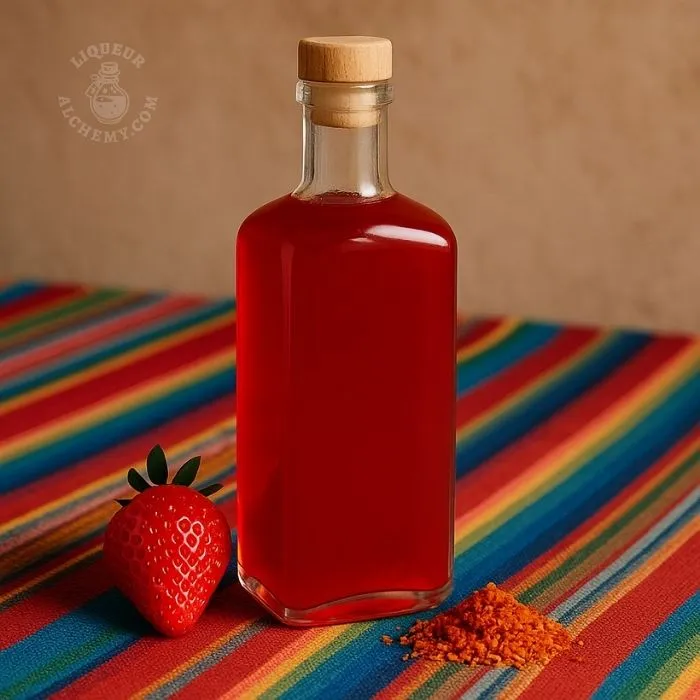
Tajin

Tajin for Liqueur Infusions – Flavor & Pairing Tips

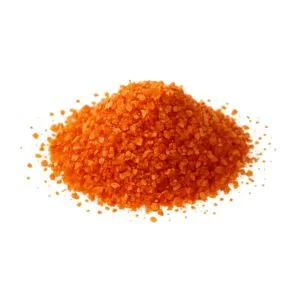
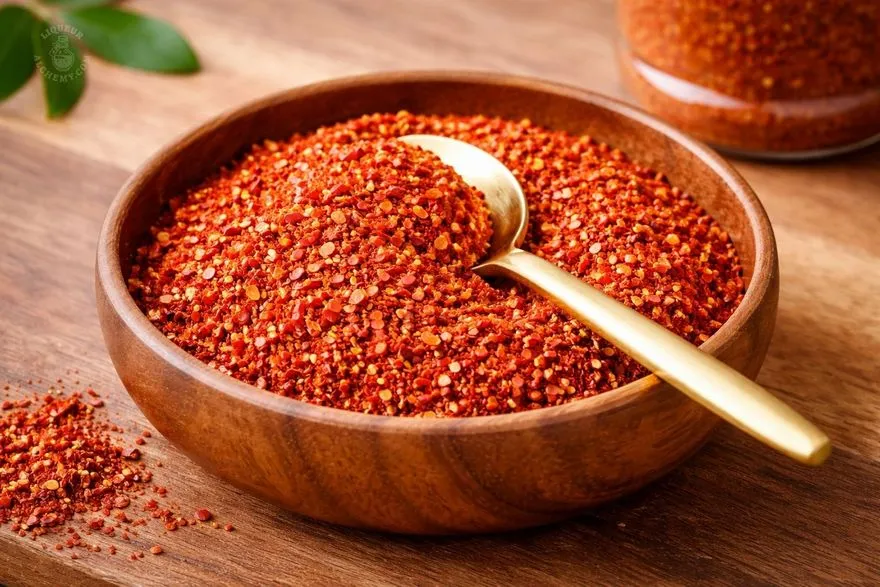
Tajin combines chili, lime, and salt into a dynamic blend that brings zest, spice, and tang to liqueurs. It adds a lively kick that balances sweetness with savory depth, perfect for tropical or citrus-based infusions. The chili delivers gentle heat, while lime brightens and salt enhances the finish. Used sparingly, Tajin transforms ordinary spirits into bold, flavorful creations bursting with character and fun.

Tajin

Home / Ingredients / Spices & Aromatics / Tajin

Tajin Flavor Profile

Tangy chili-lime seasoning with salt and mild heat.
Tajin Impact on Liqueurs

Adds playful savory-sour heat; best for experimental liqueurs.

How to Use Tajin?

Use sparingly; 0.5–1 tsp per 1 L. Infuse 1–3 days in vodka.

Tajin Pairing Suggestions

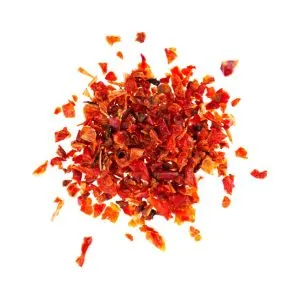
Tequila, Cane Sugar, Lime, Chili, Orange, Grapefruit, Mango, Salt
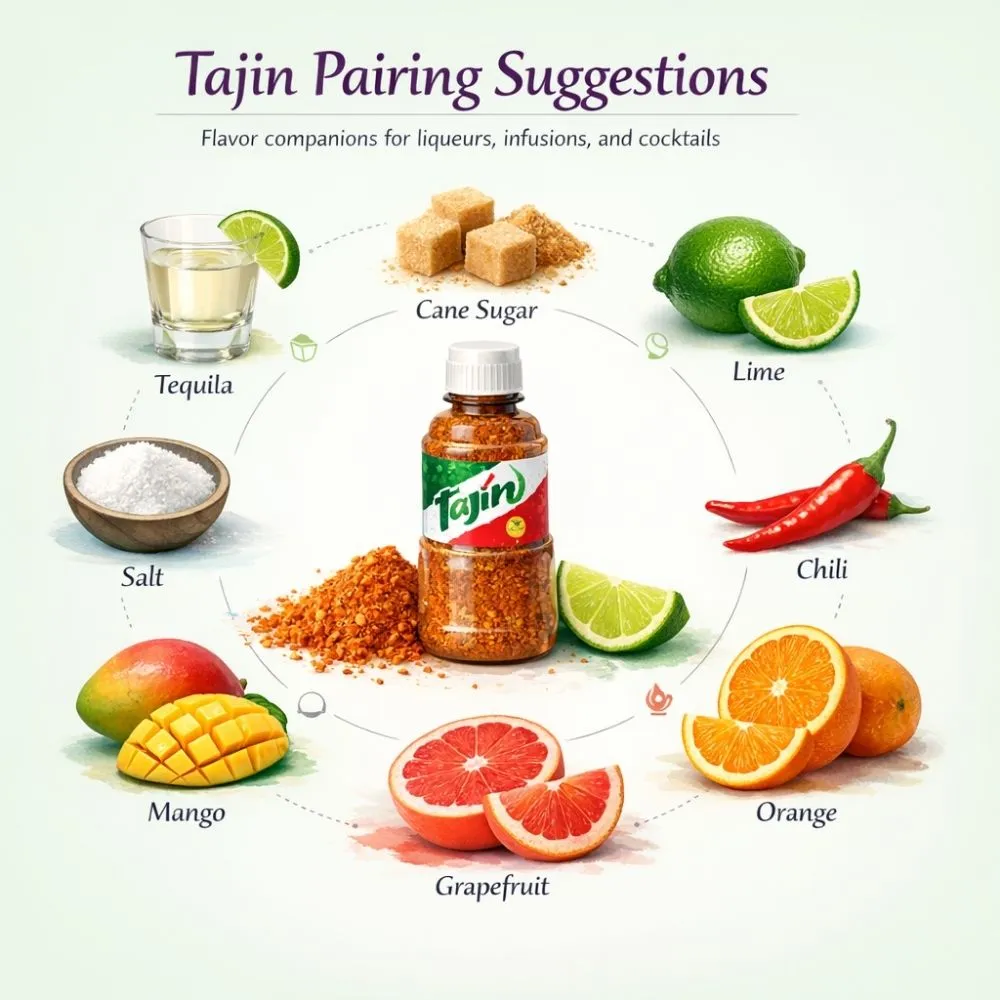
Tajin pairing suggestions for liqueur making

Tajin FAQ


Tajín is mostly salt + chili + dehydrated lime, so it doesn’t behave like a clean spice infusion—if you dump it in, you’ll get sediment, haze, and a savory edge. The cleaner method is to extract the aromatic fraction first: steep a small amount very briefly in high-proof alcohol (50–60% ABV) and then filter, or better, infuse the components separately (dried lime peel + mild chili) and add salt as a controlled final adjustment.

Timing and dosage: if you do a Tajín test infusion, start with ½–1 tsp per liter and steep only 30–120 minutes, tasting often. Strain through fine paper and let it settle overnight before decanting. For most liqueurs, you’ll get a better result by using a citrus peel infusion plus a chili tincture, then blending until it tastes “Tajín-adjacent” without the grit.

Common mistakes are long steeps (bitter, salty), using lots of powder (impossible filtration), and adding it before sweetening (hard to balance). Flavor impact should be zesty-salty heat that makes fruit pop—especially mango, pineapple, or grapefruit. Store airtight; Tajín-style profiles can taste sharper as they sit, so aim slightly lighter at bottling.

View this Ingredient FAQ as a standalone page

Best pairings are naturally sweet, tropical fruits that like acid and heat: mango, pineapple, papaya, watermelon, and ripe stone fruits. Citrus-heavy fruits (grapefruit, pomelo) can also work if you keep bitterness under control. Use a clean base (vodka or light rum) so the lime-chili profile stays crisp.

Avoid delicate floral fruits where salt and chili bulldoze the aroma—think lychee, white peach, or light grapes unless you go extremely gentle. Also avoid long chili soaks with flakes; they can add a gritty bitterness that fights fruit sweetness.

Common mistakes are over-salting and using Tajín powder as the main infusion instead of a controlled blend. Flavor impact should feel like a “rim in the bottle”: zesty, lightly salty, gently hot. Store away from light; citrus top notes fade, and chili heat can feel stronger after a few weeks of rest.

Several factors influence the extraction of flavors from Tajin in liqueurs. The alcohol content of the base spirit plays a crucial role, as higher alcohol levels can extract flavors more efficiently. This means that using a spirit with a higher proof can enhance the spicy and tangy notes from Tajin.

Temperature is another significant factor. Warmer temperatures can accelerate the extraction process, allowing the flavors to meld more quickly. However, too much heat can lead to undesirable bitterness, so it's essential to find the right balance during infusion.

Lastly, the duration of extraction is vital. A shorter infusion time may yield a milder flavor, while a longer steep can intensify the spice and acidity. Testing different combinations of these factors will help you achieve the ideal liqueur flavor profile with Tajin.

The amount of Tajin to use in your liqueur recipes can vary based on personal preference and the overall flavor profile you aim to achieve. A good starting point is one teaspoon per cup of base liquid. This allows the spice to complement rather than dominate the flavor.

If you prefer a stronger taste, you can gradually increase the dosage, tasting as you go. Remember that Tajin has a unique balance of salt, lime, and chili, which can impact the overall sweetness and acidity of your liqueur.

It's essential to keep in mind that less is often more; you can always add more later but cannot remove it once it's been mixed in. Adjust accordingly to find your perfect balance.

For a herbal alternative to Tajin, consider using dried oregano and a hint of lime zest. This combination brings a fresh herbal note while maintaining the citrus element. Adjust the amounts to achieve the desired flavor intensity.

Another option is to use cilantro and a touch of chili flakes. Cilantro provides a unique herbal flavor that can enhance the liqueur's complexity, while chili flakes add a subtle heat. This blend can be particularly effective in fruity liqueurs.

You might also try using a blend of cumin and lime juice for a different twist. Cumin adds earthiness, and when combined with lime, it can create a refreshing flavor that complements many liqueurs.
Tajin
Tajin in Liqueur Crafting

More Spices & Aromatics


RELATED RECIPES OF LIQUEUR ALCHEMY


Explore more creations from Liqueur Alchemy that share similar flavours, techniques, or ingredients. These related recipes offer fresh ideas and inspired combinations to help you craft your next bold, homemade spirit.

LIQUEUR ALCHEMY TOOLS & RESOURCES


Design labels in minutes—beautiful, practical, and ready to print. Choose a tool below to generate bottle or ingredient labels that match your Liqueur Alchemy workflow.
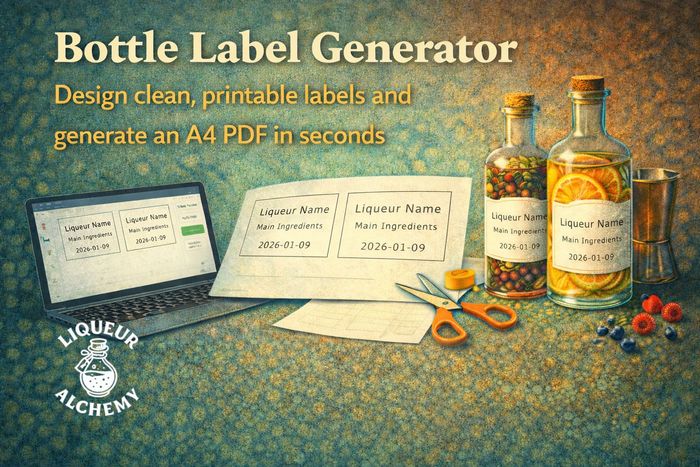
Bottle Label Generator preview

Bottle Label Generator

Create clean bottle labels with your liqueur name, batch details, date — ready for printing and gifting.
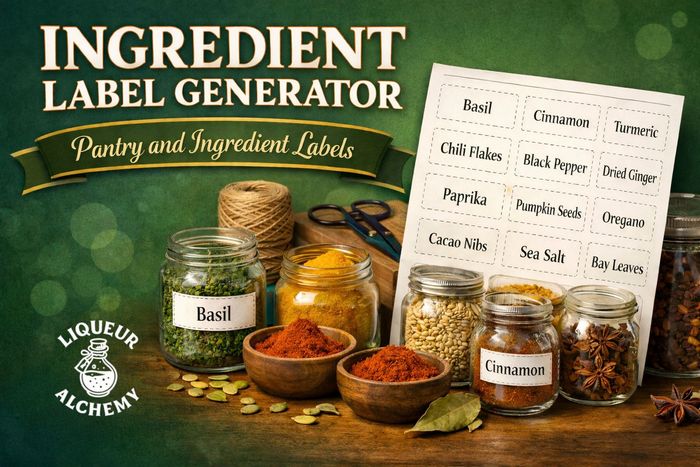
Ingredient Label Generator preview

Ingredient Label Generator

Label jars, containers, and storage bags to maintain clear organization from preparation through infusion and serving.
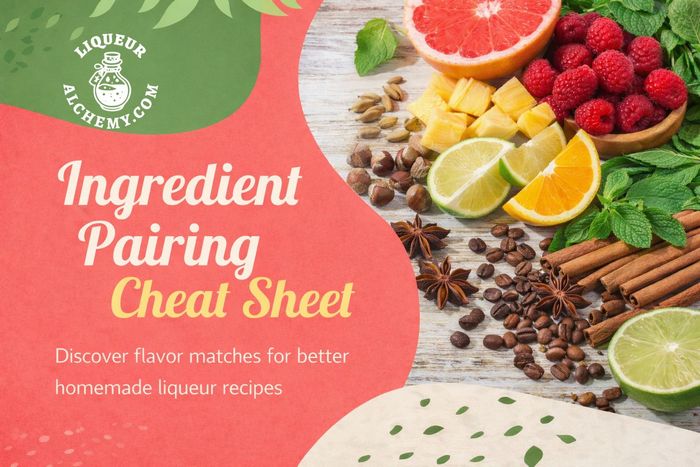
Ingredient pairing cheat sheet for creating balanced homemade liqueurs

Ingredient Pairing Cheat Sheet

Discover flavor combinations that create balanced, complex, and unique homemade liqueurs.