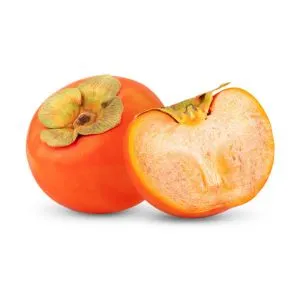
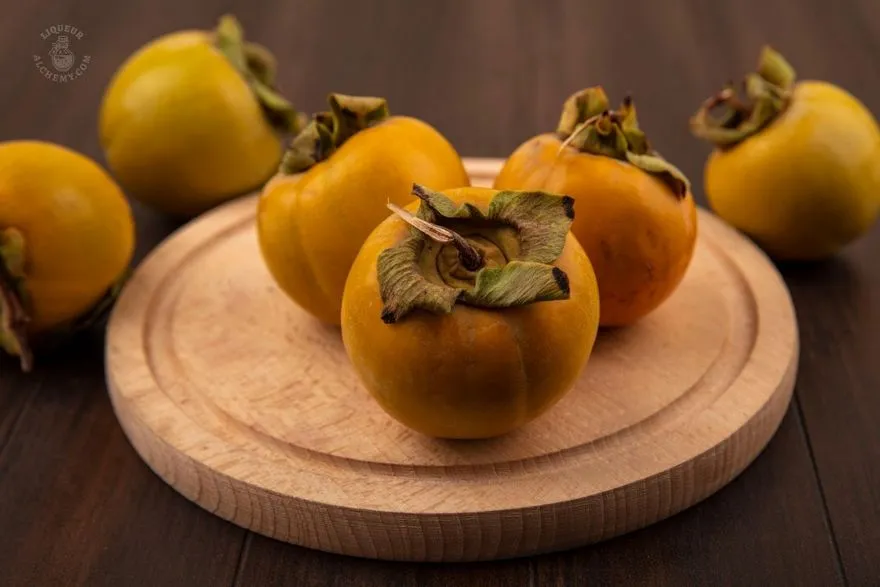
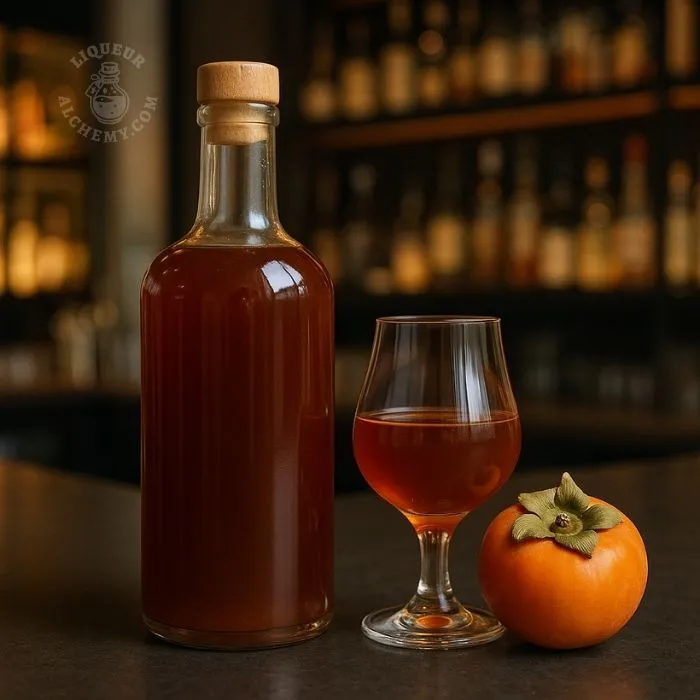
Persimmon

Persimmon for Liqueur Infusions – Flavor & Pairing Tips

Persimmon infuses a gentle caramel-honey sweetness and rich body. Its golden pulp blends with citrus or spice to create warm, mellow liqueurs that capture the essence of autumnal fruit richness.

Persimmon

Home / Ingredients / Fruits / Persimmon

Persimmon Flavor Profile

Honeyed sweetness, mild tannin, soft autumn fruit notes.

Persimmon Impact on Liqueurs

Adds smooth body and mellow sweetness.

How to Use Persimmon?

Use ripe flesh, sliced; 400–700 g per 1 L. Infuse 3–5 weeks in brandy or vodka.

Persimmon Pairing Suggestions

Brandy, Brown Sugar, Cinnamon, Vanilla, Clove, Orange Peel, Honey, Ginger
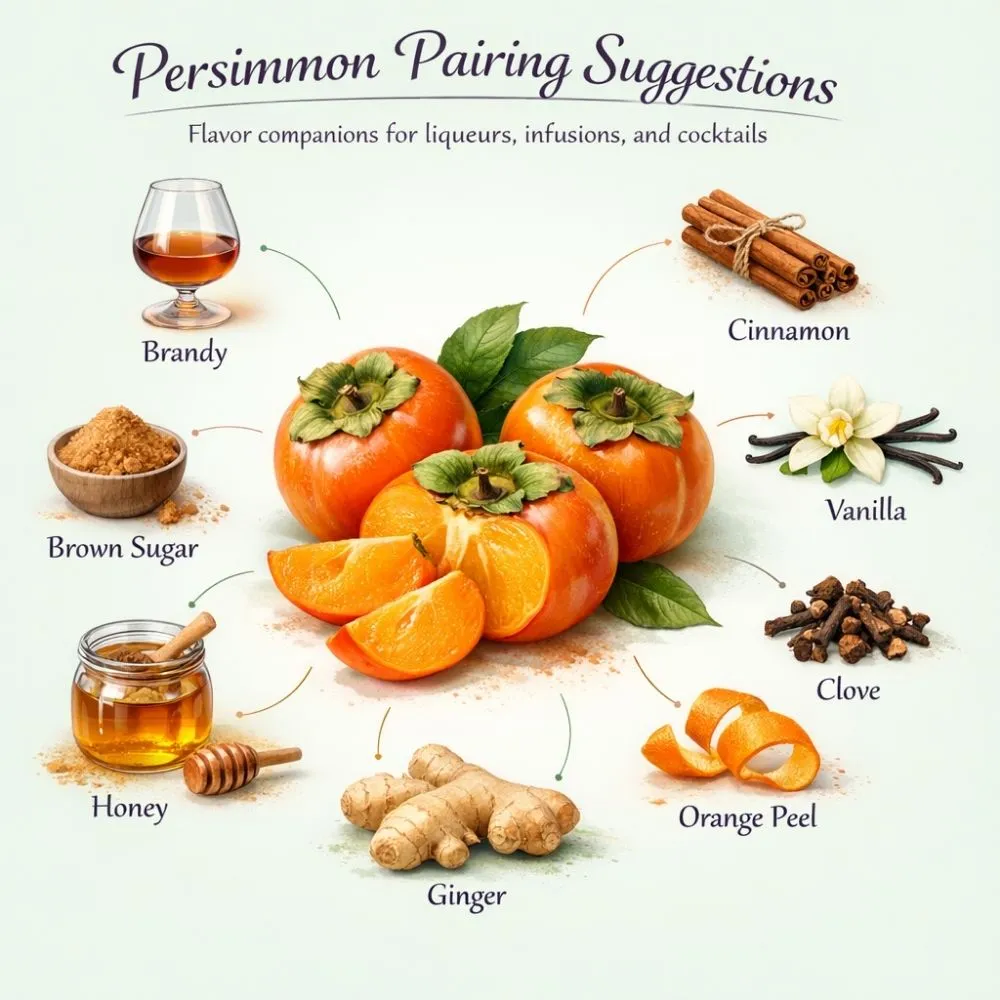
Persimmon pairing suggestions for liqueur making

Persimmon FAQ


Yes—type matters. Non‑astringent Fuyu gives a clean, honeyed, pumpkin‑mango sweetness and is easier to work with because it’s edible when firm. Astringent Hachiya can taste mouth‑drying if used before fully ripe; only use it when it’s jelly‑soft (or after freezing/thawing) so tannins are reduced.

For extraction, 40–50% ABV is ideal; persimmon aroma is gentle, so avoid overpowering bases. Slice or cube (don’t puree), and macerate 7–14 days, tasting from day 5. If you detect tannin bite, strain immediately and sweeten later—sugar can soften tannins, but time on skins/seeds can increase them.

Common mistakes: using unripe Hachiya, leaving fruit too long, or adding heavy spices early. Flavor impact is warm, caramel‑fruit; pair with vanilla, cinnamon, or toasted sesame—but keep dosage tiny. Store the finished liqueur cool and dark; persimmon can oxidize, so minimize headspace and consider a small pinch of ascorbic acid if you’re bottling for months.

Persimmon likes “warm bakery” notes, but it’s easy to overpower. Best pairings are vanilla (¼–½ bean per liter), a small cinnamon piece, or a tiny pinch of nutmeg—added late or pulled early. These support the caramel‑honey profile without turning it into a spice liqueur.

Timing and dosage: add spices after 3–5 days of fruit maceration, then taste daily. Pull spices once you can smell them clearly—usually 12–48 hours for nutmeg, 1–3 days for cinnamon, and 2–5 days for vanilla. If you want extra depth, try toasted rice or a few roasted white sesame seeds in a tea infuser for 6–12 hours.

Common mistakes are adding cloves/anise (too dominant) or leaving spices the whole time. Keep the base clean (vodka, light brandy), strain well, and rest 2–4 weeks before judging. Store cool and dark; spice intensity increases slightly over time even after filtration.

Several factors influence the extraction of flavors from persimmons when crafting liqueurs. The ripeness of the fruit plays a significant role; riper persimmons typically release more sugars and flavors compared to unripe ones. Choosing the right variety of persimmon can also impact the overall taste and aroma of the liqueur.

The method of extraction is another crucial element. Cold maceration tends to preserve the fresh, fruity notes of the persimmons, while heat extraction can intensify the sweetness and alter the flavor profile. Experimenting with different techniques can help you discover the best method for your desired outcome.

Lastly, the duration of the extraction process is vital. A shorter extraction may yield a lighter flavor, while a longer period can result in a richer, more complex profile. Regular tasting during the process ensures that you achieve the perfect balance for your liqueur.

The amount of persimmon to use depends on the desired sweetness and flavor intensity. A general guideline is to use about 1 to 2 cups of chopped ripe persimmons per liter of base spirit. Adjust according to your taste preferences.

If you're experimenting with dried persimmons, start with a smaller quantity, such as ½ to 1 cup, as they are more concentrated in flavor. You can always add more during tasting sessions to achieve the right balance.

Keep in mind that persimmons can vary in sweetness, so taste your mixture periodically. This will help you determine if you need to adjust the quantity for a more balanced liqueur.

Yes, you can replace persimmon with other fruits like pears, which offer a similar sweetness and texture. Pears can add a subtle flavor that works well in liqueurs, especially when combined with spices. They can be used fresh or as a puree to achieve the right consistency.

Another great substitute is apples, particularly sweeter varieties like Fuji or Honeycrisp. Apples have a crisp texture and a natural sweetness that can enhance your liqueur. They can be used fresh, juiced, or even as a cider base for a unique twist.

Lastly, consider using figs, which provide a rich, sweet flavor that can complement the other ingredients in your liqueur. Figs can be used fresh or dried, and their unique taste can add depth to your final product, making them a versatile alternative to persimmons.
Persimmon
Persimmon in Liqueur Crafting

More Fruits


RELATED RECIPES OF LIQUEUR ALCHEMY


Explore more creations from Liqueur Alchemy that share similar flavours, techniques, or ingredients. These related recipes offer fresh ideas and inspired combinations to help you craft your next bold, homemade spirit.

LIQUEUR ALCHEMY TOOLS & RESOURCES


Design labels in minutes—beautiful, practical, and ready to print. Choose a tool below to generate bottle or ingredient labels that match your Liqueur Alchemy workflow.
Bottle Label Generator preview

Bottle Label Generator

Create clean bottle labels with your liqueur name, batch details, date — ready for printing and gifting.
Ingredient Label Generator preview

Ingredient Label Generator

Label jars, containers, and storage bags to maintain clear organization from preparation through infusion and serving.

Ingredient pairing cheat sheet for creating balanced homemade liqueurs

Ingredient Pairing Cheat Sheet

Discover flavor combinations that create balanced, complex, and unique homemade liqueurs.