Why does rambutan liqueur sometimes taste weak, flat, or disappointing?
Ingredients and Sweeteners That Shape Liqueur Flavor
Direct Answer
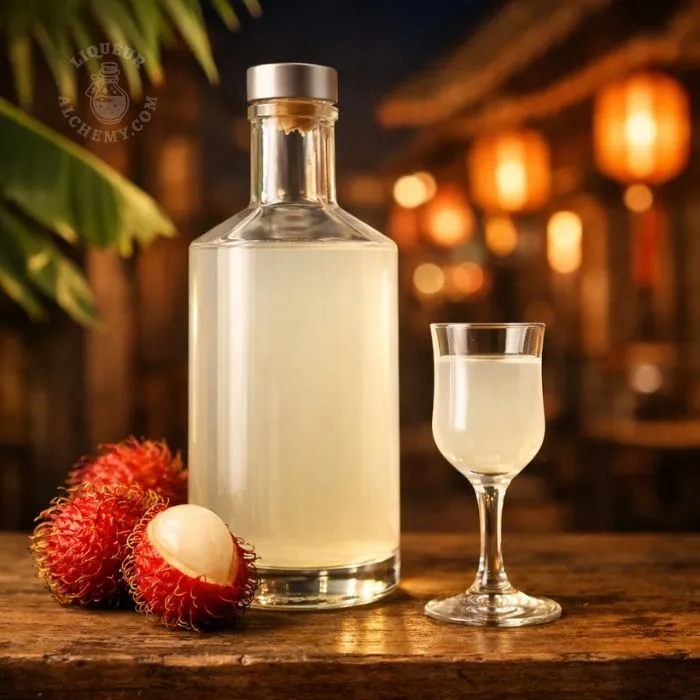
Rambutan liqueur tastes flat when too little ripe fruit is used, infusion timing is off, or sweetness and supporting flavors are poorly balanced.
Expanded Explanation
Rambutan liqueur can taste weak because the fruit itself has a mild aromatic profile compared with ingredients like citrus peel, pineapple, or berries. Even when the flesh tastes pleasant fresh, its aroma may not transfer strongly into alcohol. If too little fruit is used, the spirit can easily dominate. The result is often a liqueur that smells faintly fruity but lacks a clear signature note on the palate.
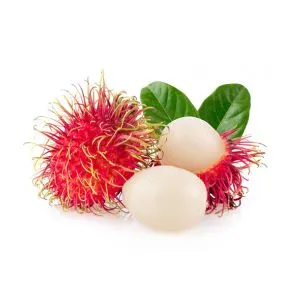
Timing and sugar balance also play a big role. If the fruit is infused too briefly, extraction may be incomplete, but if it is left too long, the freshest notes can disappear and the liquid may become washed-out or tired. Over-sweetening is another common issue because sugar can make the liqueur feel richer while actually muting delicate top notes. In some cases, poor fruit quality is the real problem: old, cold-stored, or underripe rambutan often gives a bland result before the infusion even starts.
To fix this, start with fully ripe fruit, use a neutral spirit, and increase the fruit-to-spirit ratio rather than extending the infusion too far. Taste frequently and strain once the best point is reached. You can also sharpen the profile with a small amount of lime zest or reinforce the tropical character with lychee, vanilla, or a touch of ginger. Store the finished bottle away from heat and light, and allow a short rest after sweetening so the flavors settle without losing freshness.