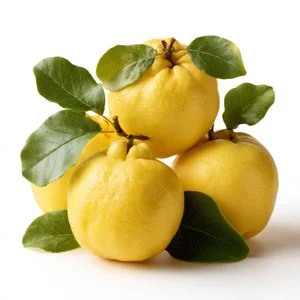
Quince (Japanese)

Japanese Quince in Liqueur Making: Bright, Tart and Aromatic Fruit

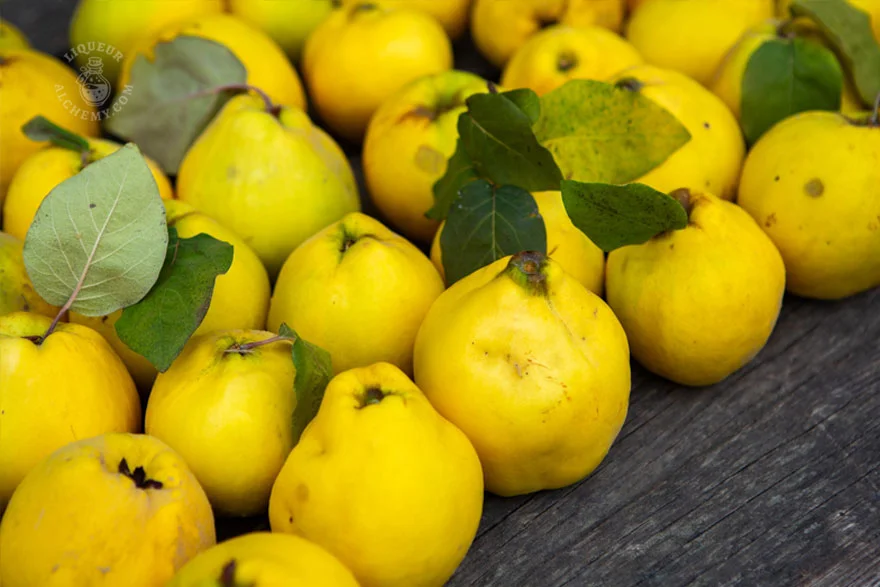
Japanese quince is a firm, intensely aromatic fruit prized for its bright acidity and distinctive citrus-like character. In liqueur making, it contributes notes of lemon, green apple, pear and delicate florals while adding freshness and structure to the infusion. Its natural tartness helps counter sugar and soften the perception of alcohol, producing lively, fragrant liqueurs. It works especially well with vodka, gin, honey, ginger, vanilla and warming spices.

Quince (Japanese)

Home / Ingredients / Fruits / Quince (Japanese)

Quince (Japanese) Flavor Profile

Bright, tart and intensely aromatic, with citrus-like acidity, green apple, pear and delicate floral notes.

Quince (Japanese) Impact on Liqueurs

Adds vivid acidity, fresh fruit aroma and crisp structure, balancing sweetness and giving liqueurs a lively, clean finish.

How to Use Quince (Japanese)?

Wash thoroughly, remove damaged areas, quarter the fruit and remove the seeds and core before slicing. Japanese quince is very firm, so thin slices or small pieces improve extraction. Freezing and thawing before infusion can soften the fruit and help release juice and aroma. Its acidity is pronounced, so add sweetener gradually after tasting. Allow the finished liqueur to rest after filtering for the sharper fruit notes to integrate.

Quince (Japanese) Pairing Suggestions

Vodka, Gin, Honey, White Sugar, Lemon, Ginger, Vanilla, Cardamom, Cinnamon, Saffron
Quince (Japanese) FAQ


Japanese quince releases flavor very effectively into alcohol, although extraction is usually slower than with soft, juicy fruits. The flesh is firm and relatively dry, but it contains concentrated aromatic compounds that give tart apple, lemon, pear and delicate floral impressions. Vodka works particularly well because its neutral profile captures these aromas without masking them. Cutting the fruit into thin slices or small pieces greatly increases the exposed surface area and improves extraction.

During the first weeks, alcohol draws out volatile aromas, acidity and fruit character while gradually softening the pieces. Color extraction is usually modest compared with berries, so aroma and acidity are better indicators of progress than appearance. Freezing and thawing the fruit beforehand can rupture cell structures and accelerate extraction. Gentle agitation during the first week can also help distribute alcohol around the fruit, but vigorous shaking is unnecessary and may create additional sediment.

For a balanced homemade liqueur, begin tasting after about three to four weeks and continue periodically. Japanese quince can remain in vodka for several weeks without losing its identity, but very long maceration may introduce harsher notes if seeds or core material were left behind. Straining when the aroma is bright and the acidity is pronounced but clean usually produces the freshest result. Resting the filtered infusion before final sweetening also helps reveal its true balance.

Common quince is the closest practical substitute when Japanese quince is unavailable. It offers a similarly fragrant character, firm flesh and natural acidity, although its flavor is generally softer, less sharply citrus-like and somewhat more pear-like. Because common quince is larger and usually less intensely acidic, the quantity and sweetening may need adjustment. Start with a similar prepared fruit weight, then judge the infusion by aroma and acidity rather than assuming an exact one-to-one flavor match.

Tart apples and crabapples are useful alternatives when the goal is crisp acidity and fresh orchard-fruit character. Crabapples can provide particularly good structure because many varieties contain noticeable acidity and tannin. A mixture of tart apple with a small amount of lemon zest can approximate some of the bright citrus impression of Japanese quince. Pear can contribute perfume and softness but generally needs additional acidity to create a comparably lively finish.

No substitute reproduces Japanese quince exactly, so choose according to the role it plays in the recipe. For intense fragrance and acidity, common quince or crabapple are usually the strongest choices. For a gentler liqueur, tart apple or pear can work well. Adjust sugar only after tasting the infused alcohol because replacement fruits may have very different natural sweetness and acidity. When citrus zest is used to increase brightness, keep the white pith out to avoid unnecessary bitterness.

Japanese quince generally benefits from several weeks of maceration in vodka because its flesh is much firmer than berries or other soft fruits. A useful tasting window begins at about three to four weeks, with many infusions developing a fuller fruit character over roughly four to eight weeks. Thinly sliced fruit, especially when previously frozen and thawed, may release its aroma more quickly than large pieces of fresh fruit.

Infusion time should be guided by taste rather than a fixed calendar date. Sample a small amount every week after the initial three or four weeks. Look for a strong fresh aroma, pronounced but pleasant acidity and clear apple, pear and citrus-like notes. If cinnamon, cardamom, ginger, vanilla or other aromatics are included, they may need to be removed earlier than the fruit because spices can dominate a delicate quince profile surprisingly quickly.

Leaving Japanese quince in vodka for much longer is not automatically better. Extended contact with seeds, core material or excessive peel can contribute bitterness or roughness, particularly if the fruit was not prepared carefully. Once the desired fruit intensity is reached, strain the infusion and allow it to rest before making final sugar adjustments. Resting for at least several days, and preferably a few weeks, allows alcohol heat and sharp acidity to integrate and makes sweetness easier to judge accurately.

Excess bitterness in Japanese quince liqueur often comes from preparation rather than the fruit's naturally sharp acidity. Leaving seeds, damaged core material or bruised and deteriorating sections in the jar can introduce rough flavors during a long infusion. The fruit should be washed carefully, inspected, quartered and cored before slicing. Acidity can taste aggressive when unsweetened, but that sharpness should not automatically be confused with true bitterness.

Another common problem is excessive maceration, especially when strong spices or citrus peel are included. Cinnamon, cloves, cardamom and some other aromatics can become dominant or woody if left in alcohol for the entire fruit infusion. Citrus pith is particularly capable of adding unwanted bitterness. Taste the infusion regularly and remove spices individually when they reach the desired strength instead of waiting to strain every ingredient at the same time.

Poor balance can also make moderate bitterness seem much stronger. A very dry infusion with high acidity and noticeable alcohol heat may taste harsh before it has been sweetened and rested. Add syrup or honey gradually, allowing samples to settle before deciding whether more is needed. If bitterness has already developed, removing all solids immediately, resting the liqueur and carefully adjusting sweetness can soften it. Dilution with a clean compatible infusion may help severe cases, but prevention gives a cleaner result.

Japanese quince has pronounced natural acidity, so it can make a liqueur taste much drier and sharper even when a substantial amount of sugar is present. This is one of its greatest advantages in liqueur making: the fruit can support sweetness without allowing the finished drink to become flat or syrupy. Its bright citrus-like character also increases the perception of freshness, helping rich sweeteners such as honey feel cleaner on the palate.

Because fruit intensity varies, sugar should not be determined solely from a fixed recipe. Infuse the fruit first or begin with only part of the intended sweetener, then taste after filtration. Add simple syrup, white sugar syrup or honey in measured stages. Allow each test sample time to integrate before making another adjustment. A highly concentrated infusion made with around one kilogram of fruit per litre may need more sweetness than a lighter infusion using a smaller fruit load.

Balance does not mean eliminating the characteristic tartness. Japanese quince should normally retain enough acidity to remain vivid and recognizable. Too much sugar can bury its floral and citrus notes, while too little can leave alcohol heat and acidity feeling severe. Honey adds aroma and body but can soften the clean fruit definition, whereas white sugar is more neutral. Resting the sweetened liqueur for several weeks often improves integration and may reduce the need for further adjustment.
Quince (Japanese)
Quince (Japanese) in Liqueur Crafting

More Fruits


LIQUEUR ALCHEMY TOOLS & RESOURCES


Design labels in minutes—beautiful, practical, and ready to print. Choose a tool below to generate bottle or ingredient labels that match your Liqueur Alchemy workflow.
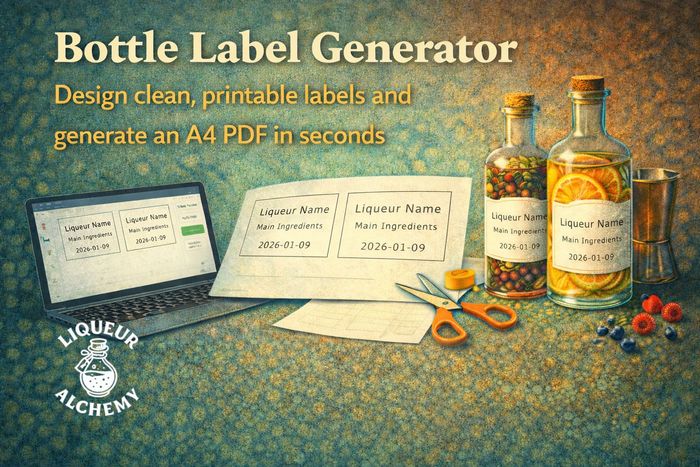
Bottle Label Generator preview

Bottle Label Generator

Create clean bottle labels with your liqueur name, batch details, date — ready for printing and gifting.
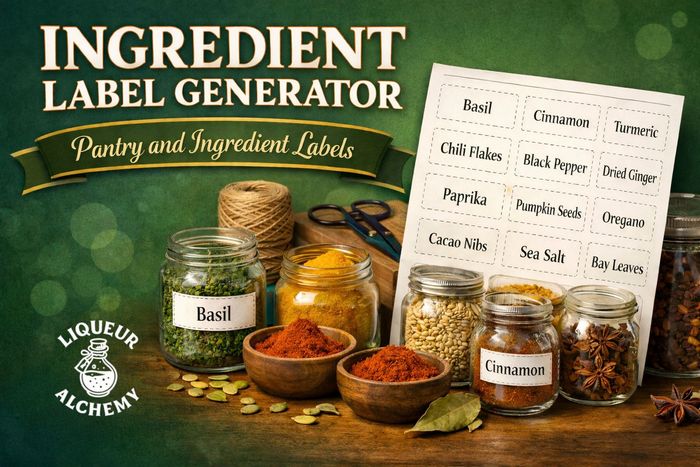
Ingredient Label Generator preview

Ingredient Label Generator

Label jars, containers, and storage bags to maintain clear organization from preparation through infusion and serving.

Ingredient pairing cheat sheet for creating balanced homemade liqueurs

Ingredient Pairing Cheat Sheet

Discover flavor combinations that create balanced, complex, and unique homemade liqueurs.