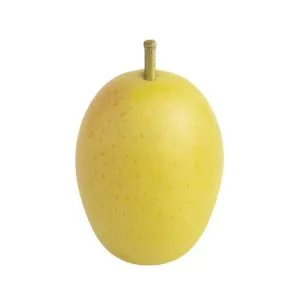
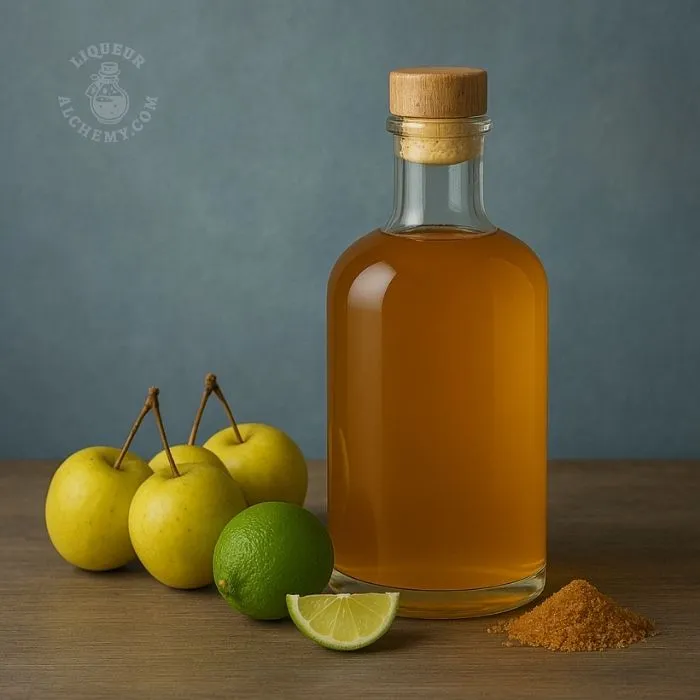
Crabapple

Crabapple for Liqueur Infusions – Flavor & Pairing Tips

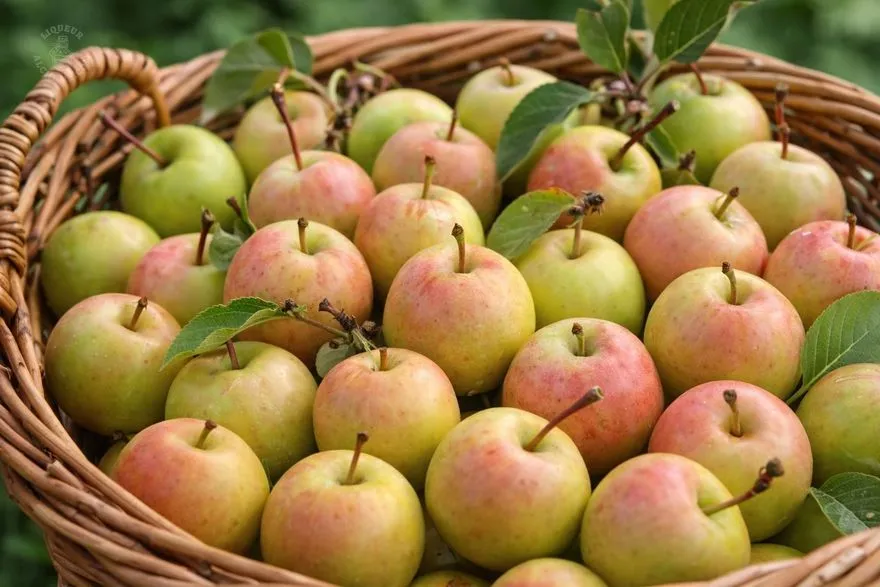
Crabapples bring lively, high acid apple flavour to liqueurs, with concentrated aroma, colour, and gentle tannin. Their small size hides intense character that sharpens sweetness and adds crisp, orchard like freshness. When infused whole or cut, they lend structure and a faint cider note, pairing beautifully with spices, honey, or darker spirits. Crabapples create bright yet mature liqueurs with a clean, satisfying finish.

Crabapple

Home / Ingredients / Fruits / Crabapple

Crabapple Flavor Profile

Sharp apple aroma, bright acidity, green and slightly floral.
Crabapple Impact on Liqueurs

Adds crisp tartness and structure, balancing sweetness in fruit-forward liqueurs.

How to Use Crabapple?

Use sliced fruit; 500–800 g per 1 L. Infuse 3–6 weeks in vodka or brandy.

Crabapple Pairing Suggestions

Vodka, White Sugar, Star Anise, Cinnamon, Clove, Vanilla, Honey, Lemon Peel
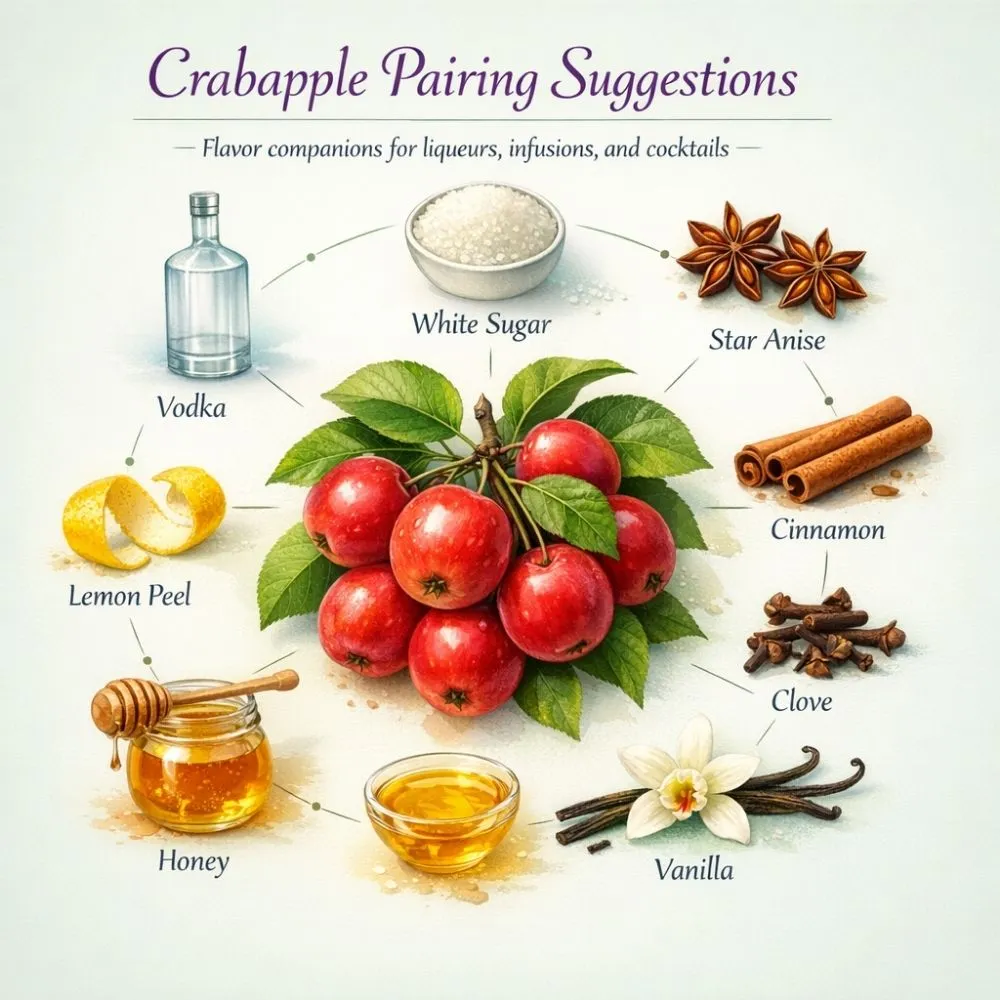
Crabapple pairing suggestions for liqueur making

Crabapple FAQ


Crabapples are excellent for liqueur because they’re intensely aromatic and tart, often with a floral apple-skin perfume. Their acidity is high, so you usually need more sweetness than with dessert apples. Slice or quarter, remove stems, and keep seeds minimal; don’t puree.

Use 40–50% ABV and macerate 2–6 weeks, tasting weekly. Crabapple aroma develops with time, but long contact can add tannin from skins and seeds, so strain when the flavor is bright and not mouth-drying. Sweeten after straining and do it in stages.

Common mistakes include using bruised fruit (oxidation), leaving lots of seeds, and overspicing. Flavor impact is tart apple, floral, and lively; pairs well with cinnamon (tiny), vanilla, or a brief orange-peel lift. Store cool and dark; apple aromatics fade with heat and oxygen.

Vodka keeps crabapple clean and aromatic; brandy adds baked depth and can be great if you want a richer sipper. Light rum is less common but can work if kept subtle. Use 40–50% ABV and let the fruit do the talking.

You can substitute regular apples, but you’ll lose intensity—dessert apples are milder and often need either more fruit or added structure (a touch of apple peel, or blending with a small amount of crabapple if available). If using regular apples, shorten steep time to avoid dullness and oxidation.

Common mistakes include using heavily oaked spirits that mask apple perfume and adding strong spices early. Flavor impact should be crisp and bright. Store cool and dark; apple aromatics are delicate and fade with heat and headspace.

The extraction efficiency of crabapple in liqueur making is influenced by several factors, including temperature, time, and the type of alcohol used. Warmer temperatures generally promote faster extraction, allowing flavors and aromas to be released more quickly. However, care must be taken to avoid overheating, which can alter the delicate flavor profile.

Maceration time also plays a crucial role; longer periods can lead to a more robust extraction of flavors. However, too long can result in bitterness, so it’s essential to find the right balance. Using high-proof alcohol can enhance extraction efficiency, capturing more of the essential oils and compounds.

Lastly, the cut of crabapple used can affect extraction. Different varieties may yield varying levels of acidity and sweetness, impacting the final liqueur. Understanding these factors is key to achieving the desired flavor profile.

Preparing crabapples for liqueur involves a few simple steps. Start by washing them thoroughly to remove any dirt or pesticides. After washing, remove the stems and cores, as the seeds can impart a bitter flavor to your liqueur.

Next, you can slice or chop the crabapples to increase the surface area, which helps in flavor extraction during the infusion process. This step is particularly important if you want a more intense flavor in your final product.

Finally, consider macerating the crabapples with sugar for a few hours before adding them to your liqueur base. This technique enhances the sweetness and flavor, leading to a more balanced and enjoyable liqueur.

If you're seeking a sweeter alternative to crabapple for your liqueurs, consider using ripe apples such as Fuji or Honeycrisp. These varieties offer a natural sweetness that can complement your liqueur without overpowering it. They also provide a pleasant aroma and flavor.

Pears can also be a delightful substitute, as their sweetness and juiciness can add depth to your liqueur. When using pears, opt for varieties like Bartlett or Anjou to achieve the best results. Their flavor profile is subtle yet delicious.

Lastly, you might try using quince, which has a sweet-tart flavor that can mimic some characteristics of crabapple. While quince may require cooking to soften, it can yield a unique and flavorful liqueur.
Crabapple
Crabapple in Liqueur Crafting

More Fruits


RELATED RECIPES OF LIQUEUR ALCHEMY


Explore more creations from Liqueur Alchemy that share similar flavours, techniques, or ingredients. These related recipes offer fresh ideas and inspired combinations to help you craft your next bold, homemade spirit.

LIQUEUR ALCHEMY TOOLS & RESOURCES


Design labels in minutes—beautiful, practical, and ready to print. Choose a tool below to generate bottle or ingredient labels that match your Liqueur Alchemy workflow.
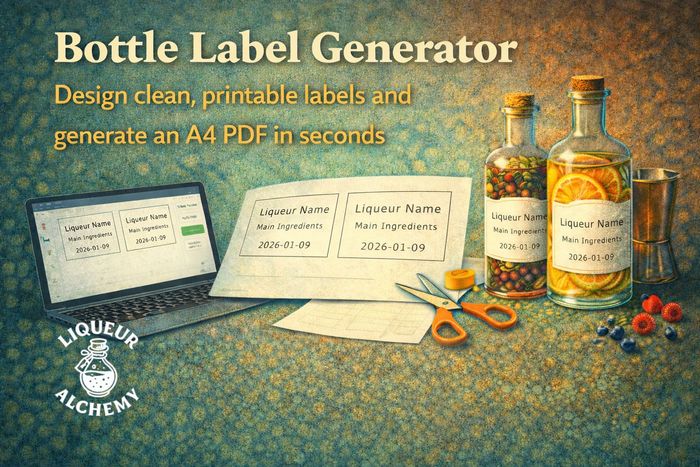
Bottle Label Generator preview

Bottle Label Generator

Create clean bottle labels with your liqueur name, batch details, date — ready for printing and gifting.
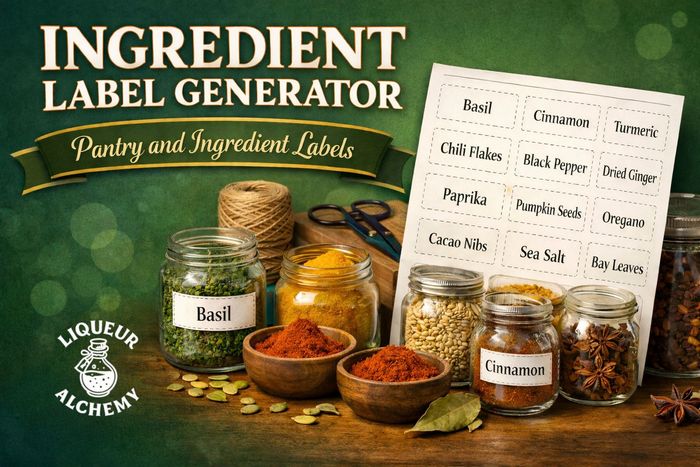
Ingredient Label Generator preview

Ingredient Label Generator

Label jars, containers, and storage bags to maintain clear organization from preparation through infusion and serving.
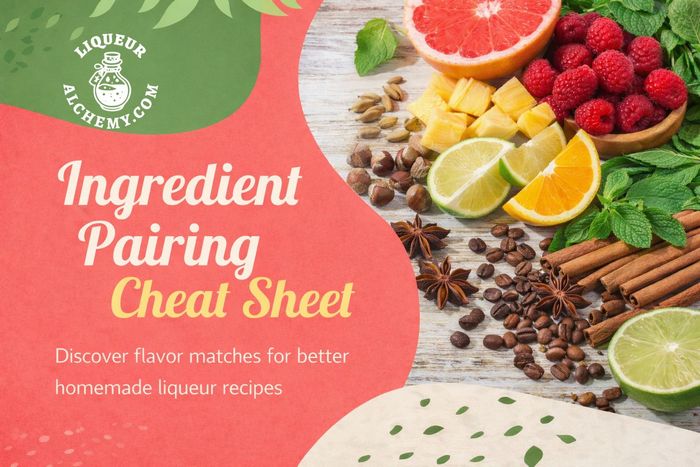
Ingredient pairing cheat sheet for creating balanced homemade liqueurs

Ingredient Pairing Cheat Sheet

Discover flavor combinations that create balanced, complex, and unique homemade liqueurs.