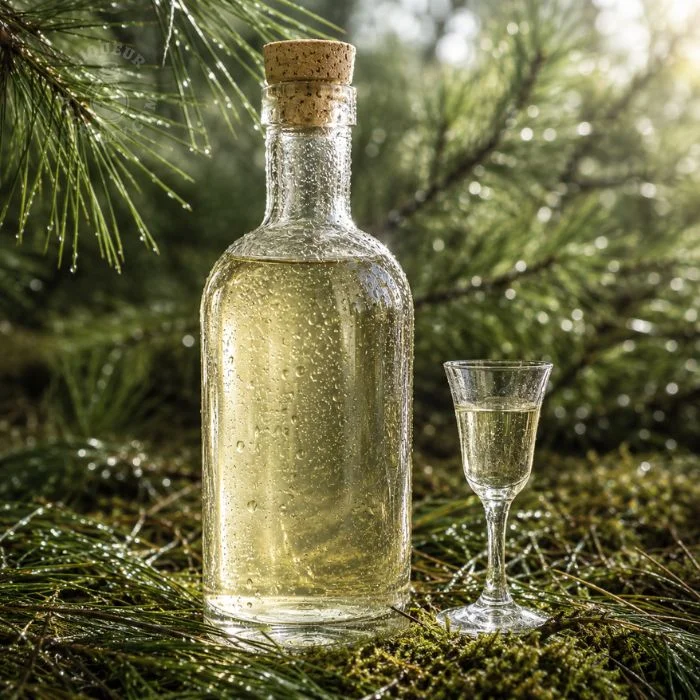
Pine Shoots

Young Pine Shoots for Fresh Forest-Style Liqueurs

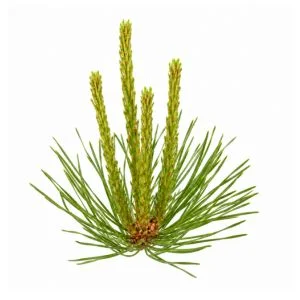
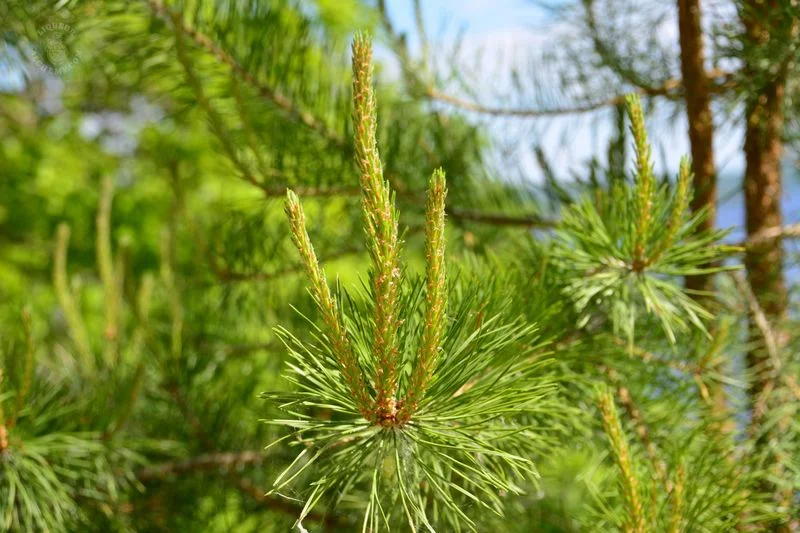
Young pine shoots are tender spring growth with bright resin, citrus-peel freshness, soft green sweetness, and a clean forest aroma. In liqueur making, they extract quickly into vodka or other clear spirits, adding aromatic lift, herbal depth, and a distinctive woodland character. Used carefully, they create elegant, fragrant liqueurs with fresh pine notes rather than harsh resin. They pair well with honey, lemon, ginger, juniper, and gentle spices.

Pine Shoots

Home / Ingredients / Herbs / Pine Shoots

Pine Shoots Flavor Profile

Fresh, resinous, citrusy, green, lightly sweet, woody, balsamic, forest-like, herbal, and aromatic with subtle spice-like brightness.

Pine Shoots Impact on Liqueurs

Young pine shoots give liqueurs a clear woodland aroma, fresh herbal lift, citrus-like brightness, and gentle resinous depth. They can make a spirit feel fresher, greener, and more complex, but overuse or long maceration may create bitterness or a harsh turpentine-like edge.

How to Use Pine Shoots?

Use only clean, young, soft spring shoots from correctly identified edible pine. Avoid old needles, woody stems, polluted locations, and unknown conifers. Infuse in moderation and taste regularly, as young pine shoots can become bitter if macerated too long. Rinse only if necessary, dry well, and remove damaged or brown parts before use.

Pine Shoots Pairing Suggestions

Vodka, Honey, White Sugar, Lemon, Orange, Ginger, Juniper Berries, Vanilla, Rosemary, Apple
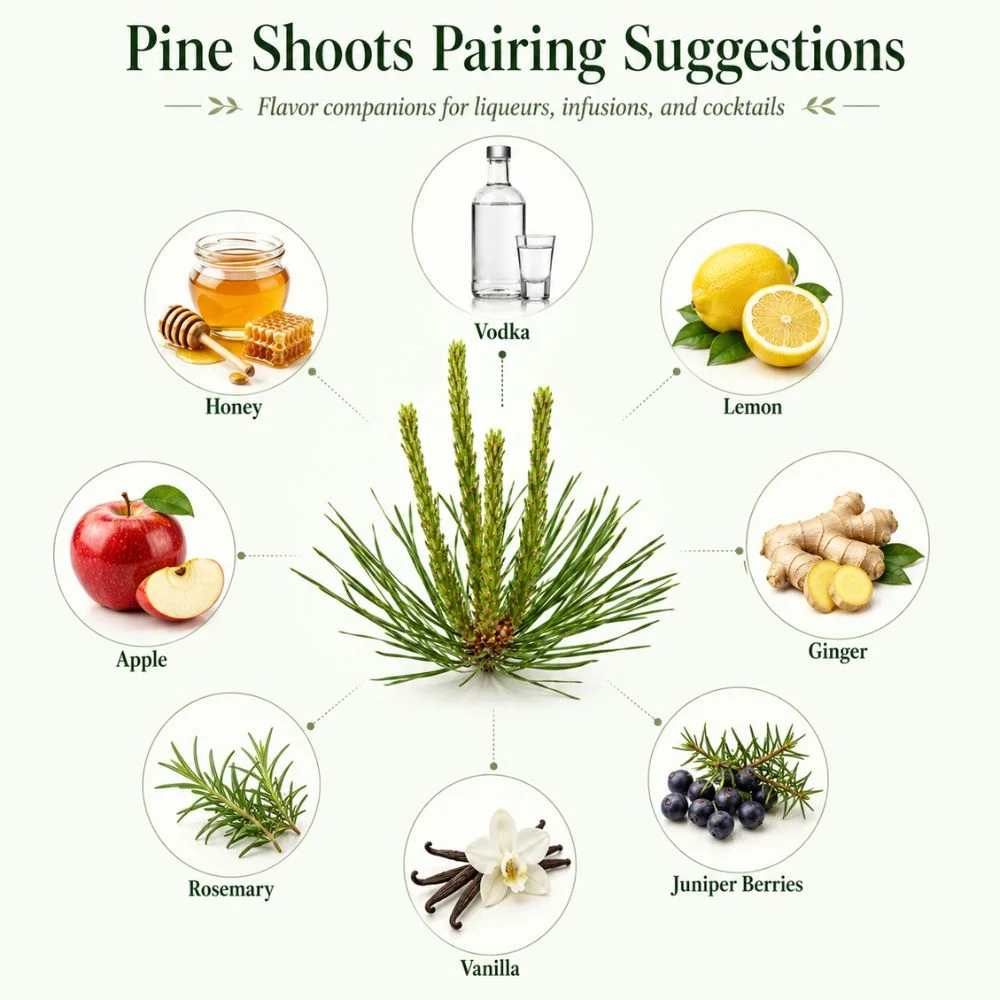
Pine Shoots pairing suggestions for liqueur making

Pine Shoots FAQ


Young pine shoots release flavour quite quickly because their tender spring growth contains soft resin, fresh green oils, citrus-like aromatics, and delicate sap notes close to the surface. In vodka or another clear spirit, the first noticeable aroma can appear within a few days, especially if the shoots are fresh, young, and lightly bruised before infusion. This fast extraction is useful for liqueur making because it gives a bright forest character without needing a long, heavy maceration.

The strongest fresh-pine lift usually develops during the first one to two weeks. After that, extraction becomes slower and can move from clean, fragrant, citrusy pine into deeper resin, woody bitterness, and herbal sharpness. For a refined liqueur, it is better to taste regularly rather than rely only on a fixed date. Young shoots are not like hard spices or dried roots, so they do not need many weeks to show their character.

For a balanced result, start checking the infusion after five to seven days. If the aroma is fresh, green, and pleasant, you can strain early and allow sweetness and resting time to round the flavour. If the liqueur still feels too light, continue for a few more days. The goal is fresh woodland brightness, not heavy turpentine-like resin.

Young pine shoots have a very specific profile, so no substitute is identical. They combine fresh forest aroma, soft resin, citrus peel, green herbal lift, and a faint natural sweetness. If you cannot use them, the closest approach is to build a similar direction with ingredients that offer evergreen freshness, herbal structure, and gentle brightness. Juniper berries, rosemary, spruce tips, lemon zest, and a small amount of fresh ginger can help create a related woodland-style liqueur.

Spruce tips are often the closest botanical substitute because they share a tender spring growth character and can bring bright conifer notes. Juniper berries give a drier gin-like forest aroma, but they are more spicy and berry-like than young pine shoots. Rosemary gives herbal pine-like freshness but is stronger and more savoury, so it should be used carefully. Lemon zest can replace some of the citrusy lift, while honey can help imitate the soft rounded sweetness.

When substituting, avoid using mature pine needles as a direct replacement in the same quantity. Older needles can be tougher, drier, more resinous, and less elegant. A substitute blend should be tested in small batches first. The final liqueur should feel fresh and aromatic rather than medicinal or bitter.

Young pine shoots usually macerate well in vodka for about seven to fourteen days, depending on freshness, quantity, alcohol strength, and desired intensity. Because the shoots are tender spring growth, they release aroma faster than woody spices or dried botanicals. A short infusion often captures the best notes: bright pine, citrus peel, green sweetness, and clean forest freshness. Longer maceration is not always better.

After the first week, taste and smell the infusion every two or three days. If the vodka smells fresh, aromatic, and softly resinous, it may already be ready to strain. If it still feels too light, continue for a few more days. When the aroma becomes sharp, woody, bitter, or heavy, the shoots have stayed too long. Pine shoot liqueur should feel elegant and fragrant, not harsh or medicinal.

For a sweeter liqueur, you can strain the infusion first and then add honey, sugar syrup, lemon juice, or other flavour-balancing ingredients. This gives more control because the alcohol extraction and sweetness adjustment happen separately. After bottling, let the liqueur rest for at least two to four weeks so the fresh resin, sweetness, acidity, and spirit warmth become smoother.

The most common mistake is using too many shoots or leaving them in alcohol for too long. Young pine shoots are aromatic and can move quickly from fresh, citrusy, and green into thick resin, bitterness, and medicinal sharpness. A long maceration may seem tempting, but it often extracts heavier compounds that overpower the liqueur. Once the resin character becomes excessive, it is difficult to correct fully with sugar or honey.

Another mistake is using older, tougher pine growth instead of soft spring shoots. Mature needles and woody pieces can bring harsher flavours, especially if crushed heavily or infused in strong alcohol. Including too much brown stem material can also make the result woody and dry. The best material is tender, clean, fresh growth with a bright aroma and no signs of damage, pollution, mould, or dryness.

Poor balance can also make resin seem stronger. Too little sweetness, no acidity, or no resting time may leave the liqueur sharp and unfinished. Honey, lemon, apple, vanilla, or gentle spice can help round the profile, but moderation is still essential. Strain early, taste often, and let the finished liqueur mature before judging the final flavour.

Young pine shoots give a liqueur a fresh forest aroma with notes of green pine, soft resin, citrus peel, spring needles, and clean woodland air. Their scent is brighter and more delicate than mature pine needles, which can smell heavier and more medicinal. In vodka, the shoots can create an aromatic lift that makes the spirit feel fresher, more natural, and more layered.

The aroma often develops in stages. Early extraction brings citrus-green freshness and a soft herbal sweetness. With more time, the infusion gains resin, woody depth, and a firmer botanical character. If pushed too far, it can become sharp, sticky, or bitter. This is why young pine shoots are best treated as a delicate aromatic ingredient rather than a heavy flavouring.

In the finished liqueur, pine shoots work especially well with honey, lemon, ginger, juniper berries, apple, vanilla, and rosemary. Honey rounds the green aroma, lemon brightens it, and juniper strengthens the forest impression. When balanced well, the liqueur smells fresh, elegant, and outdoorsy, with a distinctive craft character that feels different from standard fruit infusions.
Pine Shoots
Pine Shoots in Liqueur Crafting

More Herbs


RELATED RECIPES OF LIQUEUR ALCHEMY


Explore more creations from Liqueur Alchemy that share similar flavours, techniques, or ingredients. These related recipes offer fresh ideas and inspired combinations to help you craft your next bold, homemade spirit.

LIQUEUR ALCHEMY TOOLS & RESOURCES


Design labels in minutes—beautiful, practical, and ready to print. Choose a tool below to generate bottle or ingredient labels that match your Liqueur Alchemy workflow.
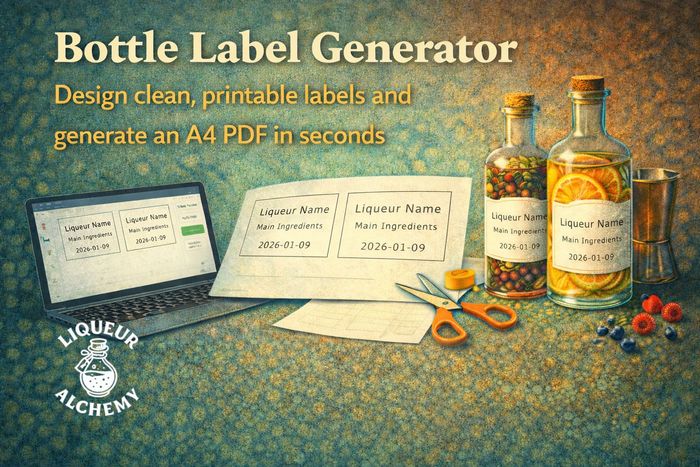
Bottle Label Generator preview

Bottle Label Generator

Create clean bottle labels with your liqueur name, batch details, date — ready for printing and gifting.
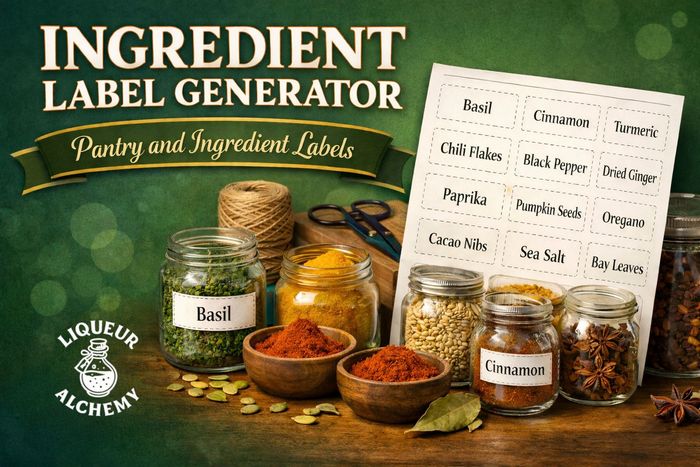
Ingredient Label Generator preview

Ingredient Label Generator

Label jars, containers, and storage bags to maintain clear organization from preparation through infusion and serving.
Ingredient pairing cheat sheet for creating balanced homemade liqueurs

Ingredient Pairing Cheat Sheet

Discover flavor combinations that create balanced, complex, and unique homemade liqueurs.