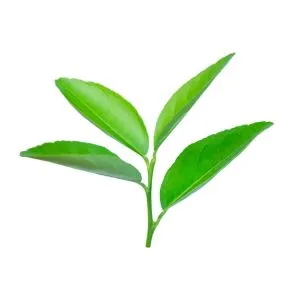
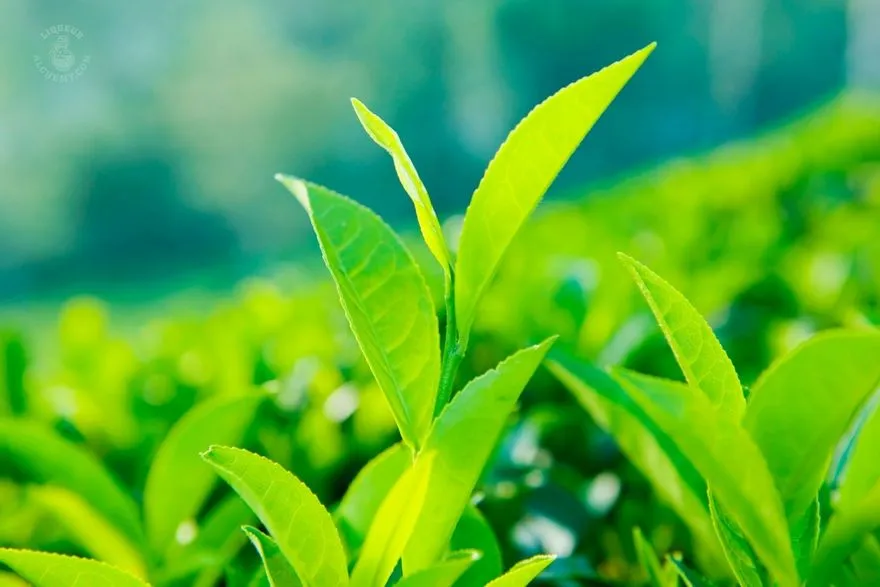
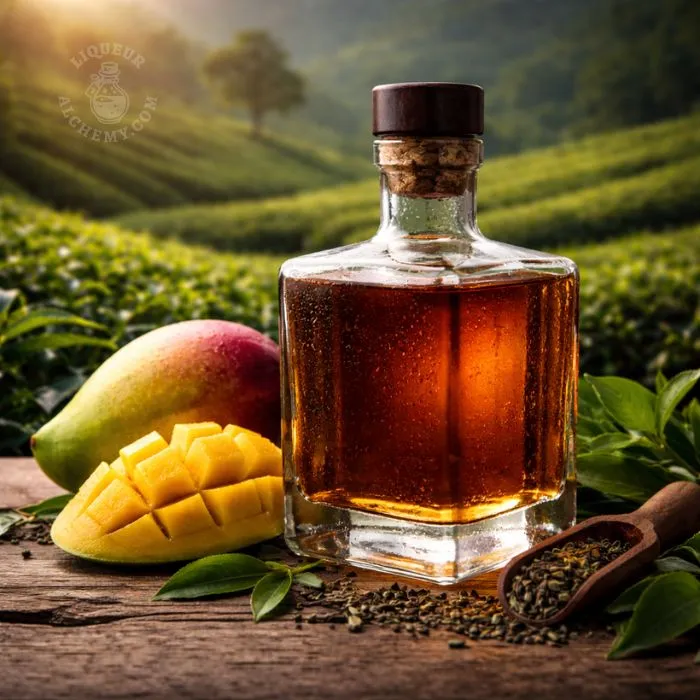
Green Tea

Green Tea for Liqueur Infusions – Flavor, Use & Pairings

Green tea brings delicate grassy-floral aroma, light astringency, and a refined bitterness that makes liqueurs feel cleaner and more structured. It helps reduce cloying sweetness, lifts citrus and stone fruits, and pairs beautifully with honey, ginger, mint, and jasmine-like notes. Use brief infusions to avoid harsh bitterness; higher heat or long steeping can turn the profile woody. Excellent in vodka or light rum for clear, elegant liqueurs.

Green Tea

Home / Ingredients / Herbs / Green Tea

Green Tea Flavor Profile

Delicate grassy aroma, light floral notes, gentle bitterness, clean tannins, refreshing dry finish.

Green Tea Impact on Liqueurs

Adds structure and freshness, reducing cloying sweetness and giving fruit liqueurs a crisp, refined edge.

How to Use Green Tea?

Use loose leaf or quality bags; 10–20 g per 1 L. Cold infuse 4–12 hours or room-temp 6–18 hours; strain early.

Green Tea Pairing Suggestions

Vodka, White Sugar, Lemon, Honey, Mint, Ginger, Jasmine, Bergamot
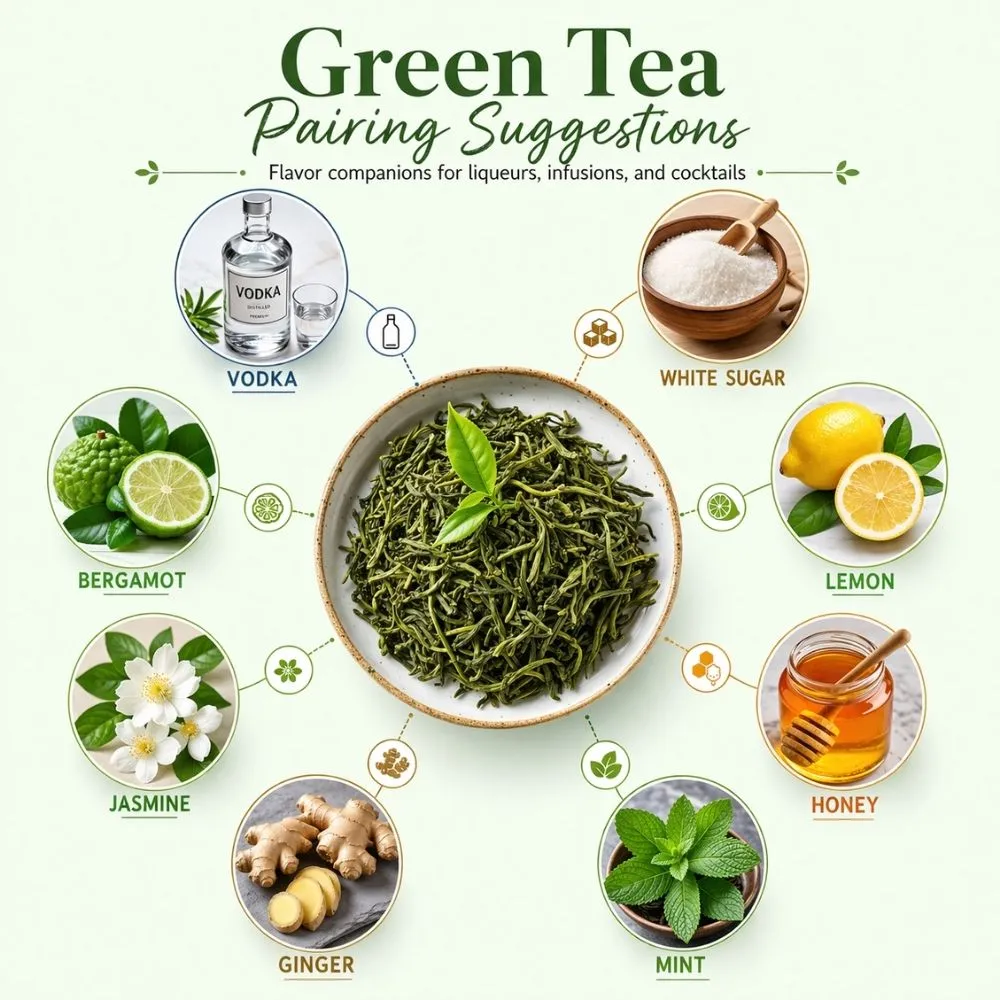
Green Tea pairing suggestions for liqueur making

Green Tea FAQ


Green tea extracts fast, and bitterness rises sharply if you over-steep. Use a clean base spirit at 40–50% ABV and start with a gentle dose: 5–15 g tea per liter (or 5–10 bags). Taste at 15 minutes, then at 30–60 minutes; many green-tea infusions are best between 20–90 minutes.

For more control, cold-infuse the tea in alcohol in the fridge and strain once aroma is fresh and grassy-sweet. Sweeten after straining—sugar can hide bitterness but also mutes the delicate top notes if added too early.

Common mistakes include steeping for hours, using boiling-hot tea concentrates, or using cheap tea that tastes dusty. Flavor impact should be fresh, slightly vegetal, and clean. Store cool and dark; tea aromatics fade with light and oxygen, so bottle small once opened.

Green tea leaves are easier for clean infusions and clearer bottles. Matcha is powdered leaf, so it delivers strong flavor and color but tends to stay suspended, creating haze and grit that’s hard to filter. If you want clarity and a refined profile, use leaf green tea.

If you want a “latte-style” or dessert cordial with intentional cloudiness, matcha can work—just accept the texture and consider a cream liqueur route. Dose matcha carefully and mix thoroughly; filter expectations should be lower.

Common mistakes include treating matcha like leaf tea and steeping too long. Flavor impact: leaf tea is bright and clean; matcha is intense, grassy, and creamy-dense. Store cool and dark; both fade with light.

Several factors influence the extraction of green tea in liqueur production, including water temperature, steeping duration, and leaf quality. Higher temperatures can extract more tannins, leading to astringency, while cooler temperatures yield a smoother flavor. Adjusting these variables allows for tailored flavor profiles in your liqueur.

The type of green tea used also impacts extraction. Varieties like Sencha or Matcha have different flavor compounds and extraction behaviors. Understanding these differences can help you select the right tea for your desired outcome, enhancing the overall complexity of your liqueur.

Additionally, the method of extraction, whether through infusion or distillation, can alter the final flavor. Infusion tends to capture more aromatic compounds, while distillation may concentrate the essence of the tea. Experimenting with these methods will help you find the best approach for your liqueur recipes.

To avoid mistakes, start by selecting high-quality green tea that suits your flavor profile. Experiment with different varieties to find the one that complements your liqueur best.

Be mindful of steeping times; shorter is often better. A steeping time of 2 to 3 minutes is ideal to prevent bitterness. Consider tasting the tea at intervals to find the perfect balance.

Finally, pay attention to water temperature. Use water that is not boiling to preserve the delicate flavors of the tea. This will enhance the overall quality of your liqueur and prevent any unpleasant aftertastes.

For liqueur infusion, start by using high-quality loose leaf green tea. Measure the desired amount, typically one teaspoon per cup of liquid, and place it in a heat-resistant container.

Heat water to just below boiling, around 175°F to 185°F (80°C to 85°C), to avoid bitterness. Pour the hot water over the tea leaves and let them steep for about 2 to 3 minutes, then strain the liquid to remove the leaves.

Once prepared, you can mix the infused green tea with your base spirits or other ingredients. This method enhances the liqueur's flavor profile while maintaining the tea's unique characteristics.
Green Tea
Green Tea in Liqueur Crafting

More Herbs


RELATED RECIPES OF LIQUEUR ALCHEMY


Explore more creations from Liqueur Alchemy that share similar flavours, techniques, or ingredients. These related recipes offer fresh ideas and inspired combinations to help you craft your next bold, homemade spirit.

LIQUEUR ALCHEMY TOOLS & RESOURCES


Design labels in minutes—beautiful, practical, and ready to print. Choose a tool below to generate bottle or ingredient labels that match your Liqueur Alchemy workflow.
Bottle Label Generator preview

Bottle Label Generator

Create clean bottle labels with your liqueur name, batch details, date — ready for printing and gifting.
Ingredient Label Generator preview

Ingredient Label Generator

Label jars, containers, and storage bags to maintain clear organization from preparation through infusion and serving.
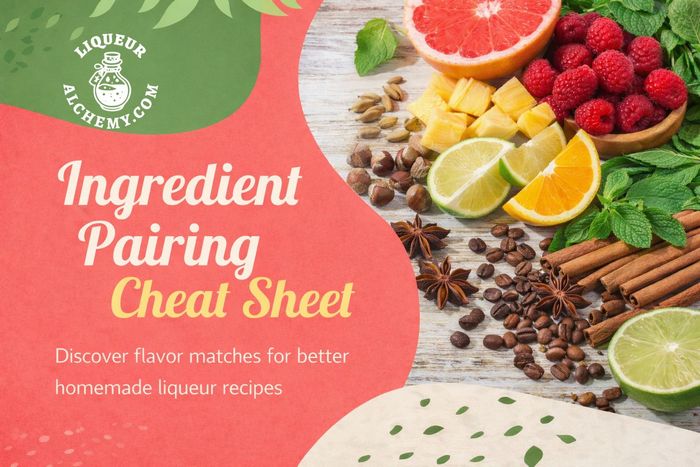
Ingredient pairing cheat sheet for creating balanced homemade liqueurs

Ingredient Pairing Cheat Sheet

Discover flavor combinations that create balanced, complex, and unique homemade liqueurs.