Pinovelle

Pinovelle Pine Shoot Vodka Liqueur with Honey, Citrus & Juniper

Pinovelle is a refined pine shoot vodka liqueur that balances fresh evergreen aromas with subtle citrus, warming ginger and delicate honey sweetness. Juniper adds elegant botanical depth without dominating the profile. The result is a smooth, forest-inspired liqueur that feels fresh, sophisticated and ideal for slow sipping.

Main notes

  • Vodka
  • Pine Shoots

Ingredients

  • Vodka - 1 L
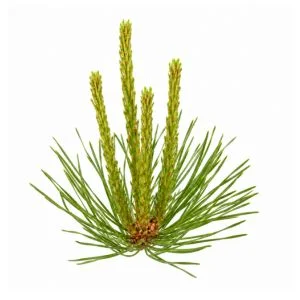
  • Young pine shoots - 1 kg
  • White sugar - 140 g
  • Honey - 50 g
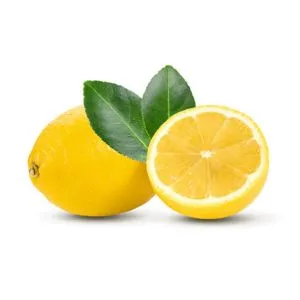
  • Lemon zest - 2 thin strips
  • Orange zest - 1 thin strip
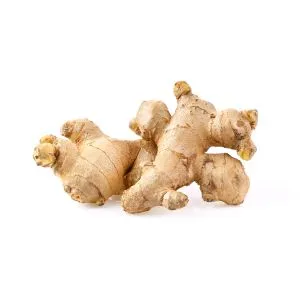
  • Fresh ginger - 5 g
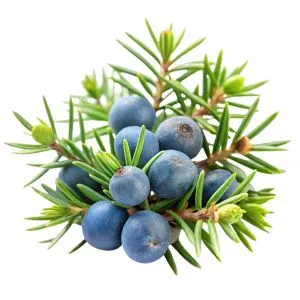
  • Juniper berries - 5 berries

Preparation

  1. Collect fresh young pine shoots on a dry day, selecting only soft, light-green growth and avoiding any woody or damaged pieces.
  2. Briefly rinse if necessary, pat dry, and cut the shoots into 2–3 cm pieces.
  3. Place the pine shoots into a large sterilised glass jar and sprinkle the white sugar evenly over them.
  4. Seal the jar and place it in a sunny location for 14 days, gently shaking every few days as the shoots release their aromatic syrup.
  5. Add the honey, lemon zest, orange zest, sliced ginger and lightly crushed juniper berries.
  6. Pour the vodka over all ingredients, ensuring everything is fully submerged.
  7. Seal the jar again and store it in a cool, dark place for another 14 days, shaking every 3–4 days.
  8. Strain through a fine sieve, then filter through cheesecloth or coffee filters until clear, gently pressing the pine shoots to recover the remaining liquid.
  9. Bottle the liqueur and mature it in a cool, dark place for at least 4 months before serving.
Download

The Story

Pinovelle captures the spirit of spring forests in a bottle, transforming tender young pine shoots into an elegant vodka liqueur layered with subtle citrus, honey and aromatic botanicals. Fresh resinous notes mingle with gentle sweetness while ginger adds warmth and juniper lends a refined evergreen complexity. Rather than a medicinal-style nalewka, Pinovelle is designed as a modern sipping liqueur that celebrates the awakening of nature. Every glass evokes a peaceful woodland walk beneath sunlit pine branches, where the air is cool, fragrant and full of life. After several months of maturation, its flavours soften beautifully, creating a harmonious balance between forest freshness, citrus brightness and delicate sweetness.

Who is "Pinovelle" Liqueur for?

Pinovelle is for curious drinkers who enjoy elegant botanical flavours and slow, contemplative sipping. It suits lovers of forests, herbal spirits and less-sweet liqueurs who appreciate unique seasonal ingredients and refined natural aromas. Perfect for quiet evenings, winter gatherings or anyone seeking something truly distinctive.

"Pinovelle" Liqueur Serving Suggestions

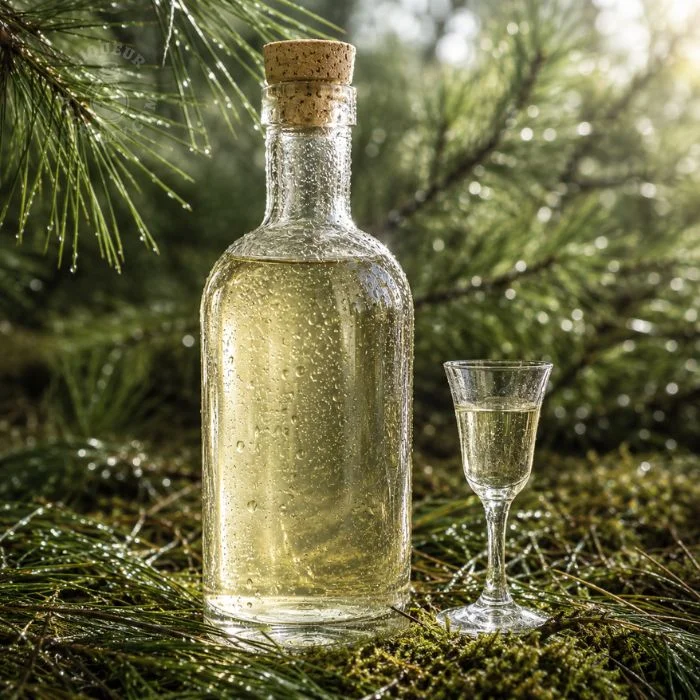
Serve Pinovelle lightly chilled in a small tulip or liqueur glass at 10–14°C. Enjoy after dinner or beside a fireplace, allowing the forest aromas, citrus brightness and gentle honey notes to slowly unfold with each sip.

Why the Name "Pinovelle"?

The name Pinovelle combines “Pino,” inspired by pine trees, with “novelle,” evoking something new, fresh and full of life. It reflects the arrival of spring, when tender green shoots emerge and forests awaken after winter. The name was chosen to convey elegance and renewal rather than a traditional medicinal association.

Testing Notes

Reducing the sugar level allowed the pine aromas to remain the dominant feature while preventing the liqueur from becoming syrupy. Limiting the orange zest kept the citrus balanced, and using only a few juniper berries added subtle complexity without creating a gin-like profile. The flavour noticeably improves after six months of maturation.

Pinovelle Liqueur FAQ


Pine shoot liqueur benefits greatly from resting after filtration. Although it can be tasted soon after bottling, the flavours are usually sharper at first. Fresh pine, ginger, juniper and citrus need time to settle, especially because the recipe uses aromatic ingredients rather than soft fruit pulp.

A minimum resting time of 4 months is recommended. During this period, the resinous edge softens, the honey becomes better integrated and the citrus notes feel less separate. After 6 months, the liqueur usually becomes noticeably smoother and more rounded, with a cleaner forest aroma and a longer finish.

Store the bottles tightly sealed in a cool, dark place, away from sunlight and heat. If sediment appears, it is usually from natural plant particles and can be removed by careful decanting or refiltering. For the best presentation, filter once more before serving if clarity is important. Serve lightly chilled, not ice-cold, so the pine and honey aromas remain expressive.

View this Liqueur FAQ as a standalone page

Pine shoot liqueur can become bitter when the shoots are too old, woody or dark green. The best material is soft, young, light-green spring growth. Older shoots contain stronger resin and tougher plant material, which can dominate the drink and create a harsh medicinal finish instead of a fresh woodland aroma.

Another common mistake is over-maceration. Pine shoots, citrus zest, ginger and juniper are all powerful ingredients. Leaving them in alcohol for too long can make the liqueur taste heavy, sharp or overly gin-like. Orange zest in particular should be used with restraint because it can easily cover the delicate pine flavour.

Bitterness can also come from poor filtering or pressing the shoots too aggressively. Gentle pressing is useful, but crushing the plant material hard can release rougher flavours. To fix a slightly bitter batch, let it mature for several months, then adjust with a small amount of honey syrup if needed. Severe bitterness is harder to correct, so careful timing and ingredient selection matter most.

View this Liqueur FAQ as a standalone page
Young pine shoots are difficult to replace exactly because they bring a very specific fresh forest aroma: resinous, green, lightly citrusy and slightly herbal. The closest substitutes are young spruce tips or fir tips, used in a similar amount but tasted carefully during maceration. They give a related evergreen character, although spruce is usually brighter and slightly sharper while fir can feel softer and more balsamic.

If fresh conifer shoots are not available, a smaller amount of pine needles can be used, but the result will be more resinous and less juicy. Use only clean, correctly identified edible conifer material and avoid yew, which is toxic. Dried pine needles are less suitable because they can taste woody, dusty or medicinal rather than fresh.

For a softer substitute, combine rosemary, lemon zest and a few juniper berries, but treat this as a different botanical liqueur rather than a true pine shoot infusion. Rosemary gives herbal structure, lemon zest adds brightness and juniper provides evergreen depth. This will not recreate the same spring shoot character, but it can still produce a pleasant forest-style vodka liqueur.

For this style of pine shoot liqueur, the process works best in two stages. First, the young shoots sit with sugar for about 14 days in a sunny or warm place, releasing a fragrant syrup. This stage extracts aroma and natural moisture gently before alcohol is added, giving the final liqueur a rounder forest character.

After honey, citrus, ginger, juniper and vodka are added, a further 14 days in a cool, dark place is usually enough. Longer alcohol maceration is not always better with pine shoots. Once the fresh green aroma has moved into the vodka, extended contact can pull out more resin, bitterness and woody notes, especially if the shoots were older or roughly cut.

The citrus zest and ginger should not be left indefinitely either. If the aroma becomes strongly bitter, sharp or pithy, strain early. A good practical target is 14 days for the syrup stage and 14 days for the vodka stage, then filter and mature the bottled liqueur. The resting period after bottling is where the flavour becomes smoother and more integrated.

The balance of sugar and honey is important because young pine shoots are aromatic rather than juicy fruit. Too much sweetness can turn the liqueur into a heavy syrup and hide the fresh forest notes. A balanced starting point is 140 g white sugar and 50 g honey per 1 litre of vodka, giving gentle sweetness without making the drink sticky.

White sugar keeps the flavour clean and allows the pine, citrus and juniper to stay clear. Honey adds body, softness and a rounded herbal warmth, but too much honey can make the finish thick and slightly floral. If a drier, more botanical result is preferred, reduce the sugar to around 100–120 g and keep the honey at 30–40 g.

The safest method is to avoid oversweetening at the beginning. After filtering, let the liqueur rest for a few weeks, then taste it. If it feels too sharp or resinous, add a small amount of honey syrup gradually. Sweetness becomes smoother during maturation, so final adjustments are best made slowly rather than all at once.

RALETED RECIPES OF LIQUEUR ALCHEMY


Explore more creations from Liqueur Alchemy that share similar flavours, techniques, or ingredients. These related recipes offer fresh ideas and inspired combinations to help you craft your next bold, homemade spirit.