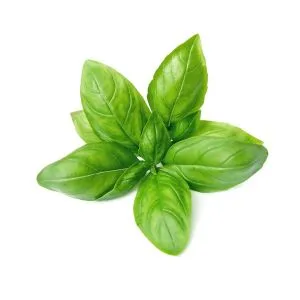
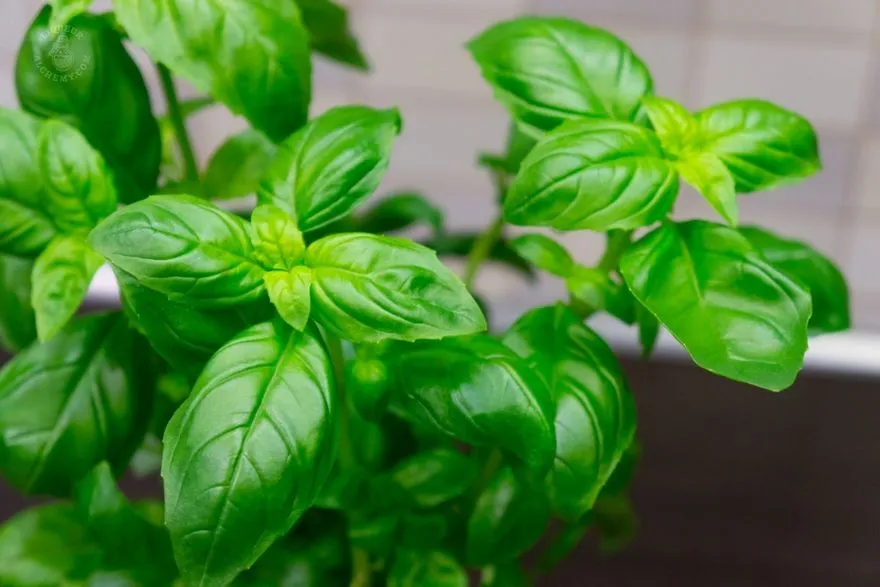
Basil

Basil for Liqueur Infusions – Flavor & Pairing Tips

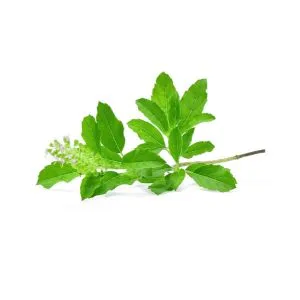
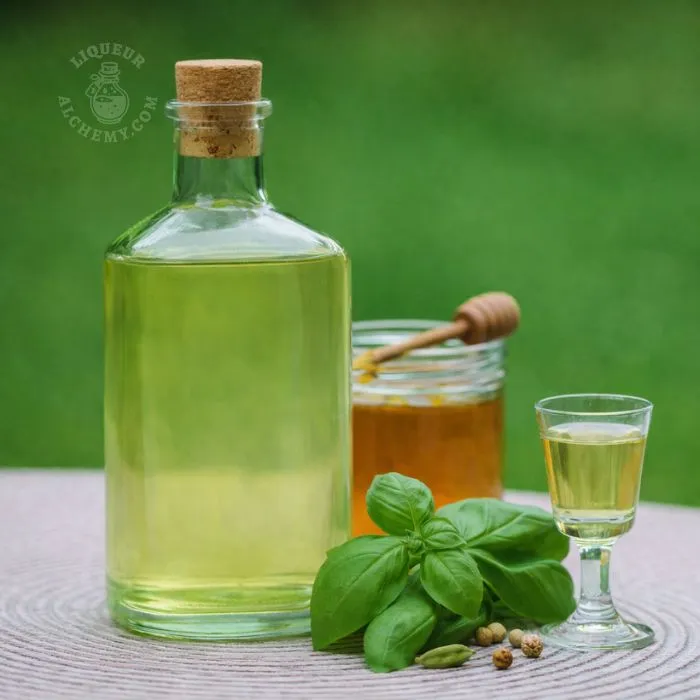
Sweet basil adds a vivid green aroma with gentle pepper and soft anise notes. In liqueurs it enhances berries and citrus, making them taste brighter and cleaner, and pairs well with strawberry, lemon peel, pineapple, and light herbal blends. Keep infusions short to avoid grassy bitterness. Best suited to vodka or gin bases and ideal for fresh, summer-style liqueurs.

Basil

Home / Ingredients / Herbs / Basil

Basil Flavor Profile

Sweet-green aroma with gentle pepper and soft anise notes; fresh garden brightness.
Basil Impact on Liqueurs

Brightens fruit and citrus liqueurs and adds a crisp herbal top note; over-steeping turns grassy.

How to Use Basil?

Use fresh leaves, lightly bruised; 15–30 g per 1 L. Infuse 2–5 days in vodka or gin; strain promptly.

Basil Pairing Suggestions

Vodka, White Sugar, Lemon, Strawberry, Black Pepper, Mint, Honey, Lime
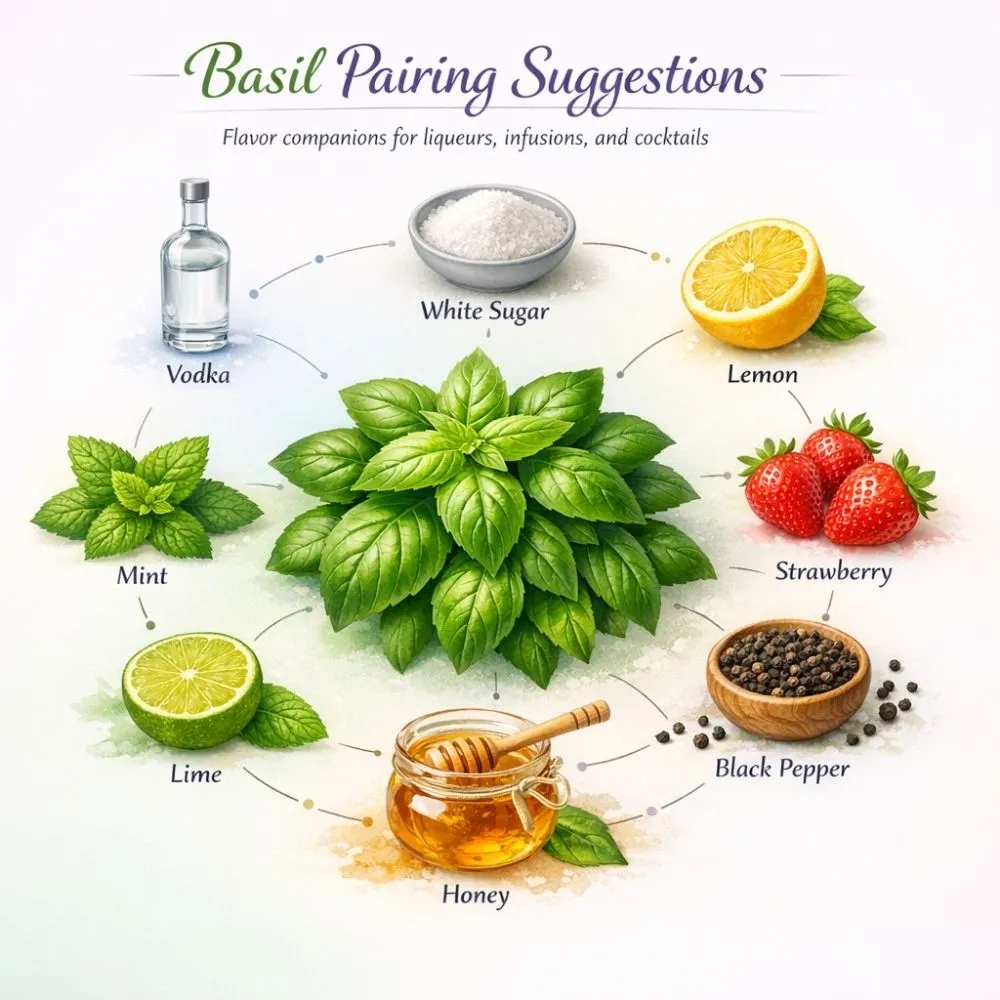
Basil pairing suggestions for liqueur making

Basil FAQ


Basil is delicate and extracts fast. For fresh basil leaves, 40–50% ABV and a short infusion is best—often 2–12 hours for a bright green aroma, sometimes up to 24 hours depending on leaf quantity. Past that, basil can turn bitter and the color can brown from oxidation.

Use a gentle approach: rinse and dry leaves, avoid bruising, and keep them fully submerged. Strain as soon as the aroma pops. If you want stronger flavor, do a second short infusion with fresh leaves rather than extending time.

Common mistakes include muddling, warm steeping, and leaving large headspace. Flavor impact should be fresh, peppery-green basil. Store cool and dark; basil top notes fade, so plan to bottle and enjoy within a few months.

Basil loves simple sugar for a clean profile, or honey for a softer herbal roundness. Citrus is the best partner: lemon and lime zest lift basil’s peppery-green notes and keep it tasting fresh.

Add citrus late and briefly (hours) or use zest tinctures so you can control bitterness. Sweeten after straining and rest 3–7 days for integration.

Common mistakes include leaving basil and citrus peels together for days. Flavor impact should be crisp, green, and bright. Store cool and dark; basil-citrus blends are best consumed relatively fresh.

Several factors influence basil's extraction behavior, including the alcohol content and the form of basil used. Fresh basil typically provides a more vibrant flavor compared to dried basil, which can sometimes yield a more muted taste.

The method of preparation also matters; bruising or chopping the basil before infusion can enhance the extraction of oils and flavors. This mechanical action breaks down the plant's cell walls, allowing for better flavor release into the liqueur.

Lastly, the pH of the alcohol can affect the extraction process. A neutral pH is ideal for extracting the full range of flavors from basil, while acidic environments may alter the flavor profile, leading to unexpected results.

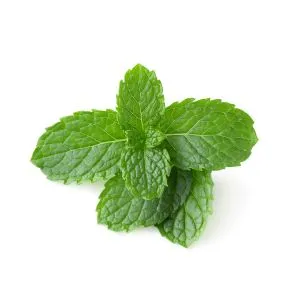
Yes, you can replace basil with various other herbs depending on your desired flavor. For instance, mint is a refreshing alternative that can add a cooling effect to your liqueur. Use it in moderation, as its strong flavor can dominate.

Another option is parsley, which provides a milder taste and can enhance the herbal notes without overpowering the other ingredients. It's best to use fresh parsley for the most vibrant flavor, and you can use it in equal amounts as basil.

Lastly, consider using dill, which has a distinct flavor that can bring a unique twist to your liqueur. Start with a smaller quantity and adjust to taste, as dill can be quite different from basil.

The amount of basil you should use depends on the desired intensity of flavor. A good starting point is around 1 to 2 cups of fresh basil per liter of alcohol. This quantity allows for a balanced infusion without overpowering the other ingredients.

If you prefer a more subtle basil note, consider starting with 1 cup and adjusting based on taste. Remember that the flavor will intensify as the infusion continues, so it's wise to err on the side of caution initially.

After the infusion period, taste the liqueur and decide if more basil is needed. This approach helps you achieve the perfect flavor profile tailored to your preferences.
Basil
Basil in Liqueur Crafting

More Herbs


RELATED RECIPES OF LIQUEUR ALCHEMY


Explore more creations from Liqueur Alchemy that share similar flavours, techniques, or ingredients. These related recipes offer fresh ideas and inspired combinations to help you craft your next bold, homemade spirit.

LIQUEUR ALCHEMY TOOLS & RESOURCES


Design labels in minutes—beautiful, practical, and ready to print. Choose a tool below to generate bottle or ingredient labels that match your Liqueur Alchemy workflow.
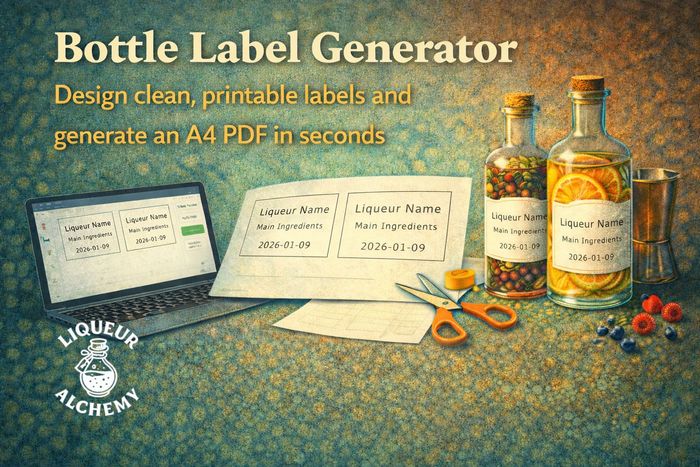
Bottle Label Generator preview

Bottle Label Generator

Create clean bottle labels with your liqueur name, batch details, date — ready for printing and gifting.
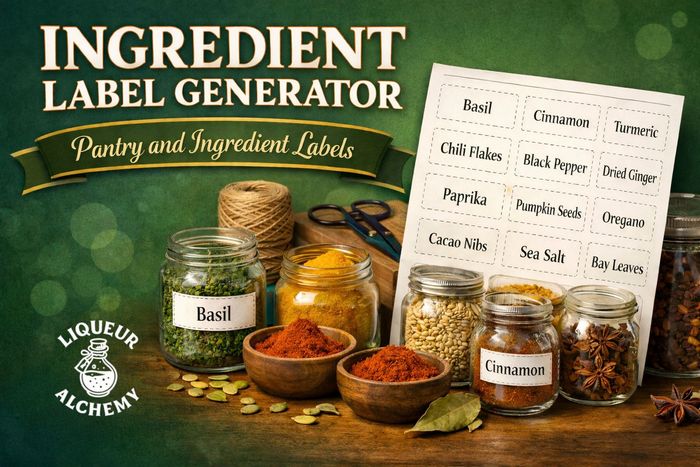
Ingredient Label Generator preview

Ingredient Label Generator

Label jars, containers, and storage bags to maintain clear organization from preparation through infusion and serving.
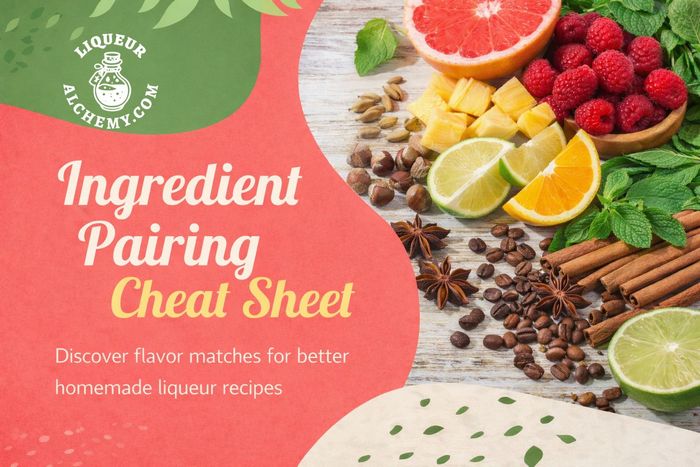
Ingredient pairing cheat sheet for creating balanced homemade liqueurs

Ingredient Pairing Cheat Sheet

Discover flavor combinations that create balanced, complex, and unique homemade liqueurs.