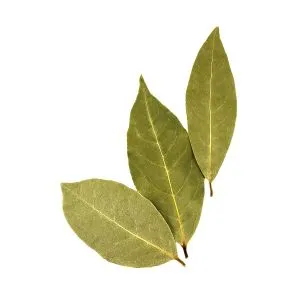
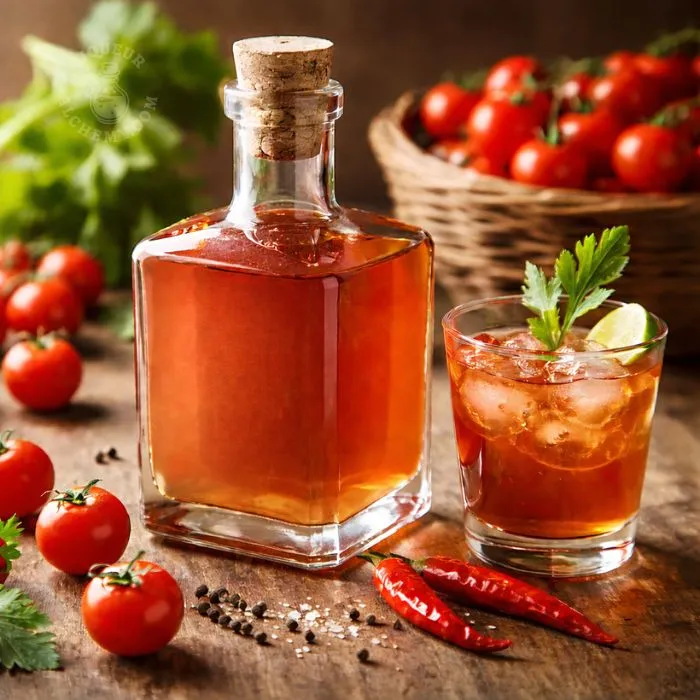
Bay Leaf

Bay Leaf for Liqueur Infusions – Herbal Depth, Use & Pairings

Bay leaf contributes a distinctive herbal-resin aroma with gentle bitterness and a savory, tea-like dryness that can make liqueurs feel more structured. In small doses it sharpens citrus, deepens spice blends, and keeps sweet profiles from becoming cloying, especially in rum or brandy bases. Because bay can turn woody or medicinal, use brief infusions and taste often. Excellent in winter-style liqueurs, bitters, and culinary-leaning cordials with orange peel, cinnamon, clove, and vanilla.

Bay Leaf

Home / Ingredients / Herbs / Bay Leaf

Bay Leaf Flavor Profile

Resinous herbal aroma, eucalyptus-like lift, tea-like bitterness, savory dryness, subtle warm spice.

Bay Leaf Impact on Liqueurs

Adds structure and herbal depth, reducing cloying sweetness and enhancing complex spice-driven liqueurs.

How to Use Bay Leaf?

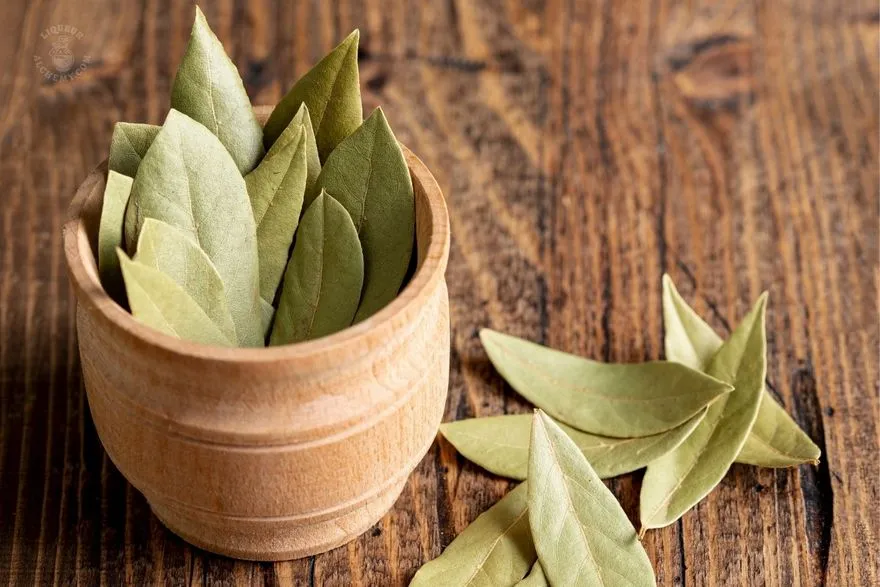
Use dried leaves; 1–3 leaves per 1 L. Infuse 2–7 days in vodka, rum, or brandy; strain early if woody.

Bay Leaf Pairing Suggestions

Brandy, Brown Sugar, Cinnamon, Clove, Orange Peel, Vanilla, Honey, Nutmeg
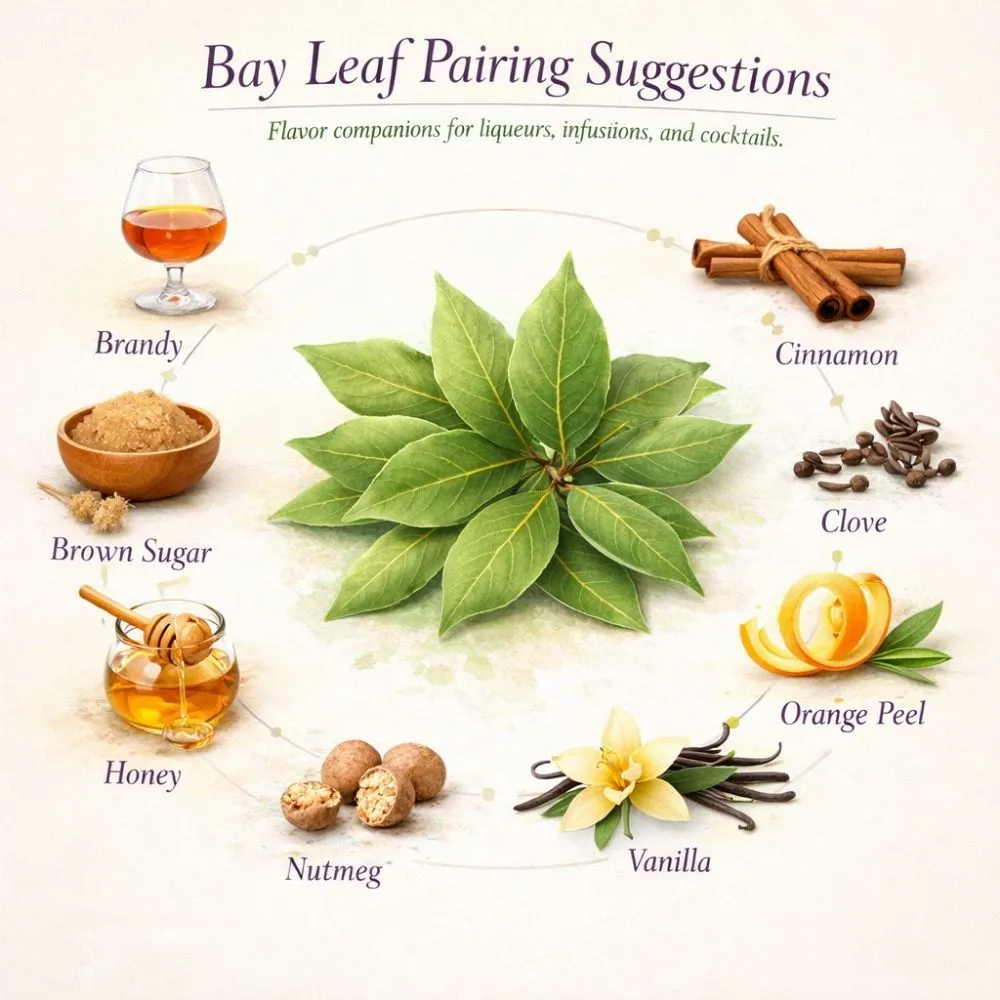
Bay Leaf pairing suggestions for liqueur making

Bay Leaf FAQ


Bay leaf is surprisingly strong and can turn savory-fast, so start tiny. Use 1 small dried bay leaf per liter at 40–50% ABV (or even half). Taste at 6–12 hours; many bay infusions are ready within 12–48 hours.

For control, steep bay leaf separately as a tincture and dose by drops into your finished liqueur. Bay works best as a background herb in citrus, honey, or dark-spice profiles—not as a main flavor.

Common mistakes include leaving bay for weeks and combining with heavy savory spices (cumin/mustard). Flavor impact should be herbal, slightly floral, and warm. Store bay leaves airtight; old bay tastes dusty and woody.

Bay leaf pairs with orange and lemon zest, honey, vanilla, and warm spices like cinnamon (light) or cardamom. It can also add a grown-up herbal edge to berry or plum liqueurs if kept subtle.

Timing: infuse fruit first, strain, then add bay briefly at the end (12–24 hours). Or dose a bay tincture into the finished blend while tasting.

Common mistakes include pairing bay with too much clove or using multiple savory spices together. Flavor impact should be aromatic and elegant. Store cool and dark; bay integrates nicely after a week of rest.

The optimal extraction time for bay leaves in liqueur making generally ranges from 5 to 14 days. This duration allows the essential oils and flavors to infuse properly into the base spirit. A shorter infusion may result in a milder flavor, while a longer one can lead to a more intense herbal note.

During the extraction process, it’s crucial to taste the liqueur periodically. This will help you determine when the flavor reaches your desired profile. The aromatic compounds in bay leaves can become bitter if left too long, so monitoring is key to achieving balance.

Once the desired flavor is achieved, it’s best to strain out the bay leaves promptly. This prevents over-extraction and ensures the final product maintains a pleasant taste, allowing the bay leaf's unique characteristics to shine through without overwhelming the liqueur.

Yes, you can use other herbs as substitutes for bay leaves in your liqueur recipes. For instance, rosemary can provide a robust flavor that pairs well with many liqueurs. Use it in moderation, as its strong taste can dominate the blend.

Sage is another alternative that can be used in place of bay leaves. It adds a warm, savory note that can enhance the complexity of your liqueur. Like rosemary, it should be used sparingly to avoid overwhelming the other flavors.

Lastly, consider using a pinch of dill. While it has a distinct flavor, it can add an interesting layer to your liqueur. Experiment with small amounts to find the right balance for your recipe.

The dosage of bay leaves in liqueur making can vary based on personal preference and the recipe. A general guideline is to use one to two dried bay leaves for every quart of liquid. This amount provides a balanced flavor without overpowering the other ingredients.

If you prefer a stronger bay leaf flavor, you can increase the dosage slightly, but be cautious as too much can lead to bitterness. For fresh bay leaves, one leaf per quart is often sufficient due to their more intense flavor profile.

Always remember to taste your infusion regularly. Adjusting the quantity based on your palate will help you achieve the perfect balance in your liqueur.
Bay Leaf
Bay Leaf in Liqueur Crafting

More Herbs


RELATED RECIPES OF LIQUEUR ALCHEMY


Explore more creations from Liqueur Alchemy that share similar flavours, techniques, or ingredients. These related recipes offer fresh ideas and inspired combinations to help you craft your next bold, homemade spirit.

LIQUEUR ALCHEMY TOOLS & RESOURCES


Design labels in minutes—beautiful, practical, and ready to print. Choose a tool below to generate bottle or ingredient labels that match your Liqueur Alchemy workflow.
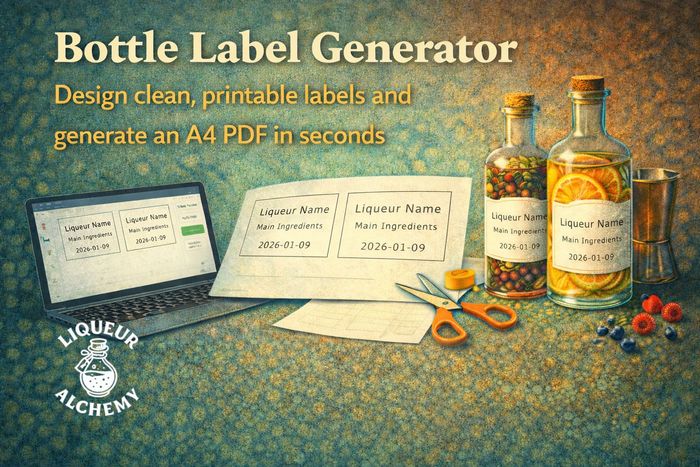
Bottle Label Generator preview

Bottle Label Generator

Create clean bottle labels with your liqueur name, batch details, date — ready for printing and gifting.
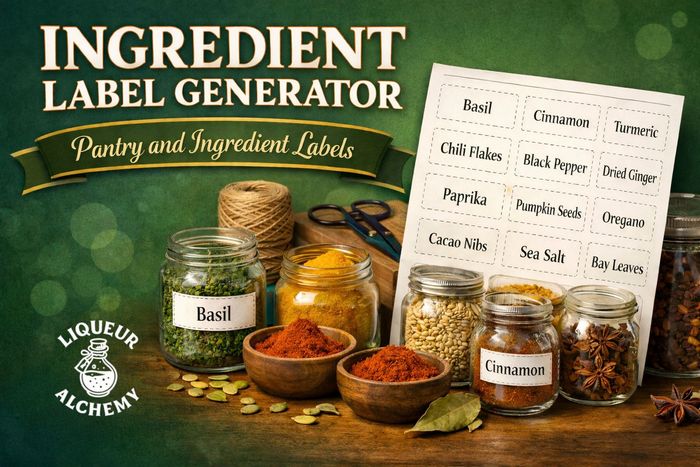
Ingredient Label Generator preview

Ingredient Label Generator

Label jars, containers, and storage bags to maintain clear organization from preparation through infusion and serving.
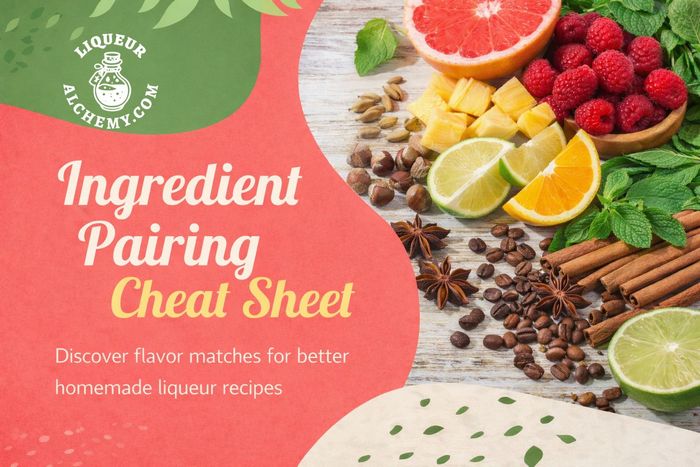
Ingredient pairing cheat sheet for creating balanced homemade liqueurs

Ingredient Pairing Cheat Sheet

Discover flavor combinations that create balanced, complex, and unique homemade liqueurs.