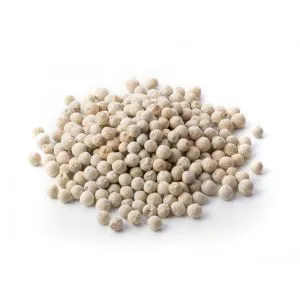
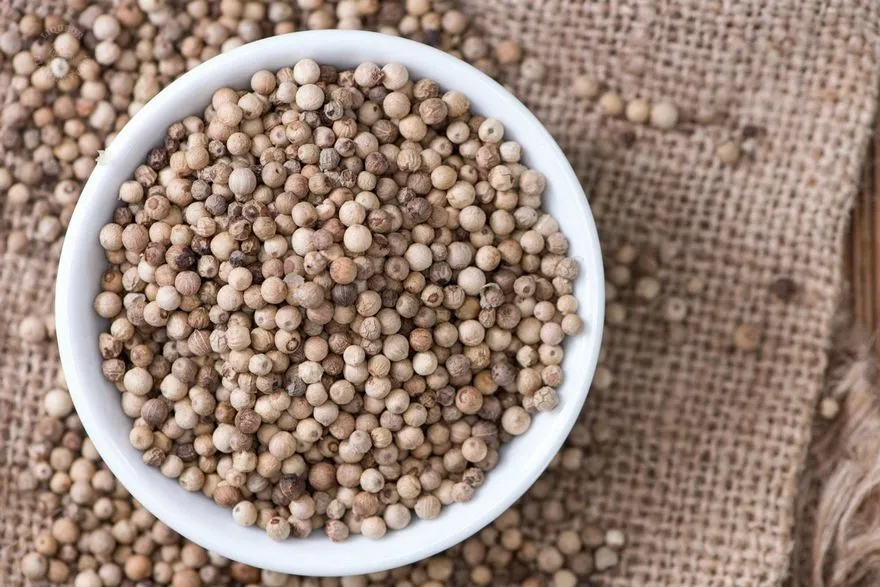
Peppercorns (White)

Peppercorns (White) for Liqueur Infusions – Flavor & Pairing Tips

White peppercorns provide a more delicate and nuanced spice than their black counterparts, offering subtle heat with earthy and slightly fermented undertones. Their restrained aroma allows other ingredients to shine while contributing a refined, lingering warmth that enhances balance and depth. Ideal for citrus, herbal, or creamy liqueurs, white peppercorns introduce sophistication and a faintly savory edge that elevates both aroma and finish.

Peppercorns (White)

Home / Ingredients / Spices & Aromatics / Peppercorns (White)

Peppercorns (White) Flavor Profile

Clean pepper heat, earthy spice with less pungent aroma.
Peppercorns (White) Impact on Liqueurs

Adds gentle warmth without overpowering aroma.

How to Use Peppercorns (White)?

Use whole; 8–15 peppercorns per 1 L. Infuse 5–10 days in vodka.

Peppercorns (White) Pairing Suggestions

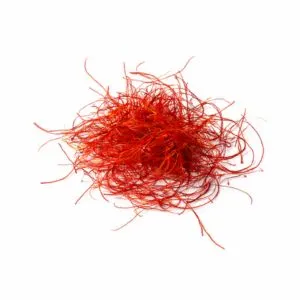
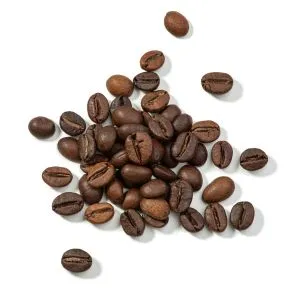
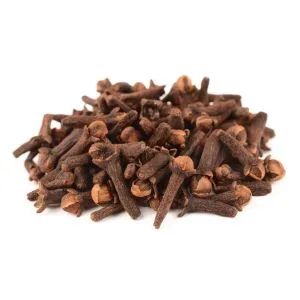
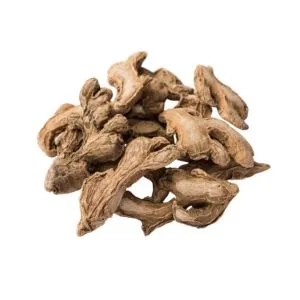
Vodka, White Sugar, Lemon, Ginger, Garlic, Thyme, Rosemary, Honey
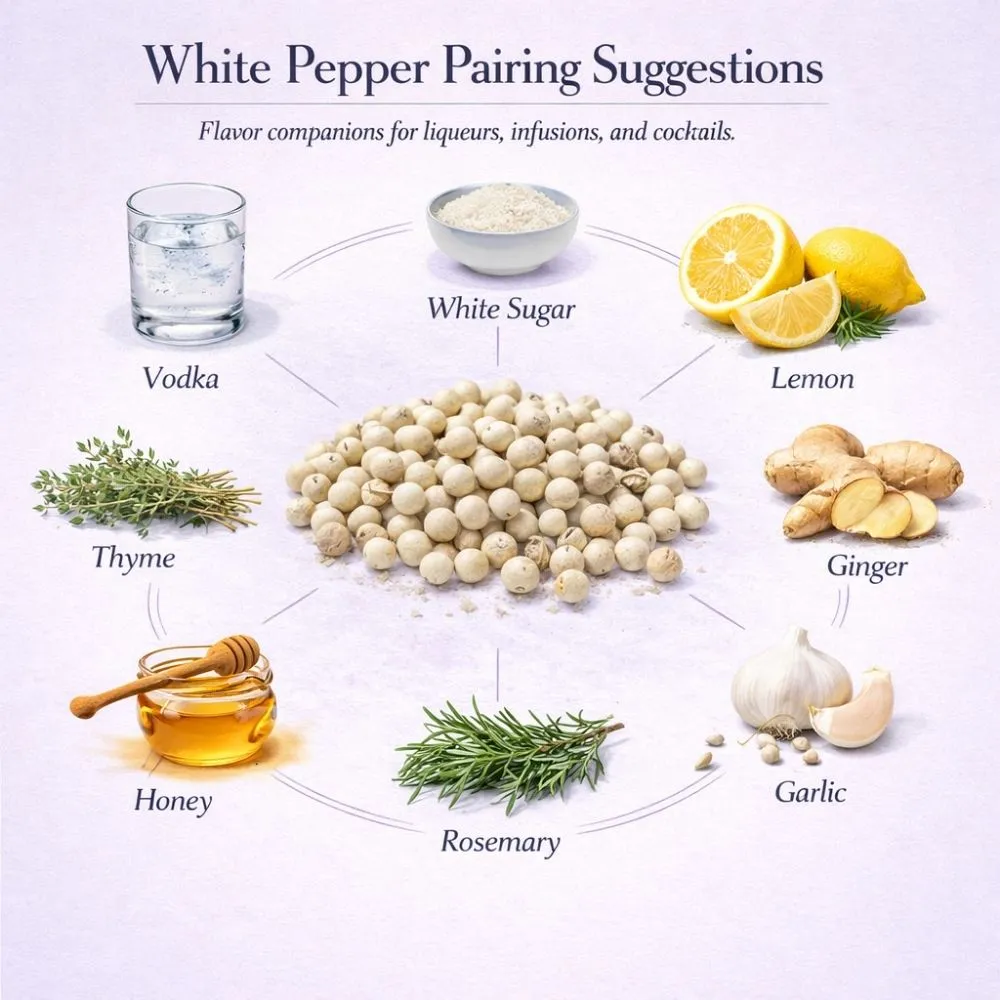
Peppercorns (White) pairing suggestions for liqueur making

Peppercorns (White) FAQ


White pepper is punchy, earthy, and can read savory if overdone. Start tiny: 6–12 peppercorns per liter, lightly cracked, in 40–50% ABV. Taste after 6–12 hours; many liqueurs only need 12–36 hours for a gentle warming lift.

Pepper works best as a background “spark” for fruits like mango, pear, citrus, or for honey-based liqueurs. Add it late or steep separately as a pepper tincture so you can dose precisely. If you want aroma without heat, keep the peppercorns whole and steep shorter.

Common mistakes: crushing too fine, leaving it for days, and pairing with too many other spices. If you overdo it, strain immediately and blend down; sweetness helps but won’t remove the savory note. Store peppercorns airtight; stale white pepper tastes musty and dull.

After straining is usually safer. Fruits often need days; white pepper often needs hours. Adding pepper late lets you dial in warmth without risking a savory takeover during a long fruit steep.

A good workflow is: macerate fruit, strain, sweeten lightly, then add peppercorns for 6–24 hours and taste regularly. If you prefer precision, make a pepper tincture (peppercorns in high-proof alcohol) and dose by drops until the finish has a gentle heat.

Common mistakes: adding pepper at day one and forgetting it, or using too much alongside other warming spices like clove. Flavor impact should be a clean, tingling lift and a longer finish. Store away from heat; pepper heat can feel sharper as the liqueur ages.

Yes, white pepper extracts differently depending on alcohol strength. Higher-proof spirits tend to pull more of the dry, sharp, penetrating compounds from the pepper, creating a cleaner but more aggressive spice profile. This can be useful when the recipe needs structure and lift, but it increases the risk of over-extraction.

Lower-proof spirits usually extract white pepper more softly and gradually. The result is often rounder, less piercing, and slightly more integrated with other ingredients. In fruit liqueurs or sweeter builds, this softer extraction can be easier to control and better balanced.

If using high-proof alcohol, reduce either the dosage or the steeping time. If using vodka around standard bottling strength, you may be able to leave the pepper in slightly longer. The choice depends on whether you want white pepper to whisper in the background or stand out as a clear aromatic note.

Replacing white pepper with black pepper changes the liqueur immediately toward a darker, more robust spice profile. Black pepper contributes more resinous, woody, and sometimes citrus-peel-like notes, but it usually feels heavier and less refined than white pepper. In pale or delicate liqueurs, it can mask subtler ingredients more easily.

Long pepper shifts the flavor in a different direction. It still gives warmth, but it often tastes sweeter, rounder, and more layered, with hints that can feel earthy, floral, or slightly cocoa-like depending on the recipe. That makes it attractive in richer liqueurs with dried fruit, vanilla, cinnamon, or dark spirits.

White pepper is usually chosen when the goal is clean spice with less visual impact and less dark pepper character. Black pepper makes the liqueur bolder, while long pepper makes it more exotic and deep. The substitution can work well, but it changes the personality rather than simply replacing one pepper with another.

View this Ingredient FAQ as a standalone page

White pepper can start to dominate a liqueur surprisingly quickly, especially if crushed or infused in higher-proof alcohol. In many recipes, noticeable extraction appears within one to three days, and by day four or five the spice may already be close to its ideal point. Leaving it much longer can push the flavor from elegant warmth into dry, sharp bitterness.

Whole peppercorns are more forgiving and may allow a slightly longer window. Even so, white pepper is not usually a botanical that benefits from long maceration. Its most attractive contribution is often the early aromatic lift rather than heavy late extraction.

A practical rule is to begin tasting after the first 24 hours and then every day after that. Remove the pepper as soon as the liqueur reaches a balanced level of warmth. If the recipe includes softer ingredients such as fruit or vanilla, early removal is usually safer than waiting too long.
Peppercorns (White)
Peppercorns (White) in Liqueur Crafting

More Spices & Aromatics


RELATED RECIPES OF LIQUEUR ALCHEMY


Explore more creations from Liqueur Alchemy that share similar flavours, techniques, or ingredients. These related recipes offer fresh ideas and inspired combinations to help you craft your next bold, homemade spirit.

LIQUEUR ALCHEMY TOOLS & RESOURCES


Design labels in minutes—beautiful, practical, and ready to print. Choose a tool below to generate bottle or ingredient labels that match your Liqueur Alchemy workflow.
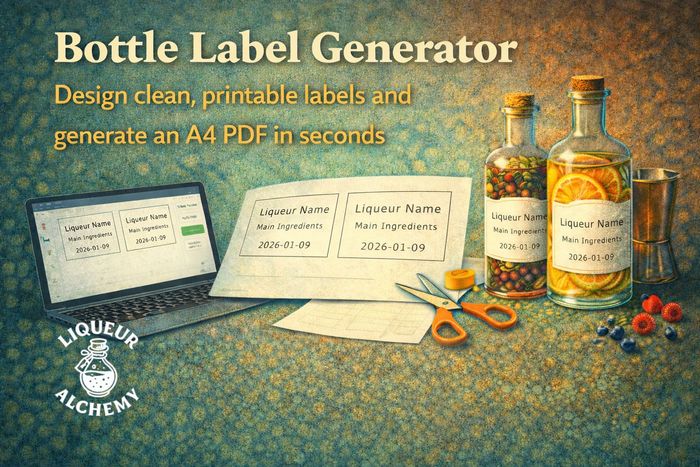
Bottle Label Generator preview

Bottle Label Generator

Create clean bottle labels with your liqueur name, batch details, date — ready for printing and gifting.
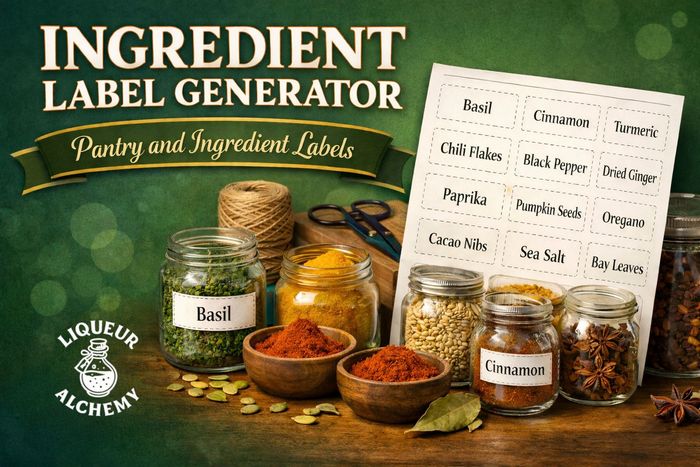
Ingredient Label Generator preview

Ingredient Label Generator

Label jars, containers, and storage bags to maintain clear organization from preparation through infusion and serving.
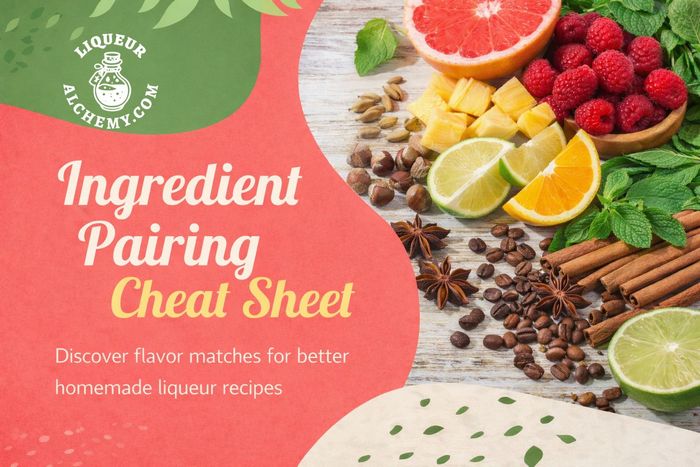
Ingredient pairing cheat sheet for creating balanced homemade liqueurs

Ingredient Pairing Cheat Sheet

Discover flavor combinations that create balanced, complex, and unique homemade liqueurs.