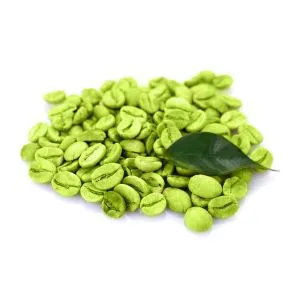
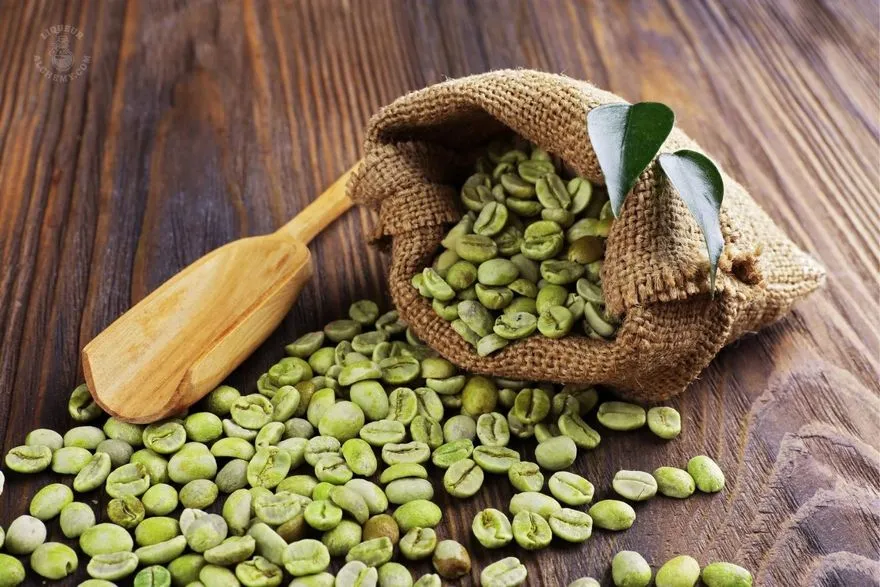
Coffee Beans (Green)

Coffee Beans (Green) for Liqueur Infusions – Flavor & Pairing Tips

Green coffee beans, unroasted and naturally vibrant, offer a distinctively fresh aroma with subtle grassy and nutty undertones. Their gentle bitterness contrasts beautifully with sweetness, creating balanced and refined liqueurs. When infused, they lend a pale golden hue, light body, and delicate vegetal warmth that enhances citrus, vanilla, or herbal notes. Perfect for modern spirits seeking clean energy, clarity, and sophistication.

Coffee Beans (Green)

Home / Ingredients / Spices & Aromatics / Coffee Beans (Green)

Coffee Beans (Green) Flavor Profile

Grassy, herbal coffee notes with light acidity and subtle bitterness.
Coffee Beans (Green) Impact on Liqueurs

Adds fresh, tea-like bitterness and complexity; less heavy than roasted coffee.

How to Use Coffee Beans (Green)?

Use lightly crushed beans; 30–60 g per 1 L. Infuse 5–10 days in vodka; monitor closely.

Coffee Beans (Green) Pairing Suggestions

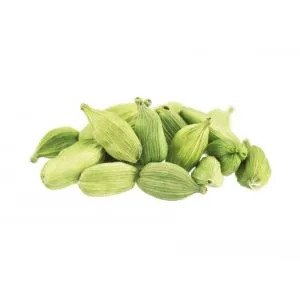
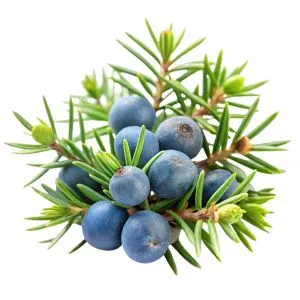
Vodka, White Sugar, Cardamom, Ginger, Citrus Peel, Honey, Cinnamon, Clove
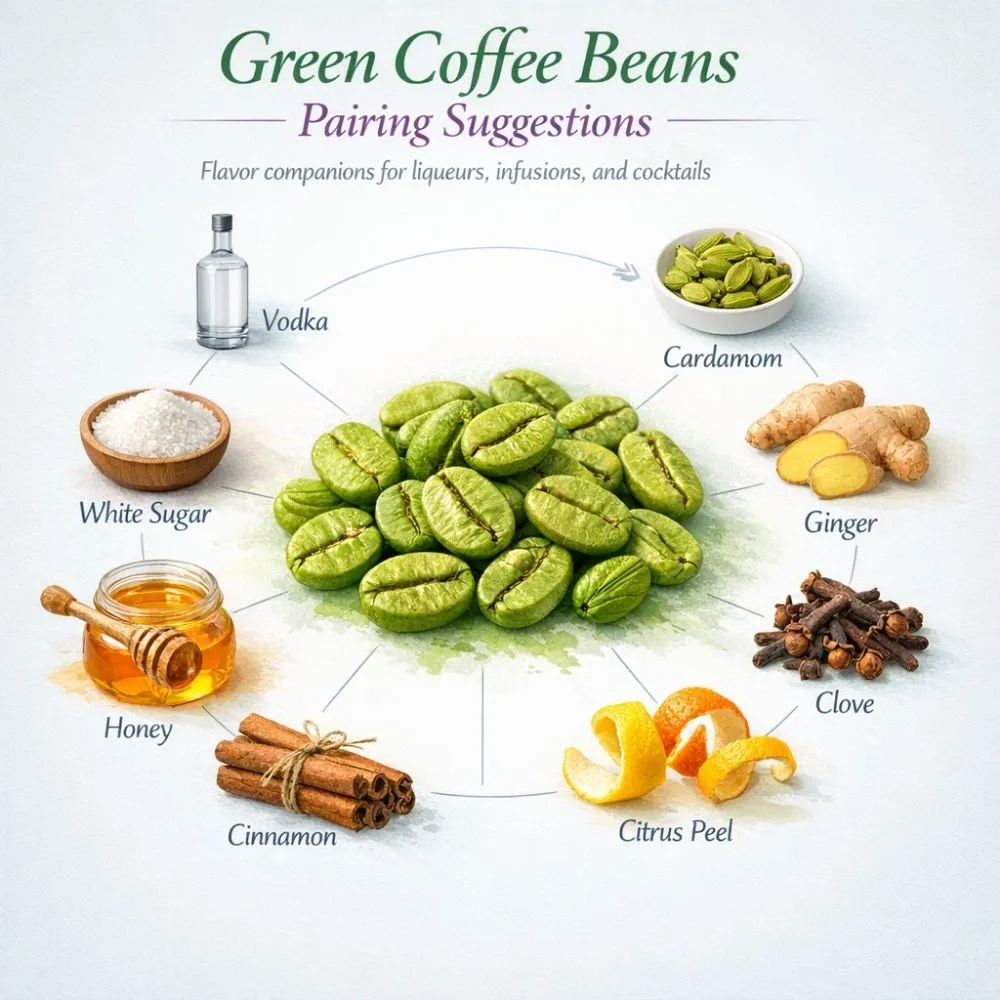
Coffee Beans (Green) pairing suggestions for liqueur making

Coffee Beans (Green) FAQ


Green coffee has herbal, nutty, slightly peppery notes and can get harsh if over-extracted. Lightly crack or coarsely crush (don’t powder), and use higher-proof spirit (50–60% ABV) to pull aroma efficiently with shorter contact. Start with a small dose—10–20 g per liter—and taste daily.

Timing is the biggest lever: 12–48 hours often gives plenty of character, while 3–7 days can become aggressively bitter and astringent. Once you hit the flavor you like, strain immediately and only then add sweetener. If you want more “coffee” while staying smooth, blend a tiny amount of roasted coffee infusion into the green coffee base.

Common mistakes: leaving beans too long, using fine grounds (muddy filtration), and adding sweetener too early (harder to judge extraction). Flavor impact is herbal coffee‑tea, great with citrus peel, vanilla, or cacao nibs—added in micro-doses. Store dark and cool; green coffee notes fade faster than roasted, so drink within a few months for peak aroma.

View this Ingredient FAQ as a standalone page

A sour/vegetal edge usually means you extracted too much chlorogenic bite or used beans that were old or stored poorly. Fix the process first: use fresher green beans, keep the steep short (hours, not days), and avoid warm temperatures. A higher-proof base and lower dosage often gives cleaner aroma.

To fix a batch, blend it down with neutral spirit and add sweetness gradually; sugar rounds the sharp edges. A small amount of vanilla or cacao can also soften the green, planty top notes. If it’s still harsh, a tiny pinch of salt and a controlled acid adjustment (just a few drops of citric solution) can improve perceived balance.

Common mistakes include crushing too fine and leaving lots of headspace (oxidation). Filter well, rest 1–2 weeks, and re-taste; green coffee needs integration. Store in the dark and consider smaller bottles to reduce oxygen exposure after opening.

Several factors play a crucial role in the extraction of flavors from green coffee beans during liqueur production. The size of the coffee bean particles can affect the surface area exposed to the alcohol, influencing how quickly flavors are released. Finer grinds typically yield faster extraction, while coarser grinds may take longer.

The temperature of the alcohol used for extraction is another key factor. Warmer temperatures facilitate the release of volatile compounds and oils, enhancing the flavor profile. However, too much heat can lead to undesirable bitterness, so finding the right balance is essential for optimal results.

Lastly, the duration of the infusion is critical. A longer infusion time can deepen the flavor complexity, but it can also lead to over-extraction if not monitored closely. Experimenting with these variables will help you achieve the desired flavor profile in your liqueur.

The recommended dosage of green coffee beans varies depending on the desired strength of flavor. A general guideline is to use 50 to 100 grams per liter of base spirit. This range allows for a balanced infusion without overwhelming the other flavors.

It's important to start with a smaller amount if you're new to using coffee beans. You can always adjust the dosage in future batches based on your taste preferences. Remember that the flavor will intensify over time, so less can be more.

Keep in mind that the type of coffee bean can also affect the flavor profile. Experimenting with different varieties may lead to unique and exciting results in your liqueur.

Yes, there are several non-coffee alternatives you can use in liqueur making. For a similar depth of flavor, consider using cacao nibs or chocolate extracts, which can provide a rich, chocolatey essence that pairs well with various spirits. This can create a delightful twist on traditional coffee liqueurs.

Another option is to use herbal infusions, such as roasted barley or dandelion root. These ingredients can offer a unique, earthy flavor that can mimic some of the roasted notes found in coffee. They are also caffeine-free, making them suitable for those who want to avoid stimulants.

Finally, vanilla beans or extracts can enhance the sweetness and complexity of your liqueur. While they won't replicate the coffee flavor, they can create a harmonious blend when combined with other ingredients, adding a delightful aromatic quality to your final product.
Coffee Beans (Green)
Coffee Beans (Green) in Liqueur Crafting

More Spices & Aromatics


LIQUEUR ALCHEMY TOOLS & RESOURCES


Design labels in minutes—beautiful, practical, and ready to print. Choose a tool below to generate bottle or ingredient labels that match your Liqueur Alchemy workflow.
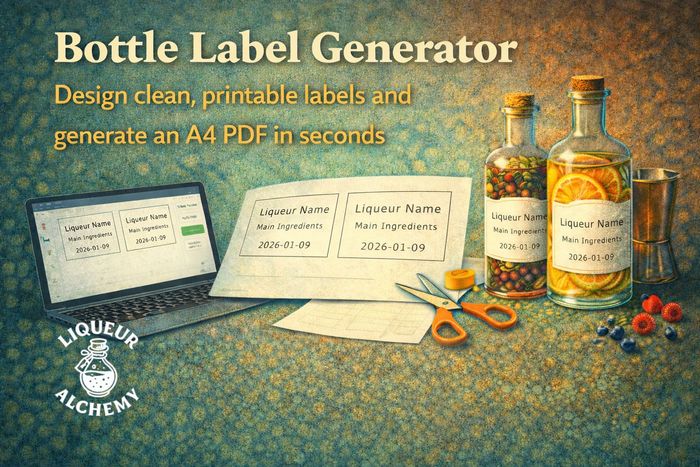
Bottle Label Generator preview

Bottle Label Generator

Create clean bottle labels with your liqueur name, batch details, date — ready for printing and gifting.
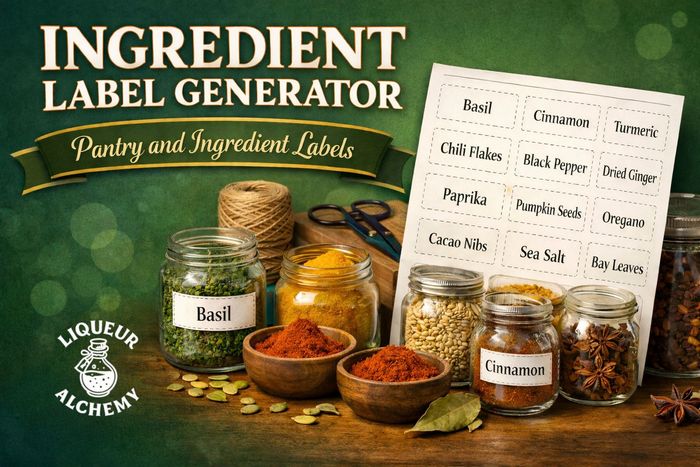
Ingredient Label Generator preview

Ingredient Label Generator

Label jars, containers, and storage bags to maintain clear organization from preparation through infusion and serving.
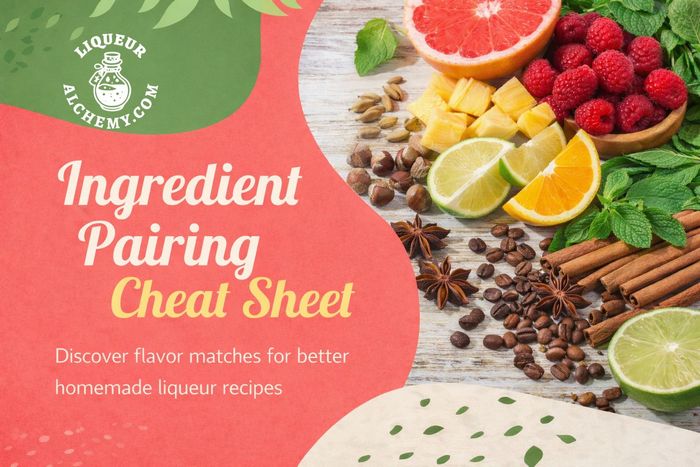
Ingredient pairing cheat sheet for creating balanced homemade liqueurs

Ingredient Pairing Cheat Sheet

Discover flavor combinations that create balanced, complex, and unique homemade liqueurs.