How does substituting black pepper or long pepper change the flavor of a white pepper liqueur?
Using Herbs Spices and Botanicals in Liqueurs
Direct Answer
Black pepper makes a liqueur darker and bolder, while long pepper adds sweeter, deeper warmth. Neither tastes exactly like white pepper, so the overall style changes.
Expanded Explanation
Replacing white pepper with black pepper changes the liqueur immediately toward a darker, more robust spice profile. Black pepper contributes more resinous, woody, and sometimes citrus-peel-like notes, but it usually feels heavier and less refined than white pepper. In pale or delicate liqueurs, it can mask subtler ingredients more easily.
Long pepper shifts the flavor in a different direction. It still gives warmth, but it often tastes sweeter, rounder, and more layered, with hints that can feel earthy, floral, or slightly cocoa-like depending on the recipe. That makes it attractive in richer liqueurs with dried fruit, vanilla, cinnamon, or dark spirits.
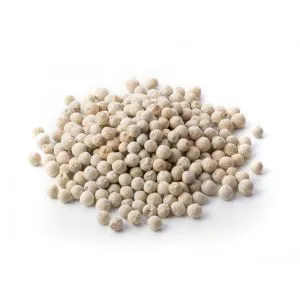
White pepper is usually chosen when the goal is clean spice with less visual impact and less dark pepper character. Black pepper makes the liqueur bolder, while long pepper makes it more exotic and deep. The substitution can work well, but it changes the personality rather than simply replacing one pepper with another.