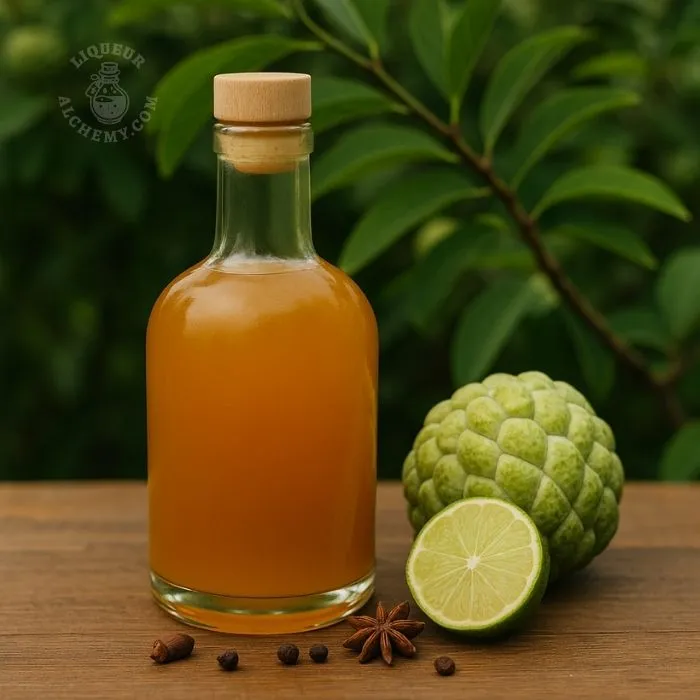
Zest Nam

Zest Nam – Vietnamese Key Lime & Gin Liqueur with Spice Lift

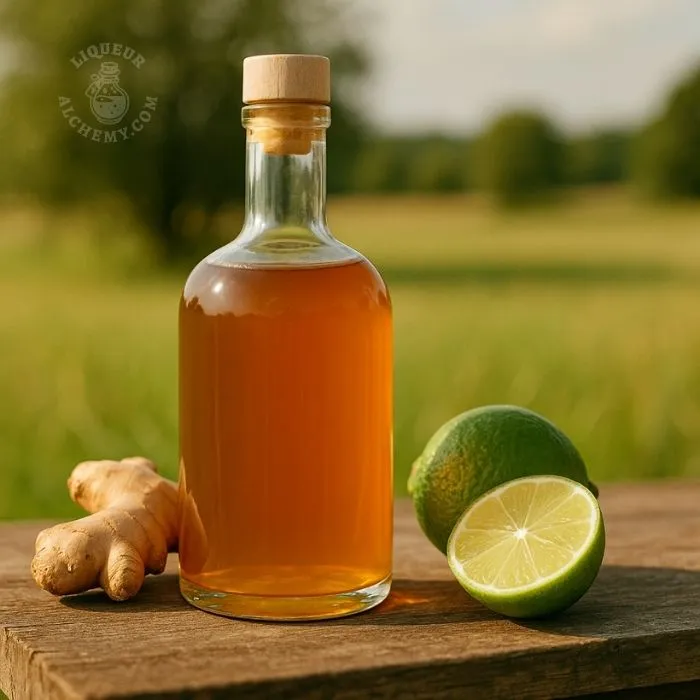
Zest Nam is a bright, citrus-driven liqueur combining gin with Vietnamese key limes, honey, and subtle spices. It delivers fresh lime intensity layered with botanical depth, gentle warmth from ginger and cardamom, and a crisp, slightly peppery finish. Clean, vibrant, and refreshing with a balanced sweetness.

Main notes

  • Gin
  • Key Limes

Ingredients

  • Gin – 1 L
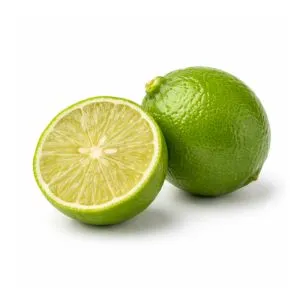
  • Key Limes – 300 g (halved)
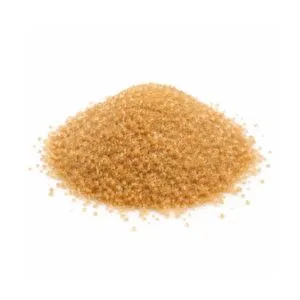
  • Cane sugar – 150 g
  • Honey – 60 g
  • Lime - 1 (Zest of 1/2)
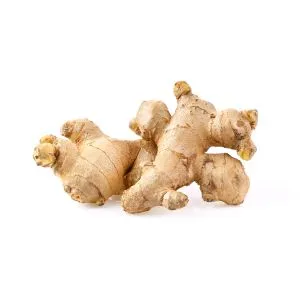
  • Ginger – 3 slices
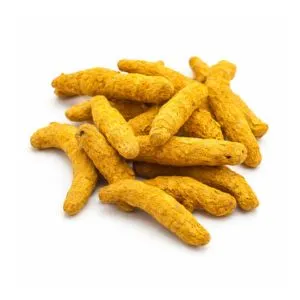
  • Dried Turmeric Root - 3 cm
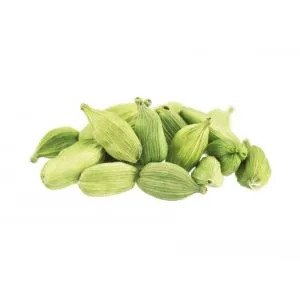
  • Cardamom - 1 pod
  • White pepper - small pinch

Preparation

  1. Wash and halve the key limes to expose juice and peel.
  2. Remove zest from half a lime, avoiding white pith.
  3. Place limes and zest into a clean glass jar.
  4. Add dried ginger root, cardamom pod (lightly crushed), and a pinch of white pepper.
  5. Pour in the gin, ensuring all ingredients are fully submerged.
  6. Seal and infuse in a cool, dark place for 3–5 days, shaking gently once daily.
  7. Taste from day 3; stop infusion when balance feels bright and not bitter.
  8. Strain thoroughly, then stir in cane sugar and honey until dissolved. Bottle and rest 3–5 days before serving.
Download

The Story

Zest Nam was born on humid Vietnamese afternoons where tiny key limes cut through the heat with electric brightness. Built on a clean gin base, this liqueur captures that moment when citrus oils burst into the air as the fruit is sliced open. The addition of honey softens the sharp edges, while ginger and cardamom bring a quiet warmth beneath the surface. A whisper of white pepper lifts the finish, giving it a subtle spark. Made in Vietnam from local gin and sun-ripened key limes, Zest Nam is both refreshing and expressive — a small bottle of tropical energy with a refined botanical core.

Who is "Zest Nam" Liqueur for?

For lovers of bright, citrus-forward spirits with a twist. Zest Nam suits curious drinkers who enjoy fresh, zesty profiles balanced by gentle spice. Perfect for those who appreciate clean, modern liqueurs with a tropical edge and a refined botanical character.

"Zest Nam" Liqueur Serving Suggestions

Serve chilled in a small glass or over ice to highlight its vibrant lime aroma. Ideal for warm evenings, light aperitif moments, or refreshing palate resets. A splash with soda enhances its crisp citrus lift beautifully.

Why the Name "Zest Nam"?

“Zest Nam” merges the vibrant citrus character of the liqueur with a clear nod to Vietnam. “Zest” captures both the literal lime peel oils and the energetic, lively flavor profile, while “Nam” anchors it geographically and culturally. The name is short, modern, and expressive — reflecting a drink that is sharp, fresh, and deeply connected to its tropical origin without feeling heavy or traditional.

Testing Notes

Key limes extract quickly, so infusion time is critical to avoid bitterness from the peel. Best balance was achieved around day 4. Honey rounds sharp acidity effectively, while too much ginger can dominate. A very small pinch of white pepper enhances brightness without becoming noticeable. Fine straining improves clarity and texture.

Zest Nam Liqueur FAQ


In this style of recipe, ginger, cardamom, and white pepper should usually come out at the same time as the limes. Because the total infusion is short, those spices are meant to support the citrus rather than dominate it. Once the lime tastes bright and complete, the spice contribution is generally sufficient as well.

White pepper is especially easy to overdo because even a small pinch can move from subtle lift to dry, woody heat. Cardamom can also become too perfumed if left too long, while dried ginger may shift from warm and clean to dusty or overly sharp. If the citrus seems to be fading behind the spice, it is a clear sign that the solids should be removed right away.

A common mistake is assuming mild spices need extra time because the jar still smells soft. In alcohol, spice structure often builds quietly and only becomes obvious after sweetening and resting. Straining all solids together when the lime is ready gives the cleanest result and keeps the final liqueur fresh rather than heavy.

View this Liqueur FAQ as a standalone page

Yes, regular limes can be used if key limes are unavailable, but the result will not be identical. Key limes usually bring a more concentrated aroma, a slightly floral edge, and a sharper citrus profile, while standard limes tend to taste broader, greener, and a little less perfumed. The liqueur can still work very well, but the balance may need small adjustments.

When substituting, reduce peel contact slightly at first because larger limes can contribute more pith if they are halved and infused in the same way. It is also wise to taste before adding the full amount of sweetener, since regular limes may produce a less piercing acidity and therefore need less honey or sugar to feel balanced. A small extra strip of fresh zest can help recover aroma if the finished infusion feels flat.

Another option is to combine regular lime with a little extra zest from a very fragrant lime rather than simply increasing fruit weight. Avoid compensating by leaving the fruit in the alcohol longer, because that usually increases bitterness more than brightness. The best substitution is usually careful tasting plus small sweetness corrections, not longer maceration.

View this Liqueur FAQ as a standalone page

Halved key limes extract very quickly because both the juice and peel are exposed to the spirit at the same time. In a gin infusion like this, the bright aromatic oils appear early, but so do bitterness and pithy notes if the fruit stays in too long. For most batches, the sweet spot is usually between 3 and 5 days.

Start tasting on day 3 rather than waiting until the end. Key limes are smaller, more aromatic, and often more intense than standard limes, so a batch can shift from lively to overly bitter quite fast. If the infusion starts tasting drying, sharp in the wrong way, or slightly medicinal, the peel has likely gone far enough and the solids should be removed immediately.

A common mistake is leaving the halved fruit in the jar because the aroma still smells attractive. Smell can stay pleasant even when bitterness is already building in the liquid. Strain as soon as the flavor feels bright, zesty, and clean, then add the sugar and honey only after the citrus solids are removed.

Cane sugar and honey do different jobs in a citrus-based liqueur. Cane sugar sweetens cleanly and lets the lime and gin stay clear, sharp, and bright, while honey rounds the edges and adds a softer, fuller texture. Used together, they can create a better balance than either one alone.

If the strained infusion tastes very tart, lean slightly more on honey to soften the attack and integrate the ginger and cardamom. If the batch already feels rich or floral, cane sugar is usually the safer way to raise sweetness without covering the fresh citrus character. The best method is to dissolve the sweeteners fully, then taste again after a short rest because sweetness perception changes once everything settles.

One common mistake is adding all sweetness at once based only on the written formula. Key limes vary a lot in acidity and bitterness, and gin brands vary in botanical intensity. If the finished batch feels sticky, the lime will seem dull; if it is too dry, the pepper and peel may stand out too much. Small adjustments after straining are what keep the balance precise.

View this Liqueur FAQ as a standalone page

A fresh lime infusion often tastes slightly disjointed immediately after straining and sweetening. The citrus can seem sharp, the gin botanicals can stand apart, and the honey may feel separate from the rest of the liquid. Resting the bottle for 3 to 5 days allows those elements to integrate and produces a rounder, more polished result.

During that short resting period, any tiny particles that passed through the filter may also settle, which improves clarity and texture. The liqueur usually tastes smoother after this pause, even when nothing else has been changed. If needed, a final gentle filtration after resting can make the finish cleaner and brighter.

Store the finished bottle tightly sealed in a cool, dark place away from sun and heat. Because fresh citrus is involved, many makers prefer refrigeration after bottling for extra freshness, especially in warm climates. Whether chilled or kept at room temperature, the key is to strain thoroughly before storage and keep oxygen exposure low.

RALETED RECIPES OF LIQUEUR ALCHEMY


Explore more creations from Liqueur Alchemy that share similar flavours, techniques, or ingredients. These related recipes offer fresh ideas and inspired combinations to help you craft your next bold, homemade spirit.