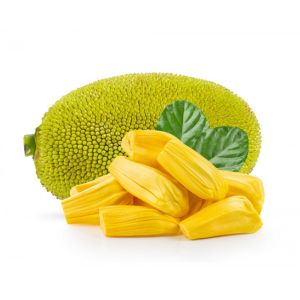
Jackfruit

Jackfruit in Liqueurs: Tropical Richness, Aroma, and Creamy Body

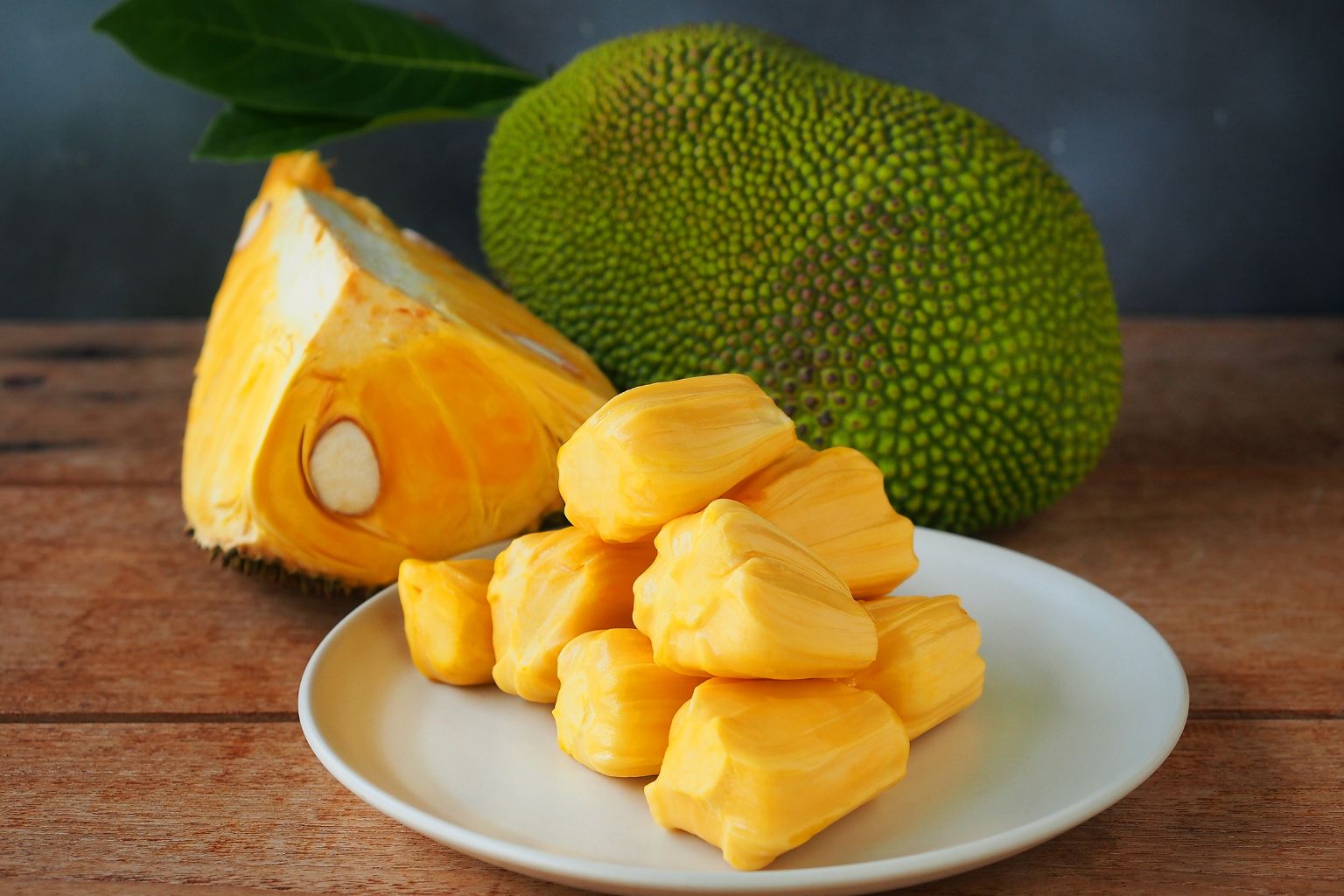
Jackfruit brings intense tropical aroma with notes of banana, pineapple, mango, and a slightly musky, candy-like richness. In liqueurs it adds juicy sweetness, soft texture, and a full fruit body that stands up well to spice and darker spirits. Because ripe jackfruit is aromatic and can become heavy if overused, careful dosage is important. It shines in vodka, rum, or rice spirit infusions, especially with ginger, chili, vanilla, and warm spices. Strain before the fruit turns overly soft, then rest the liqueur so its bold tropical profile integrates cleanly.

Jackfruit

Home / Ingredients / Fruits / Jackfruit

Jackfruit Flavor Profile

tropical, sweet, musky, juicy, banana-like, pineapple-like, rich

Jackfruit Impact on Liqueurs

Adds bold tropical sweetness, creamy body, and musky fruit depth; can feel heavy if over-extracted.

How to Use Jackfruit?

Use ripe flesh only and remove seeds and fibrous core. Start with 300–700 g per 1 L spirit. Infuse for 5–14 days, tasting regularly. Strain once aroma and fruit body peak, then sweeten gradually and rest 2–4 weeks.

Jackfruit Pairing Suggestions

Vodka, White Rum, Rice Spirit, Cane Sugar, Palm Sugar, Ginger, Vanilla, Chili, Cinnamon, Lime Zest
Jackfruit FAQ


Jackfruit extracts in a slightly unusual way because it combines high aromatic intensity with a thick, fleshy texture. Many tropical fruits, such as pineapple or mango, give a cleaner, more direct fruit profile in alcohol, but jackfruit releases a broader mix of banana-like, melon-like, candy-like, and musky notes. That means it can seem expressive very early in the infusion, even before the alcohol has fully drawn out the deeper fruit character. The first days often emphasize perfume and ripe sweetness, while later days bring heavier body and a denser tropical impression.

Another difference is that jackfruit can become “thick” in flavor faster than expected. Some fruits stay bright as they infuse longer, but jackfruit tends to move from fresh and juicy toward rich and almost syrupy if left too long. Because of that, it often benefits from more frequent tasting than fruits with a simpler extraction curve. Thin slices usually extract more evenly than large chunks, and a neutral or lightly characterful spirit helps keep the profile readable rather than muddy. If the fruit is very ripe, extraction can feel faster still.

This is why jackfruit should be treated as a bold tropical ingredient rather than a mild fruit base. It gives strong aroma, broad body, and a distinctive ripe-fruit weight that can dominate a bottle if the dosage is too high or the timing is too long. Compared with other tropical fruits, it usually needs more attention during maceration, earlier tasting checkpoints, and a clearer plan for balance. Used carefully, that difference becomes a strength, because jackfruit can create a liqueur with a particularly lush and memorable character.

If you want to replace jackfruit in a homemade liqueur, the best substitutes depend on which part of its character you are trying to keep. For soft tropical sweetness and body, ripe mango is often the closest easy option, though it is usually cleaner and less musky. For perfumed tropical aroma, lychee or rambutan can work well, especially when you want something lighter and more floral. If you want a more robust, richer tropical base, very ripe banana can contribute body, but it behaves differently and can become heavy quickly. Pineapple can replace the bright tropical energy, though it is sharper and less creamy than jackfruit.

A more useful way to think about substitution is in layers. Jackfruit often brings sweetness, breadth, and a slightly funky tropical complexity all at once. Very few fruits do exactly the same job by themselves. That means a combination can work better than a single direct replacement. Mango plus a little pineapple can mimic both roundness and lift. Rambutan or lychee plus a touch of banana can bring perfume and softness. Even papaya can help with body if used carefully, though it is usually milder in aroma. The spirit base and sweetener will also influence how convincing the substitute feels in the final liqueur.

The key is to decide whether you need jackfruit’s richness, its aroma, or its tropical identity. If your recipe depends on big, lush tropical body, mango is often the most practical substitute. If it depends on perfume and freshness, lychee or rambutan may be better. If it depends on the full ripe-tropical effect, blending two fruits is usually smarter than forcing one fruit to do everything. That approach keeps the liqueur balanced while preserving the sense of tropical depth that made jackfruit attractive in the first place.

Jackfruit is usually best infused for a shorter period than people expect, especially when the fruit is fully ripe and aromatic. A common working range is about five to fourteen days, but the real answer depends on the fruit itself, the size of the pieces, the spirit, and the style of liqueur you want. Thin slices in vodka or rice spirit can release noticeable aroma very quickly, sometimes within only a few days. Larger pieces or a less ripe fruit may take longer. Because jackfruit can move from lively to heavy fairly fast, there is no single fixed timeline that works for every batch.

The safest method is to treat time as a guide, not a rule. Start tasting early, often around day three or four, and continue every day or two after that. At first, you are looking for the point where the liqueur smells clearly of jackfruit without becoming dense or muddled. Once the aroma broadens too much or starts losing freshness, the best extraction window may already be closing. Many homemade infusions are at their best before the fruit has fully collapsed. Waiting for the fruit to give “everything” often means extracting more weight than beauty.

For optimal flavor extraction, the target is not maximum strength but best balance. Most successful jackfruit liqueurs are strained when they still feel vibrant and clean, then allowed to rest after sweetening. Resting often rounds off sharp transitions and deepens the tropical character without more contact time on the fruit. If you are unsure, split the infusion and strain part of it early. Blending later gives more control than trying to rescue an over-extracted batch. With jackfruit, good timing is really about capturing freshness before richness becomes too dominant.

Jackfruit liqueur can taste overly heavy or artificial when the fruit is over-extracted, over-dosed, or paired with sweetness that pushes it into a candy-like direction. Jackfruit already has a naturally intense aroma that can remind people of confectionery, gum, or tropical candy when concentrated in alcohol. That is part of its charm, but it also means the line between expressive and excessive is thinner than with many other fruits. If too much fruit is used, or if the infusion runs too long, the result can lose freshness and start feeling thick, perfume-like, or oddly manufactured.

Sweetening choices can amplify that problem. A very high sugar level, especially added too quickly, can make the fruit seem flatter and more artificial rather than more luxurious. Some bold sweeteners can also blur the fruit profile instead of supporting it. Another factor is fruit quality. Very ripe jackfruit can be wonderful, but fruit that is overripe, dull, or starting to ferment slightly may create off impressions that read as synthetic rather than naturally tropical. Storage conditions matter too. Heat and oxygen can dull top notes and leave behind only the heavier aspects of the fruit.

To prevent this, use a moderate amount of good-quality ripe fruit, taste early, and strain at the point of best aroma rather than deepest extraction. Sweeten gradually and allow the bottle to rest before judging the balance. If the liqueur already feels too heavy, blending with a cleaner unsweetened batch or adding a little citrus zest character can sometimes restore lift. Jackfruit works best when its lushness is framed by freshness. Without that structure, the same bold profile that makes it exciting can drift into something clumsy or artificial.

Jackfruit adds a lush, ripe tropical profile that often combines notes of banana, pineapple, mango, melon, and a slightly musky sweetness. In liqueurs, it tends to feel broad and generous rather than sharp or crisp. That gives it a very different role from citrus or tart berries. Instead of bringing lift through acidity, jackfruit brings roundness, fruit weight, and an almost creamy tropical impression. Depending on the fruit, it can lean more candy-like, more floral, or more dense and syrupy, which is why tasting the raw fruit first is so important.

Beyond flavor alone, jackfruit influences the emotional style of a liqueur. It makes a bottle feel abundant, soft, and warm. Even when used in a restrained way, it usually reads as a statement ingredient rather than a background note. In a neutral spirit, the fruit can seem especially vivid and direct. In rum or rice spirit, it can feel richer and more integrated. Sweetening choices then shape whether the final liqueur feels fresh and tropical or dessert-like and heavy. That broad stylistic range is one reason jackfruit is so interesting in homemade recipes.

The most attractive versions usually keep some contrast around the fruit. Jackfruit on its own can be beautiful, but it often benefits from structure such as spice warmth, a touch of citrus brightness, or careful sweetness control. Those supporting elements do not replace the fruit profile. They frame it. At its best, jackfruit creates a liqueur that feels tropical, rounded, expressive, and memorable. At its worst, it can feel too thick or too obvious. The flavor profile is therefore not just about the fruit itself, but about how its richness is balanced in the bottle.
Jackfruit
Jackfruit in Liqueur Crafting

More Fruits


RELATED RECIPES OF LIQUEUR ALCHEMY


Explore more creations from Liqueur Alchemy that share similar flavours, techniques, or ingredients. These related recipes offer fresh ideas and inspired combinations to help you craft your next bold, homemade spirit.

LIQUEUR ALCHEMY TOOLS & RESOURCES


Design labels in minutes—beautiful, practical, and ready to print. Choose a tool below to generate bottle or ingredient labels that match your Liqueur Alchemy workflow.
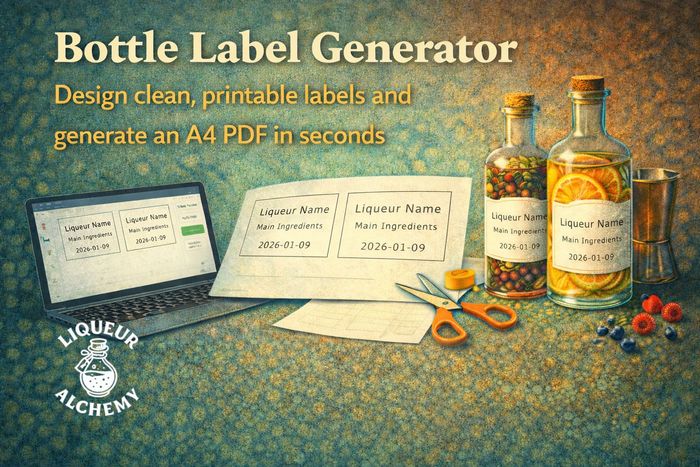
Bottle Label Generator preview

Bottle Label Generator

Create clean bottle labels with your liqueur name, batch details, date — ready for printing and gifting.
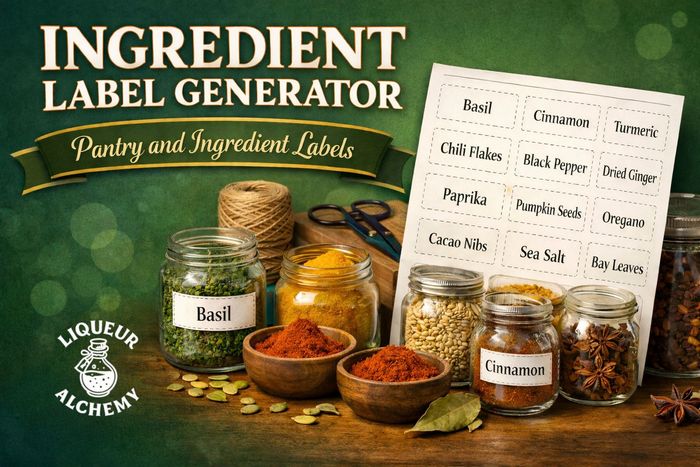
Ingredient Label Generator preview

Ingredient Label Generator

Label jars, containers, and storage bags to maintain clear organization from preparation through infusion and serving.
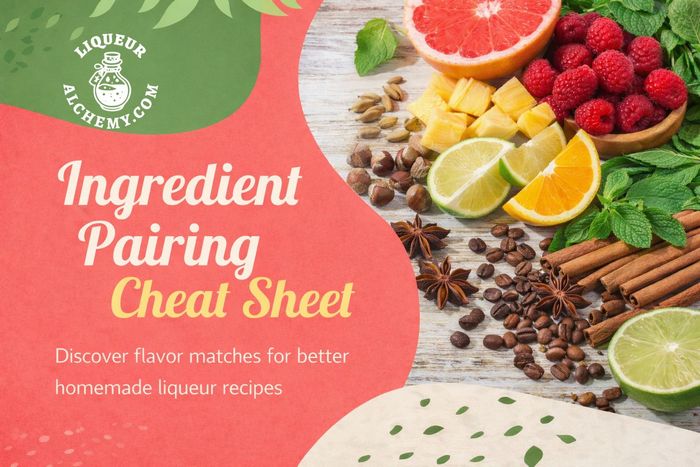
Ingredient pairing cheat sheet for creating balanced homemade liqueurs

Ingredient Pairing Cheat Sheet

Discover flavor combinations that create balanced, complex, and unique homemade liqueurs.