Long Pepper (Pippali)

Long Pepper (Pippali) for Liqueur Infusions – Flavor & Pairing Tips

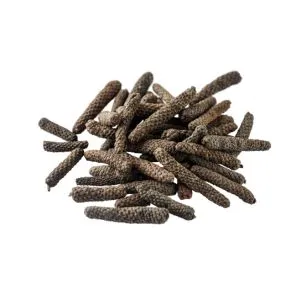
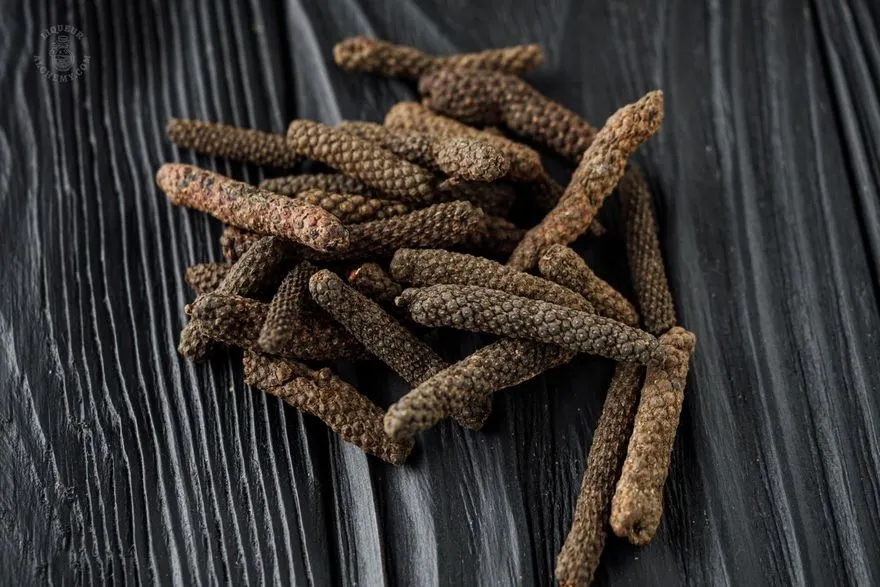
Long pepper (pippali) delivers a layered pepper warmth that feels sweeter and more aromatic than black peppercorns. It brings earthy spice, subtle woody notes, and a slow-building heat that lingers elegantly on the palate. In liqueurs, it adds structure and intensity without harshness, pairing beautifully with citrus peel, ginger, cacao, vanilla, or dark spirits. Used sparingly, it creates bold, refined infusions with a memorable spiced finish.

Long Pepper (Pippali)

Home / Ingredients / Spices & Aromatics / Long Pepper (Pippali)

Long Pepper (Pippali) Flavor Profile

Warm pepper heat, sweet-spicy aroma with hints of cinnamon and ginger.
Long Pepper (Pippali) Impact on Liqueurs

Adds layered warmth and exotic spice depth beyond black pepper.

How to Use Long Pepper (Pippali)?

Crack lightly; 1–2 peppers per 1 L. Infuse 7–14 days in rum or brandy.

Long Pepper (Pippali) Pairing Suggestions

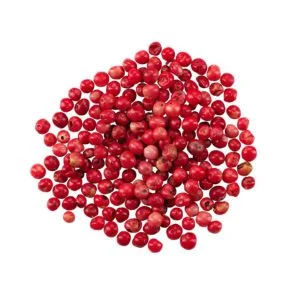
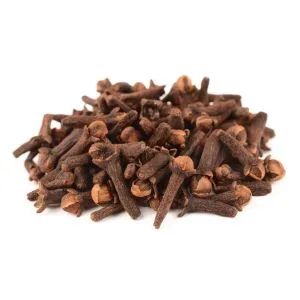
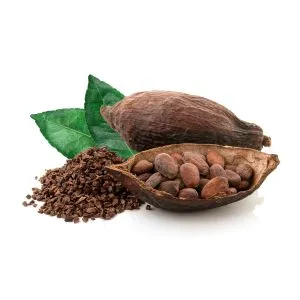
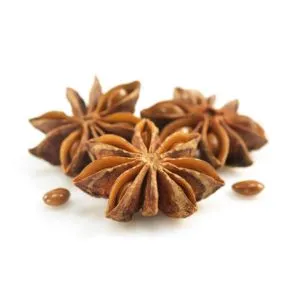
Rum, Brown Sugar, Ginger, Cinnamon, Clove, Orange Peel, Honey, Cardamom
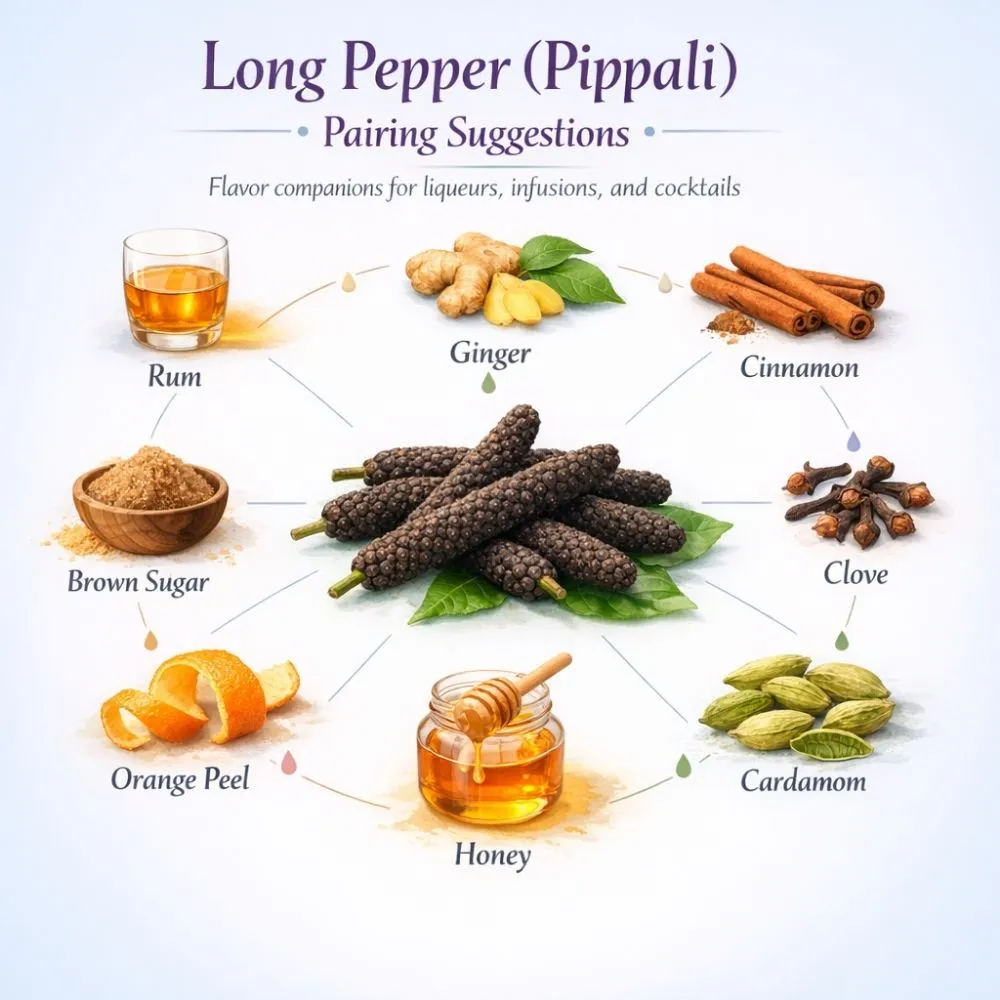
Long Pepper (Pippali) pairing suggestions for liqueur making

Long Pepper (Pippali) FAQ


Long pepper (pippali) is peppery like black pepper, but it’s warmer, sweeter, and more aromatic—often with hints of cinnamon-like warmth and a longer, slower heat. In liqueurs, it can read more “spice dessert” than sharp pepper bite, which makes it great for cacao, vanilla, and dark citrus profiles.

Extraction is fast: use 40–50% ABV, start with ½–1 long pepper (or 1–2 g) per liter, lightly cracked, and taste at 2–4 hours. Many infusions are ready within 6–24 hours. For repeatability, make a long-pepper tincture and dose by drops.

Common mistakes include steeping for days and using too much, which can make the finish hot and woody. Flavor impact should be warm, lingering spice. Store cool and dark; pepper aromatics hold fairly well.

Long pepper pairs beautifully with cacao nibs, coffee, vanilla, orange peel, and honey/brown sugar. It also works with tropical fruit where it adds an adult warm finish. Avoid pairing with too many other hot spices unless you want a very bold profile.

Timing: build your base, strain, then add long pepper late for a short finishing infusion, or dose tincture. This keeps the aroma clear and prevents woody over-extraction.

Common mistakes include adding long pepper from day one and forgetting it. Flavor impact should be spicy warmth and aroma lift. Store cool and dark; resting 1–2 weeks helps integrate pepper heat into the sweetness.

Several factors influence the extraction of long pepper when used in liqueur making. The alcohol's proof is crucial; higher alcohol content can extract flavors more efficiently, while lower proof may require longer infusion times. Additionally, the cut size of the long pepper can affect how quickly its flavors are released into the alcohol.

Temperature also plays a significant role in the extraction process. Warmer temperatures can accelerate the release of essential oils and flavors, but it is important to avoid excessive heat, which could lead to undesirable flavors. Cold infusions can yield a more subtle flavor profile, allowing for greater control over the final taste.

Lastly, the duration of the infusion is vital. A short infusion may result in a milder flavor, while a longer infusion can intensify the spice and warmth. Monitoring the extraction process and tasting periodically can help achieve the perfect balance for your liqueur.

Yes, you can use herbs like cardamom as a substitute for long pepper in liqueurs. Cardamom has a warm, spicy flavor that can complement the other ingredients in your recipe, making it a suitable alternative.

Another option is to try using ginger. It adds a zesty and slightly sweet flavor that can enhance your liqueur while providing a different yet enjoyable spice profile.

Lastly, consider allspice, which has a flavor reminiscent of both cloves and cinnamon. It can add complexity to your liqueur and can work well in recipes that originally call for long pepper.

To avoid mistakes, start with a small amount of long pepper and taste as you go. This allows you to gauge its impact on your liqueur without overwhelming other flavors.

Ensure you grind the long pepper just before use to maintain its freshness and potency. Using a spice grinder can help achieve a fine consistency, which is crucial for even infusion.

Finally, pay attention to the steeping duration. Experiment with different times to find the perfect balance for your liqueur, ensuring that the long pepper enhances rather than dominates the flavor profile.
Long Pepper (Pippali)
Long Pepper (Pippali) in Liqueur Crafting

More Spices & Aromatics


RELATED RECIPES OF LIQUEUR ALCHEMY


Explore more creations from Liqueur Alchemy that share similar flavours, techniques, or ingredients. These related recipes offer fresh ideas and inspired combinations to help you craft your next bold, homemade spirit.

LIQUEUR ALCHEMY TOOLS & RESOURCES


Design labels in minutes—beautiful, practical, and ready to print. Choose a tool below to generate bottle or ingredient labels that match your Liqueur Alchemy workflow.
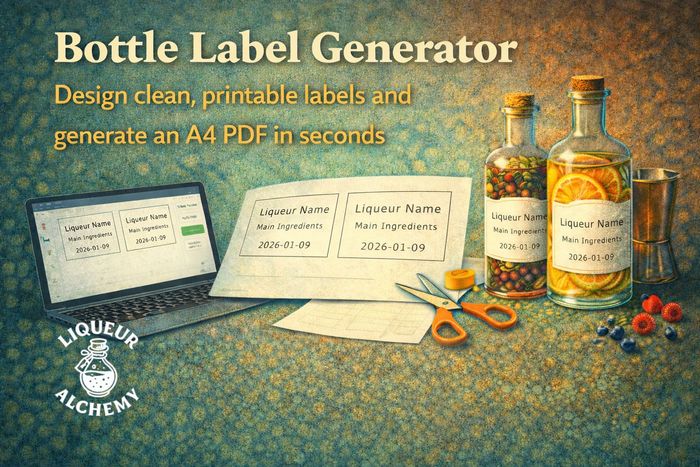
Bottle Label Generator preview

Bottle Label Generator

Create clean bottle labels with your liqueur name, batch details, date — ready for printing and gifting.
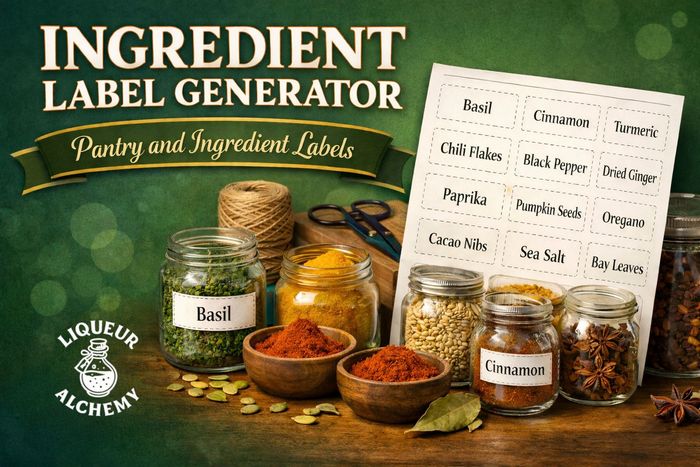
Ingredient Label Generator preview

Ingredient Label Generator

Label jars, containers, and storage bags to maintain clear organization from preparation through infusion and serving.
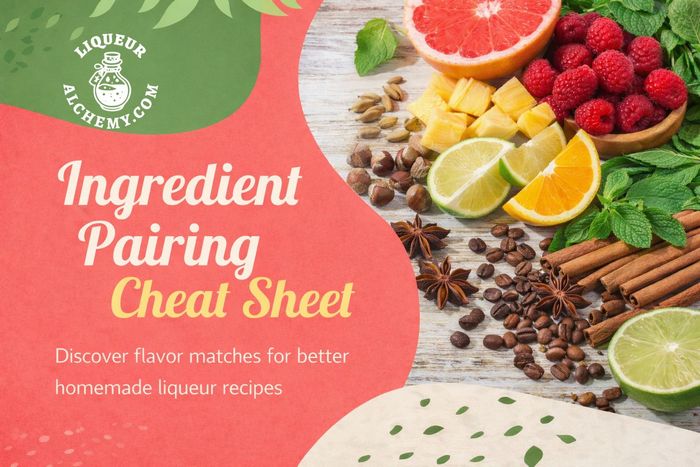
Ingredient pairing cheat sheet for creating balanced homemade liqueurs

Ingredient Pairing Cheat Sheet

Discover flavor combinations that create balanced, complex, and unique homemade liqueurs.