
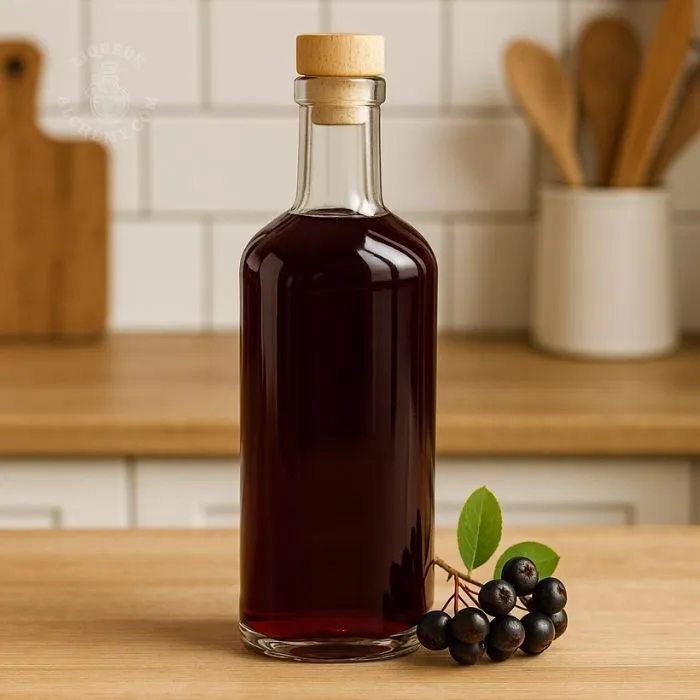
Aronia Eclipse

Dark chokeberry, lemon and spice vodka for a deep aronia eclipse

Aronia Eclipse captivates with its deep, rich flavors, blending the tartness of chokeberries with the warm notes of ginger, cinnamon, and juniper. The addition of honey adds a subtle sweetness, creating a balanced liqueur that is both aromatic and refreshing, perfect for sipping or mixing in cocktails.

Main notes

  • Vodka
  • Chokeberries

Ingredients

  • Vodka – 1 L
  • Chokeberries (Aronia) – 1kg
  • White Sugar - 200g
  • Honey (Gryczany) - 50g
  • Lemon – 1 (Juice)
  • Ginger - 2 cm
  • Cinnamon – ½ stick
  • Juniper Berry – 3 pcs

Preparation

  1. Wash and drain chokeberries
  2. Lightly crush to release juices without breaking seeds
  3. Place berries in a clean glass jar
  4. Add lemon juice, sliced ginger, half a cinnamon stick, and three juniper berries
  5. Pour vodka over until everything is covered
  6. Seal and store in a cool, dark place for 3 months, shaking once a week
  7. After infusion, strain through a sieve, then filter through cheesecloth or coffee filter until clear
  8. Return the liquid to a clean jar, add sugar and buckwheat honey, stir until fully dissolved
  9. Seal again and let it rest for 2–3 weeks to allow flavors to blend
  10. Finally, bottle and mature at least 1 month before tasting
Download

The Story

Aronia Eclipse is a liqueur woven from shadows and light. Chokeberries lend their midnight color, evoking the rare beauty of an eclipse where darkness hides the sun or moon. Their tart depth is softened with sugar and earthy buckwheat honey, while ginger, cinnamon, and juniper bring warmth and a whisper of spice. The drink matures with patience, revealing a complexity that feels both natural and celestial—a liqueur to savor in moments of stillness or shared celebration.

Who is "Aronia Eclipse" Liqueur for?

For lovers of dark berries and foresty, bittersweet profiles—perfect for experimental palates who enjoy tannin, bright lemon lift, and a whisper of juniper. Best for slow sippers, late-night readers, and anyone who appreciates a liqueur that feels bold, moody, and structured.

"Aronia Eclipse" Liqueur Serving Suggestions

Serve chilled in a small rocks glass, neat or with one clear ice cube. Excellent after dinner or on cold evenings when you want something dark and bracing. A thin lemon peel accent lifts the berry and softens the edges. Let it warm slightly for extra aroma.

Why the Name "Aronia Eclipse"?

The name 'Aronia Eclipse' reflects the enchanting transformation of chokeberries as they infuse with vodka, creating a liqueur that is as captivating as a solar eclipse. Just as the moon casts its shadow, the rich, dark hue of this liqueur hints at the depth of flavor found within, inviting you to experience its unique essence.

Testing Notes

During the development of Aronia Eclipse, we found that the infusion time was crucial; three months allowed the flavors to mature beautifully without becoming overpowering. Adjusting the sweetness with honey helped to balance the tartness of the chokeberries, while the ginger and cinnamon added an inviting warmth that enhanced the overall profile.

Aronia Eclipse Liqueur FAQ


Lemon adds sparkle and helps fruit pop, but in a tannic base it can read as sharp if sweetness isn’t supporting it. Ginger adds warmth and a little bite; combined with chokeberry tannin, it can feel “edgy” rather than elegant. The balance point is where acidity feels bright, not sour.

Sweeten in steps and taste chilled. Cold tasting is more honest for serving and often reduces perceived sourness. If it still feels too sharp, add a little more sweetness (or a touch of darker sweetener for roundness) rather than more lemon. If it feels flat, then a small extra squeeze can lift it.

Resting is crucial here. Fresh lemon can taste loud right after mixing, then integrate after a couple of weeks. If you rush the verdict, you’ll over-correct. Give it time, then fine-tune with tiny adjustments.

Buckwheat honey is bold—malty, earthy, and slightly molasses-like—so a neutral honey can make the drink feel lighter and less “shadowy.” If you need a substitute, look for a darker honey (chestnut, heather) or use a touch of dark sugar to mimic depth. Add gradually, because darker sweeteners can quickly dominate.

Juniper adds piney lift and a dry, gin-like snap. If you don’t have it, a small piece of citrus peel or a few peppercorns can restore brightness and structure, though the profile will be less “forest.” Avoid adding too many substitutes at once; you want one clear supporting note, not a spice cabinet.

After swapping, taste after resting. Dark berry + lemon can feel sharp early, and the sweetener choice decides whether it finishes clean or heavy. The best test is a chilled sip: berry leads, forest notes hover, and sweetness stays quietly in the background.

Chokeberries are famously tannic, and “more time” does not always mean “more delicious.” You can get deep color quickly, but tannins keep extracting and can turn the finish drying and rough. If the taste starts to feel like strong black tea—dry cheeks, grip on the tongue—it’s a sign extraction is pushing too far.

To control this, taste regularly and strain once the berry flavor is present and the bitterness is still manageable. Keeping fruit pieces larger (not pulverized) reduces fast tannin release. Also watch your spices: cinnamon and juniper can add their own dryness, which stacks on top of the berry tannin.

Sweetening and resting will soften some of the bite, but they won’t fully erase over-extraction. If you’ve gone too far, dilution is the cleanest rescue. Stopping extraction at the right moment is the real “secret” to a smooth, dark-berry liqueur.

RALETED RECIPES OF LIQUEUR ALCHEMY


Explore more creations from Liqueur Alchemy that share similar flavours, techniques, or ingredients. These related recipes offer fresh ideas and inspired combinations to help you craft your next bold, homemade spirit.