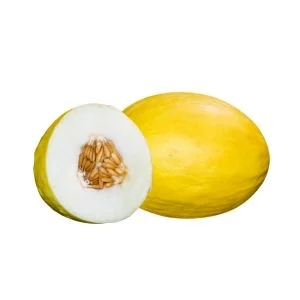
Canary Melon

Canary Melon in Liqueurs: Floral Freshness, Sweetness, and Lift

Canary melon brings a clean, honeyed sweetness with floral top notes, soft pear-like freshness, and a gentle tropical edge. In liqueurs it creates a light, elegant fruit profile that feels refreshing rather than heavy, making it ideal for vodka, white rum, or rice spirit bases. Because melon is subtle and water-rich, it benefits from careful dosage and restrained infusion time to avoid a diluted or flat result. Citrus zest, cardamom, ginger, and light sweeteners help frame its aroma. Strain while the fruit still tastes bright, then rest so sweetness and alcohol integrate smoothly.

Canary Melon

Home / Ingredients / Fruits / Canary Melon

Canary Melon Flavor Profile

sweet, floral, juicy, honeyed, soft, fresh, delicate

Canary Melon Impact on Liqueurs

Adds juicy sweetness, gentle body, and floral freshness; can feel flat if over-diluted or under-structured.

How to Use Canary Melon?

Use ripe peeled flesh only and remove seeds fully. Start with 400–800 g per 1 L spirit. Infuse 4–10 days, tasting early to protect freshness. Sweeten gradually, avoid overwatering, and rest 1–3 weeks before final judging.

Canary Melon Pairing Suggestions

Vodka, White Rum, Rice Spirit, Cane Sugar, Honey, Lemon Zest, Green Cardamom, Ginger, Vanilla, Saffron
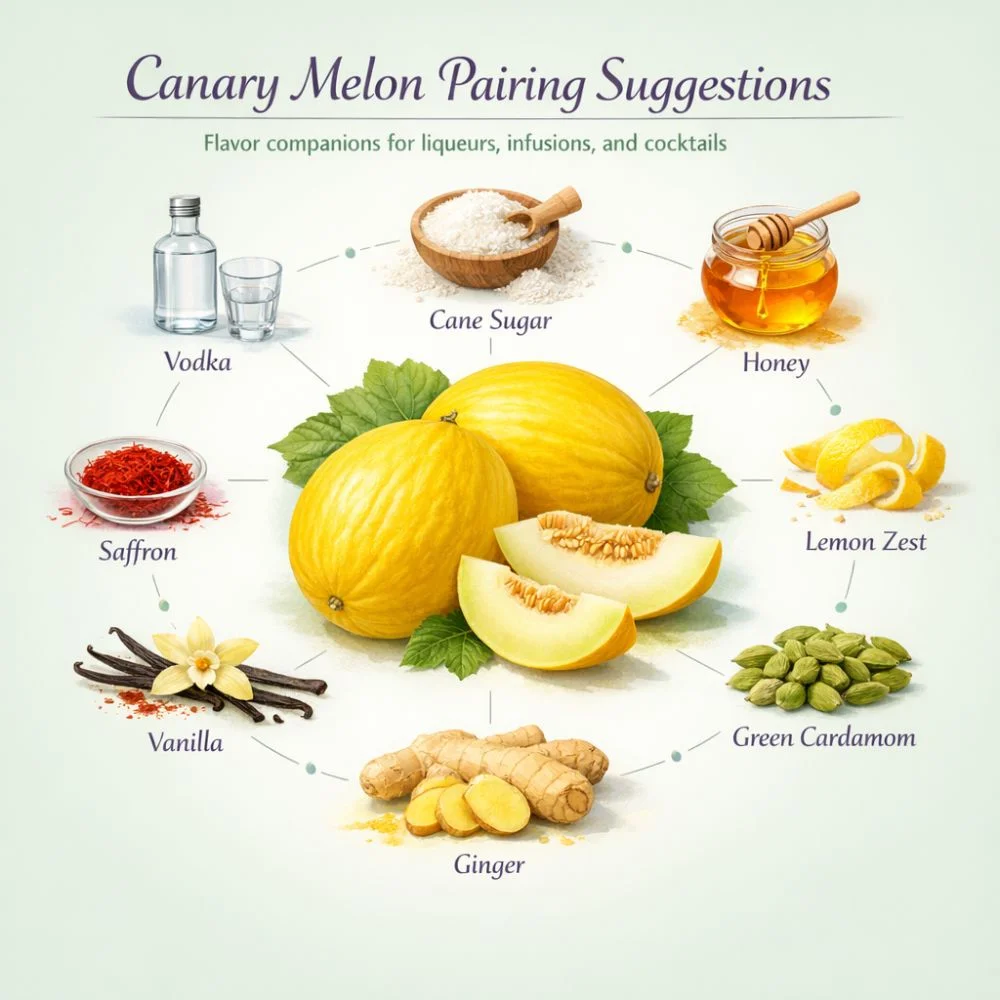
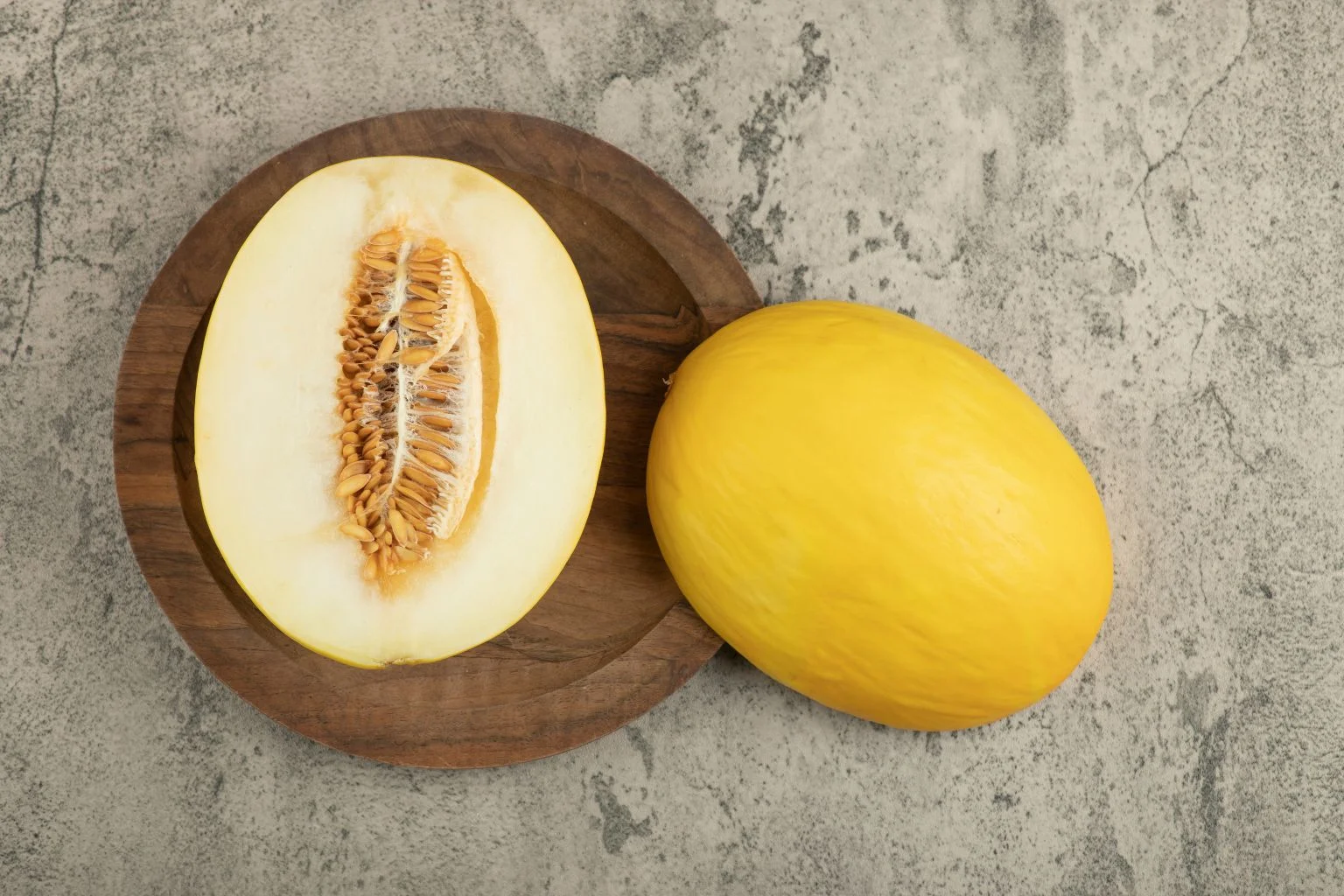
Canary Melon pairing suggestions for liqueur making

Canary Melon FAQ


Canary melon extracts more delicately than many people expect because it is high in water, relatively soft in flavor, and driven more by light floral sweetness than by sharp acidity or dense tropical oils. Compared with cantaloupe, which can bring a rounder, muskier aroma, or honeydew, which often feels greener and slightly firmer in profile, canary melon usually produces a cleaner, brighter, and more subtle infusion. In alcohol, that means its first impression can seem attractive but faint, especially if the spirit is too assertive or the fruit is not fully ripe. The fruit does not usually dominate a jar quickly in the way citrus peel, spices, or highly aromatic tropical fruits do. Instead, it gives a gentler extraction curve that rewards careful dosage and early tasting.

Another important difference is that canary melon can lose freshness if pushed too far. Some ingredients become deeper and more expressive with longer contact time, but melon often reaches a peak and then starts flattening out. The aroma can move from juicy and fresh toward watery, muted, or dull if the fruit is left too long or if the starting fruit lacked fragrance. Because of that, it is usually better to think of canary melon as a precision ingredient rather than a brute-force infusion fruit. Clean cuts, ripe flesh, moderate quantities, and a spirit base that allows subtle flavors to stay visible all matter more than with heavier fruits.

This extraction behavior makes canary melon especially useful for elegant, lighter liqueur styles. It contributes gentle body, soft sweetness, and a refined fruit note rather than thick richness. It often performs best in vodka, white rum, or rice spirit, where the fruit can stay readable. Compared with other melons, it needs a little more support from structure, such as citrus zest, spice detail, or careful sweetening, but that does not make it weak. It simply means the ingredient shines through finesse rather than force, and successful recipes respect that softer extraction profile.

The best replacements for canary melon are fruits that share its clean sweetness, soft texture, and gentle aromatic style rather than its exact appearance. Honeydew is usually the closest substitute because it offers a similarly pale, juicy, and refined melon character, though it can feel slightly greener and less floral depending on ripeness. Galia melon can also work well if you want a little more perfume while still staying within a light melon register. In some recipes, ripe pear can partly replace the soft sweetness and delicate body of canary melon, especially when the goal is elegance rather than strict melon identity. Very fragrant white peach can sometimes stand in for the floral side, though it changes the fruit profile more noticeably.

A direct substitute is only part of the story, because canary melon does not usually act alone in a good liqueur. It often works best as a subtle fruit base framed by citrus zest, gentle spice, or restrained sweetness. That means a substitute should be chosen according to the role the melon was playing. If you wanted fresh, juicy softness, honeydew is the easiest answer. If you wanted more aroma, a floral melon or ripe peach may be more useful. If you wanted a light, rounded fruit base that lets spices or sweeteners show, pear can be surprisingly effective. Thinking in terms of function usually gives better results than chasing one-to-one botanical accuracy.

The key is to avoid substitutes that are too heavy, too musky, or too acidic unless you want to redesign the liqueur. Cantaloupe, for example, may work, but it shifts the style toward a denser and more assertive melon profile. Pineapple and mango bring tropical force, not delicate melon lift. For recipes meant to feel airy and clean, honeydew remains the strongest practical substitute, with pear or white peach as supporting alternatives depending on the structure of the final bottle.

Canary melon is usually best infused for a relatively short period, often around four to ten days, though the ideal timing depends on ripeness, cut size, spirit choice, and the style of liqueur you want. Because the fruit is delicate and water-rich, it often shows its best qualities before the infusion becomes long or heavy. In the first phase, the alcohol picks up the melon’s floral, juicy character and soft honeyed sweetness. After that, more time does not always mean more beauty. Instead, the fruit can start tasting flatter, more watery, or less defined, especially if the melon was not intensely aromatic to begin with.

This is why tasting during the process matters more than following a fixed number of days. Start checking the infusion early, particularly if the fruit is sliced small or the spirit is neutral. You are looking for a point where the liqueur smells distinctly of melon and still tastes fresh rather than tired. Many batches peak before the fruit collapses into mush. Waiting too long can reduce the sense of brightness and make the final bottle feel broader but less alive. If the recipe includes supporting ingredients such as citrus zest or spice, those may also change the apparent timing by shaping how the melon reads in the alcohol.

For best flavor, think in terms of capturing freshness, not maximum extraction. A good canary melon liqueur usually succeeds because it feels elegant and lifted, not because it tastes intensely concentrated. If you are unsure, strain part of the batch earlier and compare it later with a longer-steeped portion. That gives you far more control than assuming the fruit will improve indefinitely with time. In most cases, the cleanest and most attractive melon profile comes from moderate contact time followed by resting after sweetening rather than prolonged maceration.

Canary melon liqueur can turn watery or lack intensity because the fruit itself contains a lot of water and only a moderate amount of aromatic material. That means the recipe has less margin for error than a bold fruit infusion. If the melon is not fully ripe and fragrant, the alcohol may pick up sweetness without enough real identity. Even when the fruit is good, too much later dilution, too much syrup, or a spirit with too much competing character can make the bottle feel weaker than expected. The result is often described as “watery,” but the real issue is usually insufficient aromatic concentration combined with too much soft volume.

Another common cause is the assumption that more time will fix the problem. With some ingredients, longer infusion develops depth. With melon, longer contact can simply make the fruit seem duller. Instead of concentrating flavor in a helpful way, the infusion can lose brightness and drift into a broad, indistinct sweetness. Over-filtering can flatten it further, and recipes with too many competing ingredients can make the melon vanish into the background. In other words, watery canary melon liqueur is often the product of several subtle weakening choices that all move in the same direction.

The best defense is to start with excellent fruit and preserve its best qualities rather than forcing more extraction. Use a suitable fruit load, taste early, and keep the ingredient list disciplined. Add sweetness gradually and do not over-dilute. If the batch still feels too soft, a small amount of citrus zest or light spice can add shape without replacing the melon. What canary melon needs is not brute concentration, but support and precision. When those are present, the liqueur can feel refined and expressive rather than watery.

Canary melon brings a soft, elegant fruit profile built around honeyed sweetness, juicy freshness, and light floral notes. It is not a sharp or aggressive ingredient, and it does not usually provide the strong acid-driven brightness that citrus or tart berries do. Instead, it contributes a smoother, rounder type of freshness that feels calm, clean, and refined. In a well-made liqueur, the melon can suggest pear, pale tropical fruit, soft nectar, and a subtle perfume that gives lift without shouting. This makes it particularly attractive for recipes that aim for delicacy rather than intensity.

Its flavor effect is as much about texture and style as about taste. Canary melon can make a liqueur feel soft and approachable, with a gentle body that does not become creamy or heavy when handled correctly. That is a very useful quality in fruit liqueurs that risk becoming too loud or too sweet. Because the melon is subtle, it often needs a little structure from supporting ingredients, but when that support is well judged, the result feels polished rather than simple. A touch of citrus, spice, or carefully chosen sweetener can reveal more of the fruit instead of covering it up.

The overall profile can be described as bright but not tart, sweet but not syrupy, and floral but not perfumed in a heavy way. That balance is what makes canary melon interesting in liqueur making. It does not try to dominate the bottle. Instead, it gives a graceful fruit identity that can sit in the foreground or the middle of a recipe depending on how it is framed. At its best, it creates a liqueur that feels fresh, refined, and quietly memorable.
Canary Melon
Canary Melon in Liqueur Crafting

More Fruits


LIQUEUR ALCHEMY TOOLS & RESOURCES


Design labels in minutes—beautiful, practical, and ready to print. Choose a tool below to generate bottle or ingredient labels that match your Liqueur Alchemy workflow.
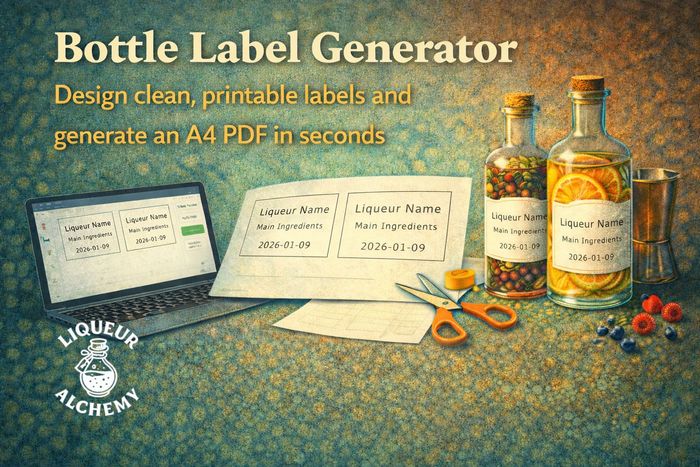
Bottle Label Generator preview

Bottle Label Generator

Create clean bottle labels with your liqueur name, batch details, date — ready for printing and gifting.
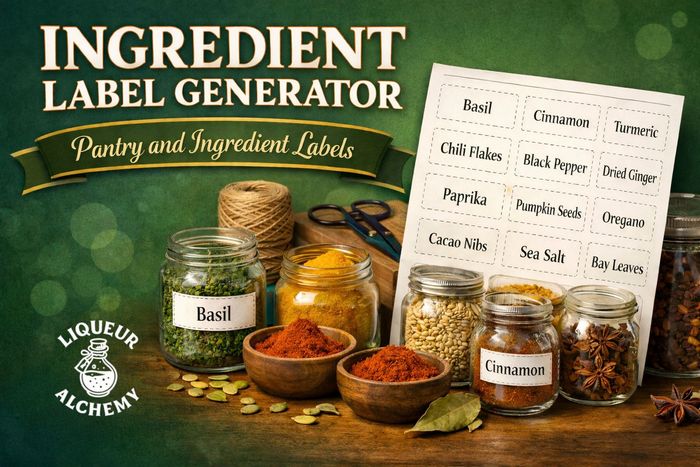
Ingredient Label Generator preview

Ingredient Label Generator

Label jars, containers, and storage bags to maintain clear organization from preparation through infusion and serving.
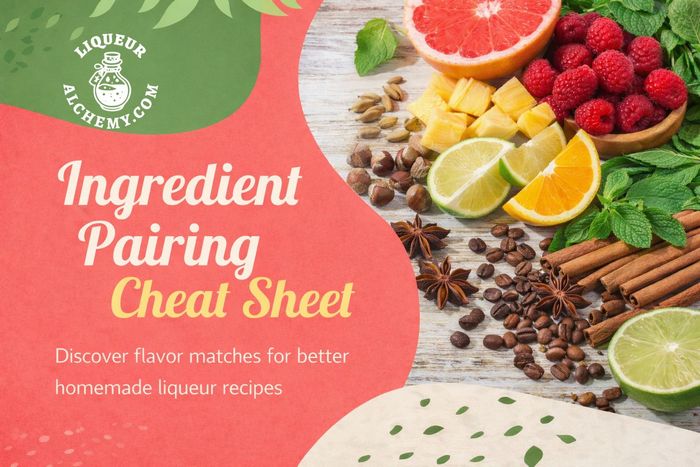
Ingredient pairing cheat sheet for creating balanced homemade liqueurs

Ingredient Pairing Cheat Sheet

Discover flavor combinations that create balanced, complex, and unique homemade liqueurs.