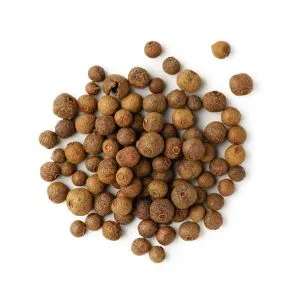
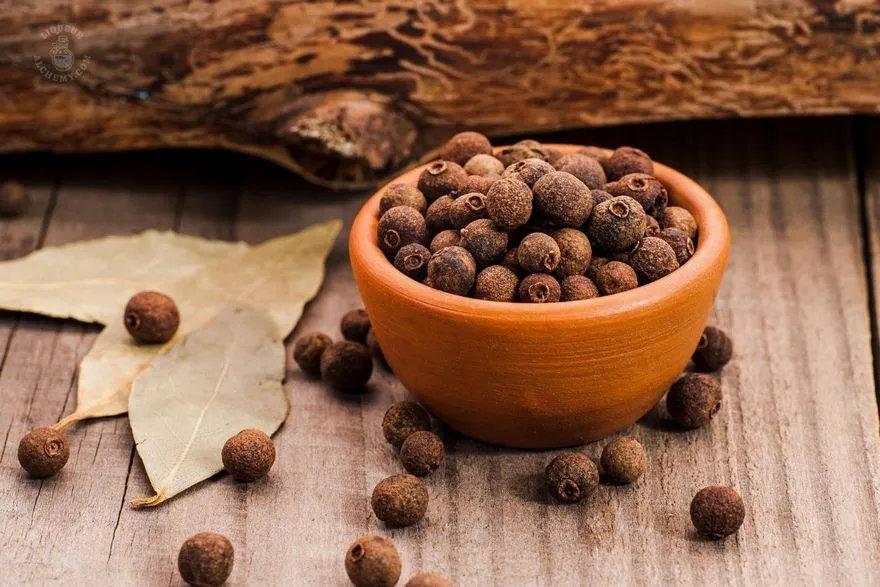
Allspice

Allspice for Liqueur Infusions – Flavor & Pairing Tips

Allspice offers a beautifully balanced spice profile reminiscent of cloves, cinnamon, and nutmeg all at once. It delivers gentle heat, warmth, and fragrance that deepen a liqueur’s character without overpowering it. When infused, it adds cozy complexity and a lingering finish, perfect for autumnal or festive blends. Allspice pairs wonderfully with fruit, honey, or vanilla, bringing harmony and roundness to every sip.

Allspice

Home / Ingredients / Spices & Aromatics / Allspice

Allspice Flavor Profile

Warm, sweet spice with clove-cinnamon notes, gentle peppery edge, round aromatic depth.
Allspice Impact on Liqueurs

Adds instant winter warmth and bakery depth, enriching fruit infusions and smoothing sharp alcohol edges.

How to Use Allspice?

Use whole berries, lightly cracked; 6–12 berries per 1 L. Infuse 7–21 days in rum, brandy, or vodka; taste weekly.

Allspice Pairing Suggestions

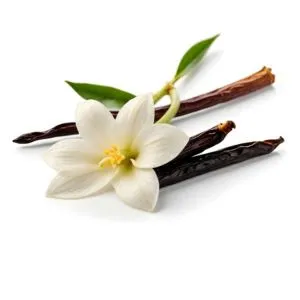
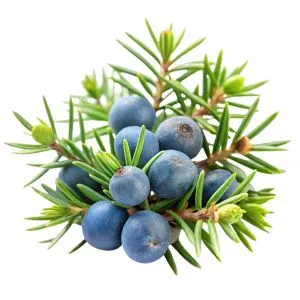
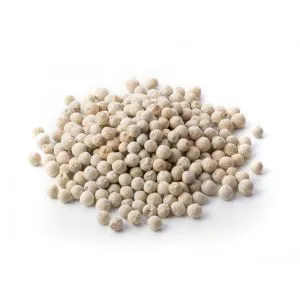
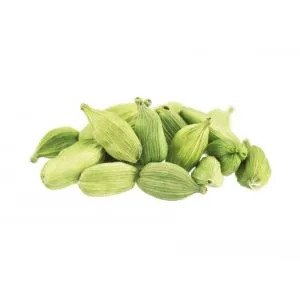
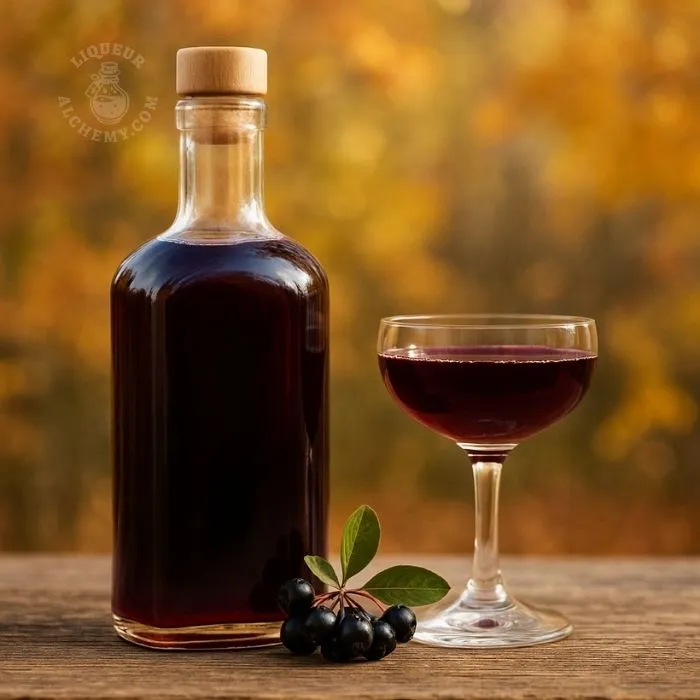
Rum, Brown Sugar, Cinnamon, Clove, Nutmeg, Orange Peel, Vanilla, Ginger
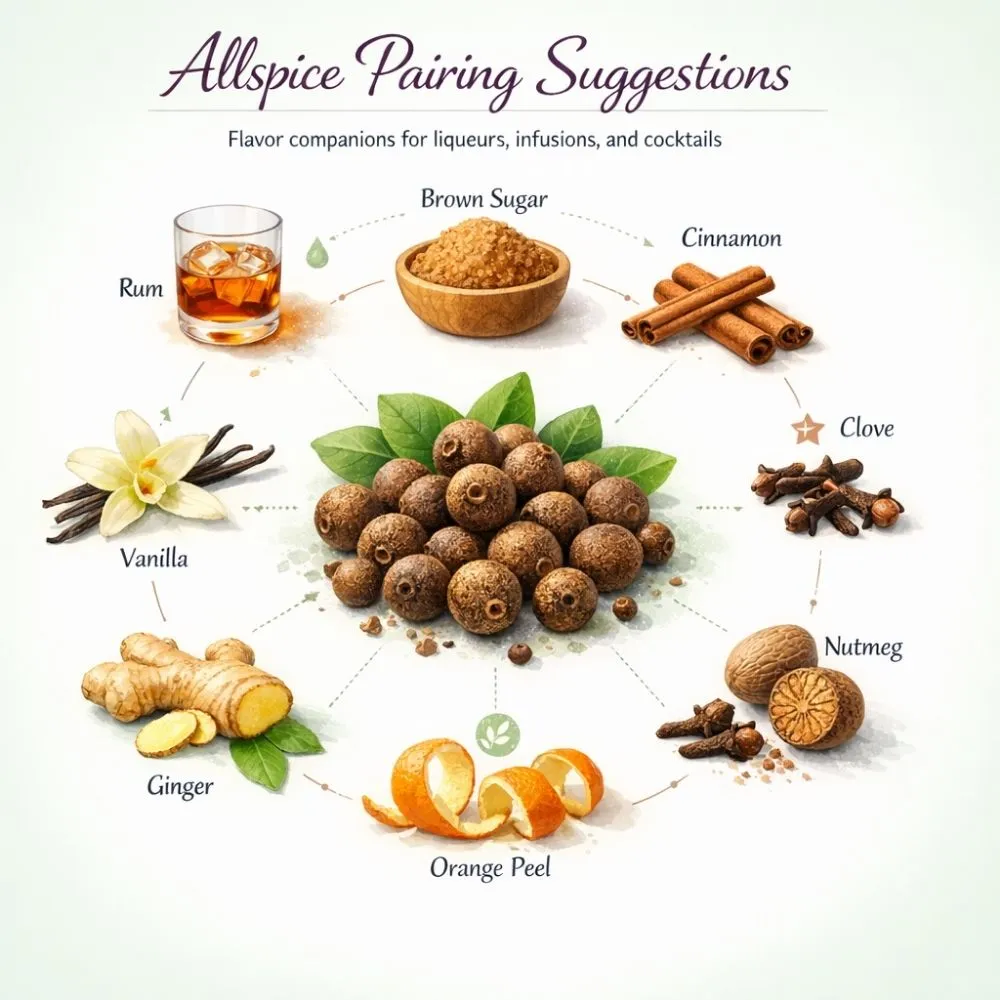
Allspice pairing suggestions for liqueur making

Allspice FAQ


Allspice is strong and reads like a blend of clove, cinnamon, and nutmeg—so a little goes a long way. Start with 3–6 whole berries per liter (or ¼ tsp lightly crushed) in 40–50% ABV. Taste at 12 hours and plan to strain within 24–72 hours for a warm, supportive note.

If you need more, add one berry at a time and give it another 12–24 hours. For precise control, infuse allspice as a separate tincture and dose by drops. Allspice pairs well with dried fruits, coffee, chocolate, and citrus peel (used carefully).

Common mistakes are using ground allspice (muddy, hard to filter), steeping for weeks, and combining it with clove (double-clove effect). Flavor impact should be cozy warmth, not “holiday potpourri.” Store allspice airtight; it loses aroma with air exposure.

Allspice loves anything that already hints at warm sweetness: dried apricot, raisin, fig, coffee, cacao, and orange peel. It also works with rum and brandy bases where its warmth reads natural rather than spiky. For fruit-forward liqueurs, keep allspice as a background accent.

Timing: infuse your fruit first, strain, then add allspice for 12–48 hours and taste regularly. This prevents long fruit steeps from also becoming long spice steeps. If you’re building a “winter” profile, add vanilla first, then allspice last.

Common mistakes are stacking too many warm spices and forgetting that allspice is already a “spice blend.” Flavor impact should be cozy depth and a longer finish. Store cool and dark; allspice integration improves after 1–2 weeks of rest.

Several factors influence the extraction behavior of allspice in liqueurs, including temperature, time, and the type of alcohol used. Warmer temperatures can accelerate the extraction process, allowing the flavors to infuse more rapidly. However, excessive heat may lead to undesirable flavors.

The duration of the infusion is also crucial. A longer extraction time generally results in a more robust flavor profile, but it's essential to monitor the infusion to avoid overpowering the liqueur. Regular tasting can help determine the optimal infusion period.

Lastly, the choice of alcohol can impact the extraction. Neutral spirits like vodka will allow the allspice flavor to shine, while flavored or aged spirits may alter the final taste. Experimenting with different alcohol types can yield unique and exciting results.

The recommended dosage of allspice in liqueur recipes generally ranges from 1 to 3 teaspoons per quart of base spirit. This amount can vary based on personal taste preferences and the overall flavor profile you aim to achieve.

It's important to start with a smaller quantity, especially if you're new to using allspice. You can always adjust the amount in subsequent batches based on your experience and desired intensity of flavor.

Remember that allspice has a potent flavor, so moderation is key. Allow your liqueur to steep for a week before tasting, and adjust the dosage as needed for future batches to find your perfect balance.

Yes, there are several easy alternatives to allspice that can enhance your homemade liqueurs. One popular substitute is a mix of cinnamon and nutmeg, which together can replicate the warm and sweet notes of allspice. Start with a small amount and adjust based on your taste preferences.

Another alternative is to use cardamom, which has a unique flavor profile but can complement many liqueur recipes. Use it sparingly, as cardamom can be quite potent. It adds an exotic twist while still providing some of the warmth you expect from allspice.

Lastly, consider using dried ginger for a different flavor experience. While it won't replicate allspice's taste exactly, it can add a pleasant warmth and spice that works well in many liqueurs, especially those with fruit bases.
Allspice
Allspice in Liqueur Crafting

More Spices & Aromatics


RELATED RECIPES OF LIQUEUR ALCHEMY


Explore more creations from Liqueur Alchemy that share similar flavours, techniques, or ingredients. These related recipes offer fresh ideas and inspired combinations to help you craft your next bold, homemade spirit.

LIQUEUR ALCHEMY TOOLS & RESOURCES


Design labels in minutes—beautiful, practical, and ready to print. Choose a tool below to generate bottle or ingredient labels that match your Liqueur Alchemy workflow.
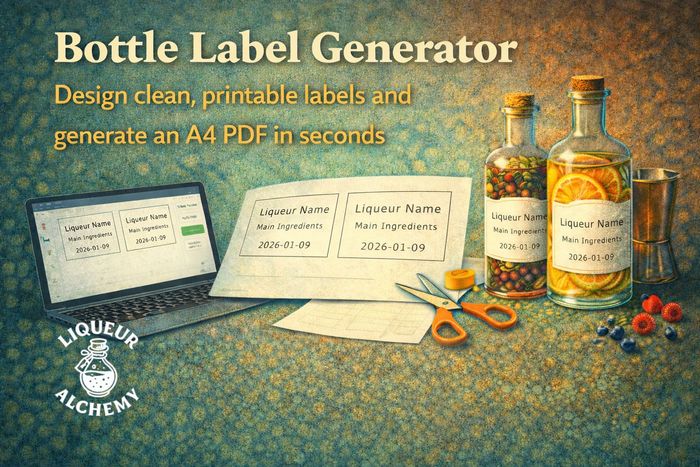
Bottle Label Generator preview

Bottle Label Generator

Create clean bottle labels with your liqueur name, batch details, date — ready for printing and gifting.
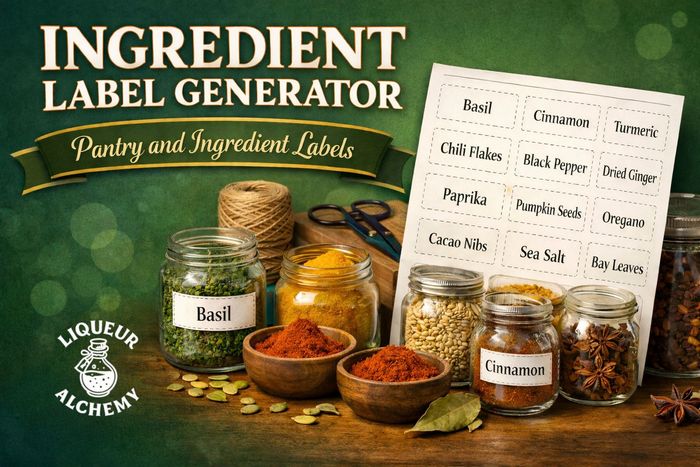
Ingredient Label Generator preview

Ingredient Label Generator

Label jars, containers, and storage bags to maintain clear organization from preparation through infusion and serving.
Ingredient pairing cheat sheet for creating balanced homemade liqueurs

Ingredient Pairing Cheat Sheet

Discover flavor combinations that create balanced, complex, and unique homemade liqueurs.