Hiprosa

Hiprosa – Wild Rose Hip, Honey & Spiced Vodka Liqueur

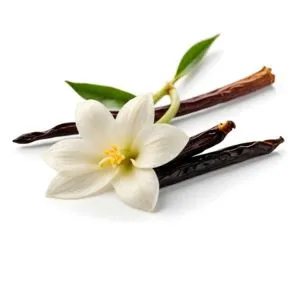
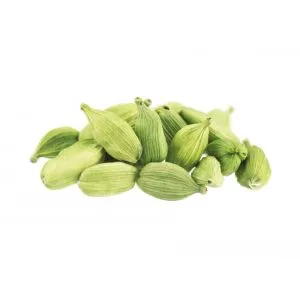
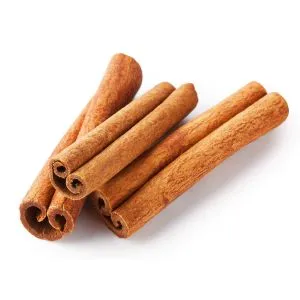
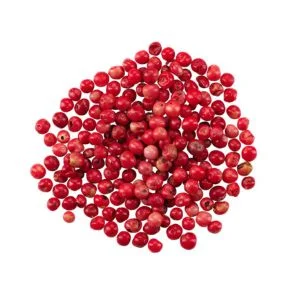
Hiprosa is a wild rose hip vodka liqueur balancing lively tart fruit with the rounded sweetness of honey and white sugar. Vanilla softens the profile, while cardamom, cinnamon, clove and pink peppercorn add layered aromatic warmth. The finished liqueur is fruity, gently floral, warming and distinctly woodland in character.

Main notes

  • Vodka
  • Rose Hips

Ingredients

  • Vodka — 1 L
  • Fresh Rose Hips — 1 kg
  • Honey — 160 g
  • White Sugar — 120 g
  • Vanilla — ½ pod
  • Cardamom — 3 pods
  • Cinnamon — ½ small stick
  • Pink Peppercorns — 8
  • Cloves — 2

Preparation

  1. Sort the fresh rose hips carefully, discarding any damaged or spoiled fruit. Remove the stalks and dried flower ends, then wash and dry thoroughly.
  2. Freeze the rose hips overnight, then allow them to thaw completely. Freezing helps break down the fruit structure and improves extraction during maceration.
  3. Prick each rose hip several times with a fork or make a small cut in each fruit, keeping the fruit otherwise intact to expose more flesh to the alcohol.
  4. Place the prepared rose hips in a large sterilised glass jar and add the white sugar and honey.
  5. Add the split vanilla pod, lightly crushed cardamom pods, cinnamon, pink peppercorns and cloves.
  6. Pour in the vodka, seal the jar and gently rotate it to distribute the ingredients. Store in a cool, dark place.
  7. Gently rotate the jar daily during the first week, then every few days. Begin tasting after 10–14 days and remove individual spices if they become too prominent, particularly the cloves and cinnamon.
  8. Macerate for a total of **4 weeks**, tasting periodically during the final week to monitor the rose hip extraction and overall balance.
  9. Strain thoroughly without aggressively crushing the fruit. Fine-filter carefully to remove rose-hip hairs and sediment, then bottle. Allow the liqueur to rest for at least **8 weeks**, preferably longer, so the fruit, honey and spices can soften and integrate.
Download

The Story

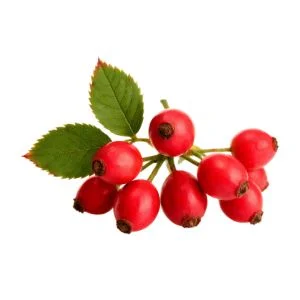
Hiprosa began with wild rose hips gathered from bushes growing in the nearby forest, their vivid red fruit marking the change from summer to autumn. Inspired by traditional Polish rose-hip nalewka, this version takes a lighter, more aromatic path. Vodka draws out the fruit's tart, gently floral character, while honey and white sugar soften its edges. Vanilla adds roundness, cardamom and cinnamon bring fragrant warmth, and touches of clove and pink peppercorn provide a subtle spicy lift. The result is a modern woodland liqueur rooted in an old Polish tradition — bright, warming and unmistakably wild.

Who is "Hiprosa" Liqueur for?

Hiprosa is for curious drinkers and slow sippers who appreciate wild fruit, gentle sweetness and aromatic spice. Its combination of tart rose hips, honey, vanilla and warming botanicals suits autumn evenings, relaxed after-dinner drinking and anyone drawn to distinctive liqueurs with a natural woodland character.
"Hiprosa" Liqueur Serving Suggestions

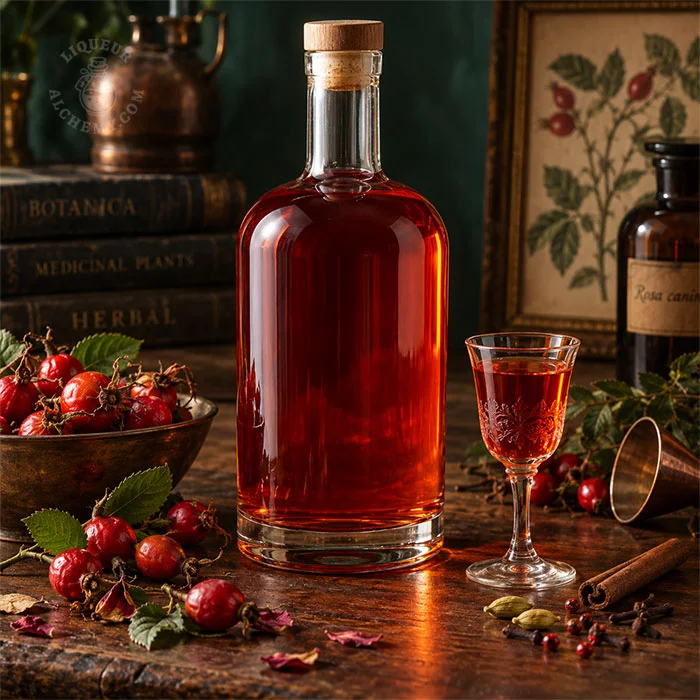
Serve Hiprosa lightly chilled or at cool room temperature in a small liqueur or cordial glass. Its tart rose-hip fruit, mellow honey and delicate warming spices make it particularly inviting after dinner, beside a fire, or as a slow autumn and winter evening sip.

Why the Name "Hiprosa"?

Hiprosa combines two clues to the liqueur's identity: “Hip” for the wild rose hips at its heart and “Rosa,” the botanical name of the rose genus. The name has a slightly mysterious European character while remaining closely connected to the fruit. It reflects a liqueur inspired by traditional Polish rose-hip preparations but shaped into a distinctive Liqueur Alchemy creation.

Testing Notes

Freezing and lightly piercing the rose hips improves extraction without requiring the fruit to be crushed. The spice balance should be checked from the second week, as clove and cinnamon can quickly overshadow the delicate fruit. Fine filtration is particularly important with rose hips to remove hairs and produce a clean finished liqueur.

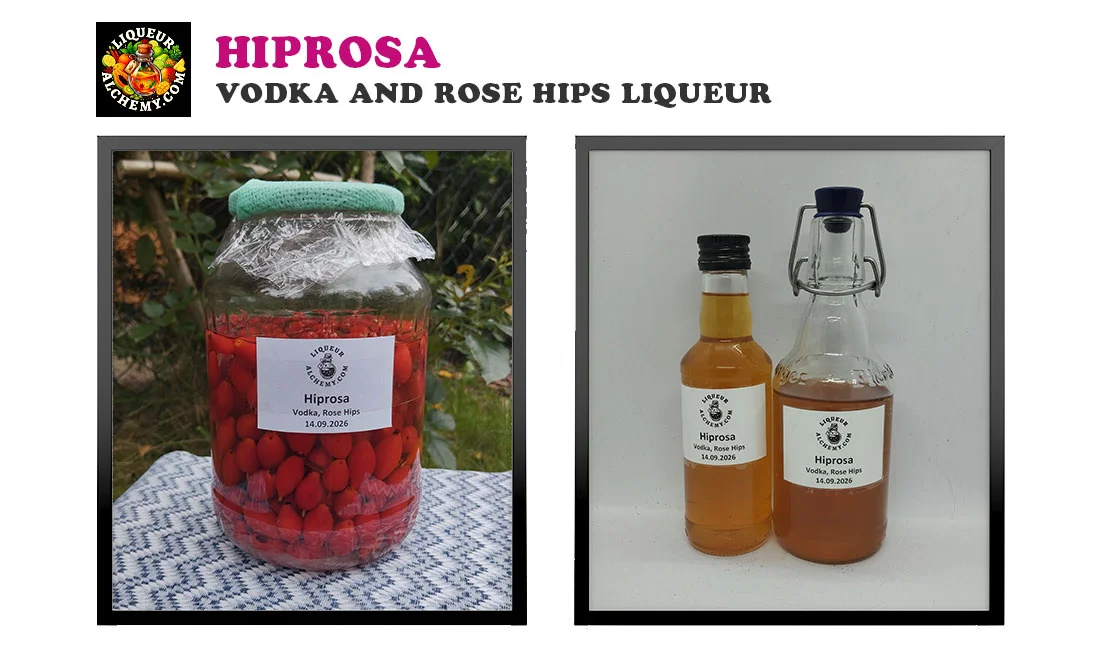
Hiprosa liqueur during maceration and finished bottled liqueur

Hiprosa Liqueur FAQ


Rose hips generally benefit from a longer infusion than the spices. Around five to six weeks is a useful target for the fruit, especially when the hips have been frozen, thawed, and lightly pierced before going into the vodka. This gives enough time for color, tart fruit character, and deeper rose hip notes to develop.

The spices should be monitored much earlier. Begin tasting after about 10 to 14 days, with particular attention to cloves and cinnamon because they can become dominant or woody. Cardamom is usually gentler but can also take over if left too long. Remove individual spices as soon as they are clearly noticeable but still supporting the fruit.

Do not wait for all ingredients to reach the same extraction point. Treat the jar as a layered infusion: remove spices when ready, then allow the rose hips to continue. This keeps the final liqueur fruit-led instead of turning it into a heavily spiced cordial.

The most common problems are over-extracting the spices, crushing the fruit too aggressively, and carrying too much fine pulp or rose hip hair into the finished liqueur. Cloves and cinnamon can create sharp bitterness if left for too long, while excessive crushing releases more solids and makes filtration much harder.

Using damaged fruit, leaving spoiled sections in the jar, or macerating in strong light or heat can also flatten the fresh fruit character and produce rougher flavors. The rose hips should be clean, sound, and fully covered by alcohol. Gentle rotation is enough; vigorous shaking is unnecessary and can break the fruit down into sediment.

After straining, fine filtration is especially important because rose hips contain irritating internal hairs. Avoid squeezing the fruit hard through cloth or filters. Let gravity do most of the work, filter again if needed, and give the liqueur time to rest before judging harshness, since young spirit and spice notes often soften significantly after bottling.

Rose hips bring natural tartness and a lightly tannic edge, so sweetness should be adjusted gradually rather than fixed only at the beginning. Honey adds body and floral roundness, while white sugar gives cleaner sweetness. Together they can soften the fruit without hiding its fresh, slightly sharp character.

After filtering, taste a small measured sample before changing the whole batch. If it feels too tart or thin, test small additions of simple syrup, dissolved sugar, or a little honey. If it seems too sweet, avoid adding more acid immediately; first allow the liqueur to rest, because alcohol heat and sweetness perception change noticeably over several weeks.

The best balance keeps the rose hip clearly identifiable, with sweetness supporting rather than covering it. Make final adjustments in small increments, record the amounts used, and retaste after a few days. A slightly drier finish is often more elegant than pushing the liqueur toward syrupy sweetness.

A freshly filtered rose hip liqueur can taste sharper and more fragmented than it will after maturation. A minimum rest of six to eight weeks is worthwhile, giving the vodka, fruit, honey, vanilla, and spices time to integrate. Three to four months can produce an even smoother and more harmonious result.

Store the bottles tightly sealed in a cool, dark place away from direct sunlight and large temperature changes. Clear bottles are attractive for showing the color, but darkness is still preferable for long-term storage because strong light can gradually dull both color and aroma. There is no need to refrigerate a properly prepared liqueur with a normal spirit strength.

Some fine sediment may settle during the first weeks, especially with rose hips. If clarity is important, let the bottle stand undisturbed and carefully decant or refilter. Taste periodically rather than rushing the process; the fruit and honey usually become rounder while the spice edges soften with age.

Honey can be replaced with a mild floral honey, light cane sugar, or a small amount of maple syrup, but each choice changes the character of the finished liqueur. White sugar is the most neutral option and keeps the tart, fruity rose hip profile clear, while honey adds softness, floral depth, and a rounder mouthfeel.

If replacing honey completely, start with an equal weight of white or cane sugar and adjust after maceration. Strong sweeteners such as muscovado, dark brown sugar, jaggery, or heavily flavored syrups can mask the delicate rose hip aroma and darken the color, so they are better used only in small proportions.

For the cleanest balance, keep most of the sweetener neutral and use any alternative sweetener as an accent. Taste after filtration and resting before making final adjustments, because tartness and alcohol heat soften with time and can make the liqueur seem sweeter than it did during infusion.

RALETED RECIPES OF LIQUEUR ALCHEMY


Explore more creations from Liqueur Alchemy that share similar flavours, techniques, or ingredients. These related recipes offer fresh ideas and inspired combinations to help you craft your next bold, homemade spirit.