Miragio

Miragio Watermelon Liqueur with Coconut Sugar, Orange and Mint

Miragio is a refreshing watermelon vodka liqueur that balances juicy fruit with elegant complexity. Coconut sugar and honey provide gentle sweetness, while orange, ginger, mint and pink peppercorns create layers of freshness and subtle spice. The result is a smooth, light-bodied liqueur with a clean, sophisticated summer character.

Main notes

  • Vodka
  • Watermelon

Ingredients

  • Vodka — 1 L
  • Watermelon flesh — 1.4 kg
  • Coconut sugar — 140 g
  • Honey — 30 g
  • Orange zest — 2 thin strips
  • Orange juice — 20 ml
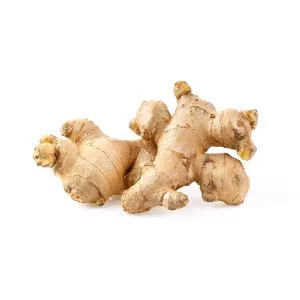
  • Fresh ginger — 4 g
  • Pink peppercorns — 6 berries
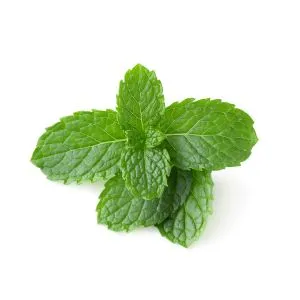
  • Mint leaves — 4 small leaves

Preparation

  1. Remove the rind and all seeds from the watermelon, then cut the flesh into small cubes.
  2. Place the watermelon into a large sterilised glass jar and gently crush about one-third of the fruit to release additional juice.
  3. Add the orange zest, fresh ginger, pink peppercorns and mint leaves.
  4. Pour the vodka over all the ingredients, ensuring everything is fully submerged.
  5. Seal the jar and store it in a cool, dark place for 10 days, gently shaking every two to three days.
  6. Strain the infusion through a fine sieve, then filter again through cheesecloth or coffee filters for improved clarity.
  7. Stir in the coconut sugar, honey and orange juice until completely dissolved.
  8. Bottle the liqueur and mature it in a cool, dark place for 4 weeks.
  9. Filter once more before serving if any sediment appears and serve well chilled.
Download

The Story

Miragio was inspired by the illusion of finding cool refreshment on a hot summer day. Watermelon naturally evokes memories of sunshine, garden gatherings and long evenings outdoors, while coconut sugar and honey bring a gentle depth that transforms the fruit into something more sophisticated. Orange brightens the profile, ginger adds subtle warmth, and pink peppercorns enhance the fruit's natural freshness without adding noticeable heat. A touch of mint lifts the entire composition. The result is a light yet elegant vodka liqueur that feels both familiar and surprising, balancing juicy sweetness with delicate botanical notes and a smooth finish that lingers pleasantly without becoming heavy.

Who is "Miragio" Liqueur for?

Miragio suits curious drinkers who enjoy elegant summer flavours with a refreshing twist. It appeals to slow sippers, garden party hosts and anyone seeking a lighter, fruit-forward liqueur with subtle botanical complexity and a refined, easy-drinking character.

"Miragio" Liqueur Serving Suggestions

Serve Miragio well chilled in a small liqueur glass or over a single large ice cube. Its watermelon freshness, orange brightness and delicate mint notes make it ideal for warm evenings, summer gatherings or as a light after-dinner digestif.

Why the Name "Miragio"?

The name Miragio comes from the word “mirage”, evoking the image of discovering a cool oasis during a hot summer day. Watermelon naturally represents refreshment, while the elegant Italian-inspired ending gives the liqueur a refined personality. The name suggests something beautiful, fleeting and inviting, perfectly matching the drink's bright and refreshing character.

Testing Notes

Several test batches showed that watermelon loses freshness if infused for too long, so keeping the maceration under ten days produced the best results. Limiting the mint prevented it from dominating the fruit, while coconut sugar added depth without masking the delicate watermelon aroma.

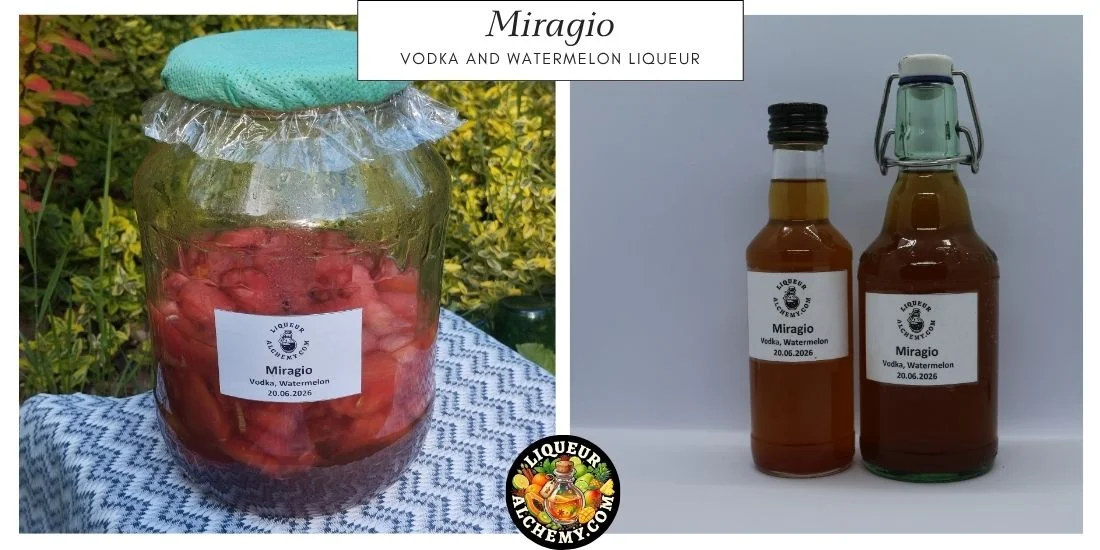
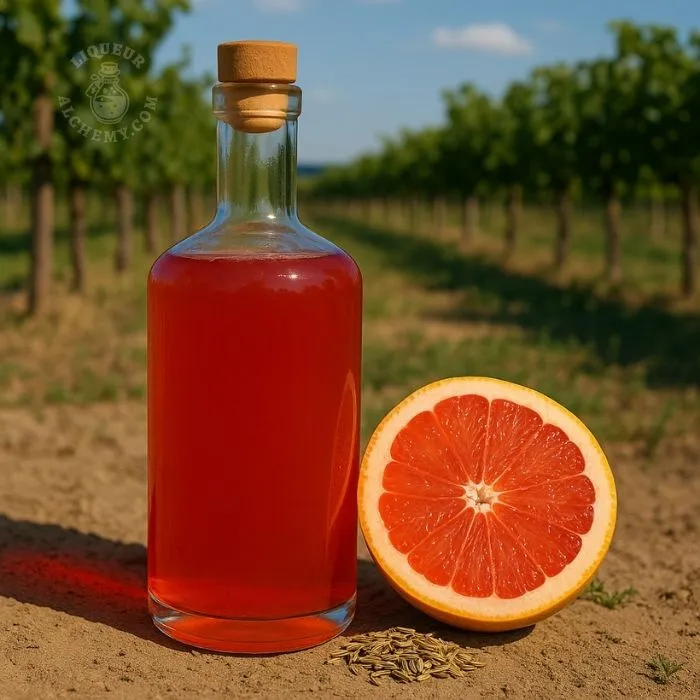
Miragio liqueur during maceration and finished bottled liqueur

Miragio Liqueur FAQ


Yes, coconut sugar and honey can be adjusted, but they should not be replaced carelessly because watermelon has a light flavour and very little natural depth once infused in alcohol. Coconut sugar gives gentle caramel, warm sweetness and a slightly tropical note, while honey rounds the texture and makes the finished liqueur feel smoother. If both are removed, the drink can become thin, sharp or flat, especially after filtering and resting.

If you do not have coconut sugar, use white sugar or light brown sugar, but reduce any darker sugar because it can dominate the watermelon. A good replacement is 120 g white sugar plus 30 g light brown sugar. If you do not want honey, increase the sugar by about 20 to 25 g, but expect a cleaner and less rounded finish. Maple syrup is possible, but it will move the flavour away from fresh watermelon and toward dessert-like notes.

The safest method is to sweeten gradually after straining the infusion. Dissolve the sugar and honey into the filtered alcohol, taste after 24 hours, then adjust if needed. Watermelon liqueur often tastes sweeter after resting, so avoid making it perfect on day one. Aim for slightly less sweetness at bottling, then let the flavours settle before deciding whether to add more.

View this Liqueur FAQ as a standalone page

Watermelon should usually infuse for a short time because its flavour is delicate and its flesh contains a lot of water. For this style of liqueur, around 8 to 10 days is enough to extract a fresh fruit character without encouraging dull, vegetal or cucumber-like notes. Longer maceration does not always mean stronger flavour with watermelon; after a certain point, the aroma can become less clean and the colour may also lose some of its brightness.

Mint and orange zest need more attention than the watermelon itself. Mint leaves can become grassy or bitter if left too long, especially if they are bruised heavily. Orange zest is safer, but the white pith should be avoided because it adds bitterness. If the mint smells strong after 4 to 5 days, it can be removed early while the watermelon continues infusing. The orange zest can normally stay for the full 10 days if only thin strips are used.

A practical approach is to check the jar after day 5. If the aroma is fresh, fruity and lightly herbal, leave it until day 8 or 10. If mint starts to dominate, remove the leaves immediately. Once strained, do not leave the fruit sitting in the alcohol. Filter clearly, sweeten, bottle and allow the liqueur to rest so the orange, ginger and pink peppercorns can soften into the watermelon base.

Watermelon liqueur can taste watery because the fruit itself is mostly juice and has a gentle aroma compared with berries, cherries or citrus peel. During maceration, the vodka extracts flavour, colour and juice, but it also becomes diluted by the fruit water. If the watermelon is under-ripe, bland or stored too long before use, the finished infusion may seem thin even when the recipe quantities are correct. This is one of the most common recipe-specific problems with watermelon.

Balance also matters. Too much sugar can make the liqueur taste sweet but not fruity, while too little sugar can make the alcohol seem sharp and empty. Coconut sugar and honey help by adding body, but they should support the watermelon rather than cover it. Orange juice brightens the flavour, ginger adds lift, and pink peppercorns help the fruit feel more aromatic. If any of these are increased too much, however, the drink may lose its clear watermelon identity.

To avoid a weak result, use ripe, fragrant watermelon and remove all rind and seeds. Gently crush part of the fruit before adding vodka so more juice and aroma are released. After filtering, let the liqueur rest for several weeks before judging it. If it still tastes too thin, a small extra amount of honey or coconut sugar can improve body, but adding more watermelon after bottling is not recommended because it can cloud the drink and reduce stability.

The best way to adjust watermelon liqueur is gradually, after the first filtration. Watermelon has a soft flavour, so large changes can quickly push the drink out of balance. Coconut sugar adds warm sweetness, honey adds smoothness, orange juice gives gentle acidity, ginger brings light warmth, and pink peppercorns add a fruity aromatic edge. Each ingredient affects the whole profile, so small adjustments are safer than adding a large amount at once.

If the liqueur is too sharp, add a little more honey or coconut sugar and let it rest for at least 24 hours before tasting again. If it is too sweet, do not add water. Instead, use a very small amount of orange juice or a few millilitres of neutral vodka to freshen the finish. If ginger is too noticeable, resting usually softens it. If mint dominates, it cannot easily be removed from the flavour after filtering, which is why short contact time is important.

For this recipe, the target should be refreshing rather than syrupy. The sweetness should appear first, followed by watermelon, orange brightness and a light aromatic finish. A well-balanced batch should feel smooth when chilled, not sticky at room temperature. Always taste a small sample cold before making final adjustments, because this liqueur is intended to be served well chilled and the flavour will seem cleaner at that temperature.

After straining, watermelon liqueur benefits from careful filtering and a proper resting period. The fruit releases fine pulp that can remain suspended in the alcohol, especially if the watermelon was crushed. A first pass through a fine sieve removes the larger pieces, but a second filtration through cheesecloth or coffee filters gives a cleaner finish. Do not force the liquid through too aggressively, because pressing pulp can make the liqueur cloudy and may introduce dull flavours.

Once sweetened with coconut sugar, honey and orange juice, the liqueur should be bottled and left in a cool, dark place for about 4 weeks. During this time, the alcohol softens, the sweetness integrates and the ginger, mint and pink peppercorns become less separate. Some sediment may appear at the bottom of the bottle, especially when using honey or coconut sugar. This is normal, but the liqueur can be filtered again before final serving or presentation.

Store the finished bottle away from sunlight and heat. Because watermelon is delicate and juicy, this style is best enjoyed younger than heavier berry or spice liqueurs. For the freshest flavour, drink it within 6 to 12 months. Keep it tightly sealed, and refrigerate after opening if possible. Serve well chilled, and avoid storing it with fruit pieces inside the bottle, as that can shorten shelf life and reduce clarity.

RALETED RECIPES OF LIQUEUR ALCHEMY


Explore more creations from Liqueur Alchemy that share similar flavours, techniques, or ingredients. These related recipes offer fresh ideas and inspired combinations to help you craft your next bold, homemade spirit.