Rose Hip

Rose Hip in Liqueur Making: Tart Fruit and Floral Depth

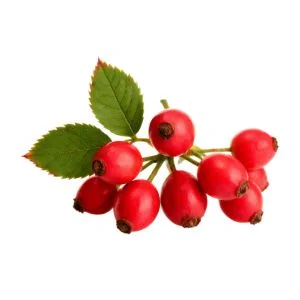
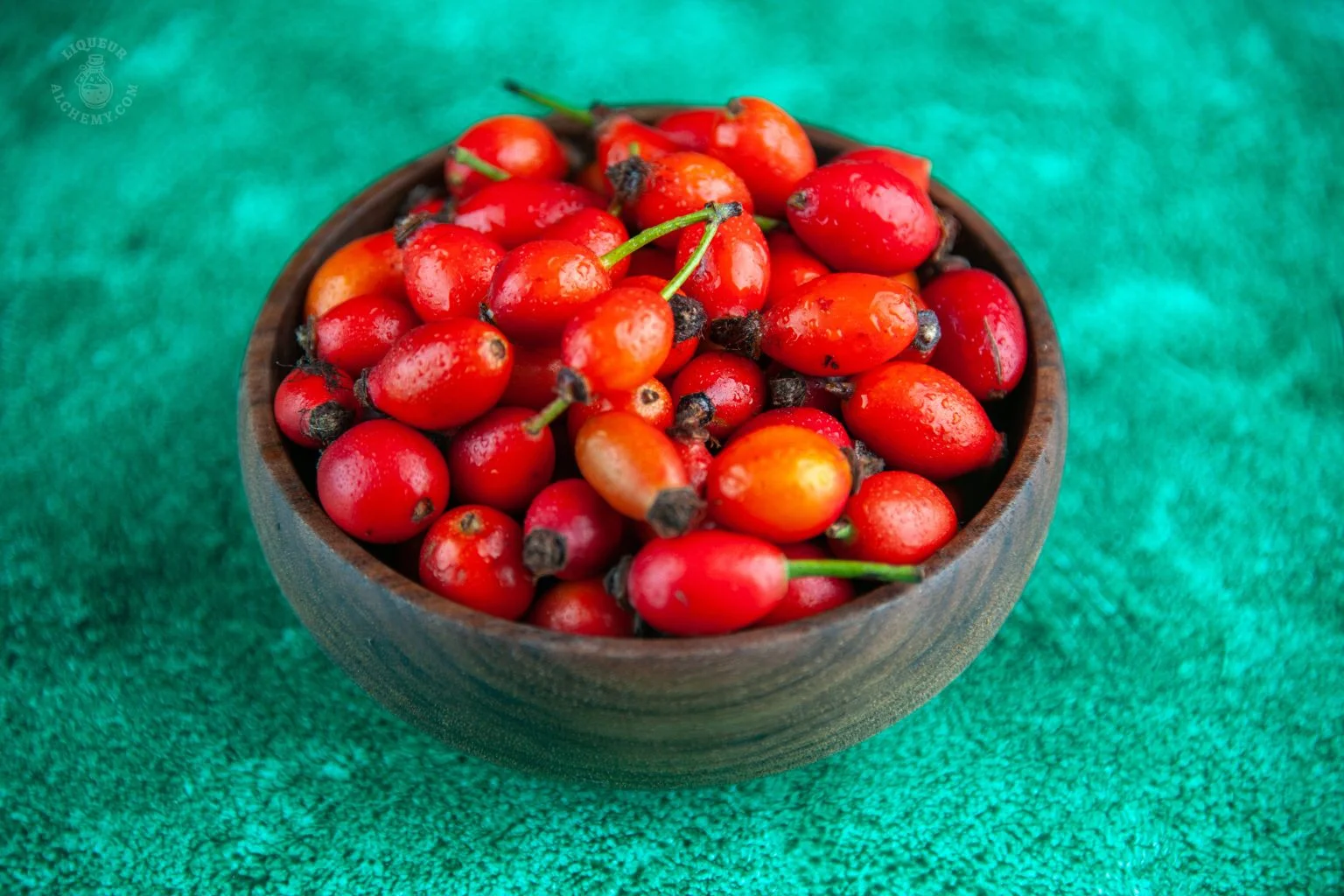
Rose hip brings a distinctive sweet-tart character to liqueurs, with notes of red fruit, citrus, apple and subtle floral warmth. During infusion it contributes amber-red to orange tones, lively acidity and a gently rounded fruit aroma. Dried hips give a deeper, softer profile, while fresh fruit can taste brighter and sharper. Rose hip works especially well with vodka, gin and brandy, balancing honey, vanilla and warming spices while adding structure and freshness.

Rose Hip

Home / Ingredients / Fruits / Rose Hip

Rose Hip Flavor Profile

Bright sweet-tart fruit with notes of cranberry, apple, citrus peel and subtle floral warmth, supported by gentle tannins.

Rose Hip Impact on Liqueurs

Adds vivid acidity, red-orange color, delicate floral fruitiness and light tannic structure, helping sweet liqueurs taste fresher and more balanced.

How to Use Rose Hip?

Use ripe, clean rose hips with stems and blossom ends removed. For fresh hips, split or lightly crush them to improve extraction and remove inner hairs and seeds if desired for a cleaner result. Dried rose hips can be infused directly. Macerate for approximately three to five weeks, tasting regularly, as long extraction may increase tannins and earthy notes. Strain very carefully through fine filtration before sweetening and bottling.

Rose Hip Pairing Suggestions

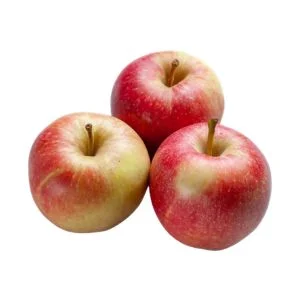
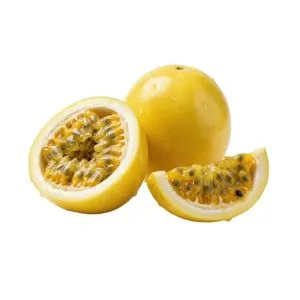
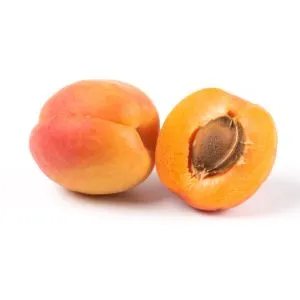
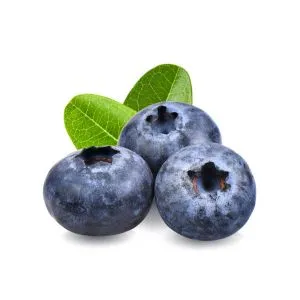
Vodka, Honey, Vanilla, Orange, Lemon, Cinnamon, Ginger, Apple, Hibiscus
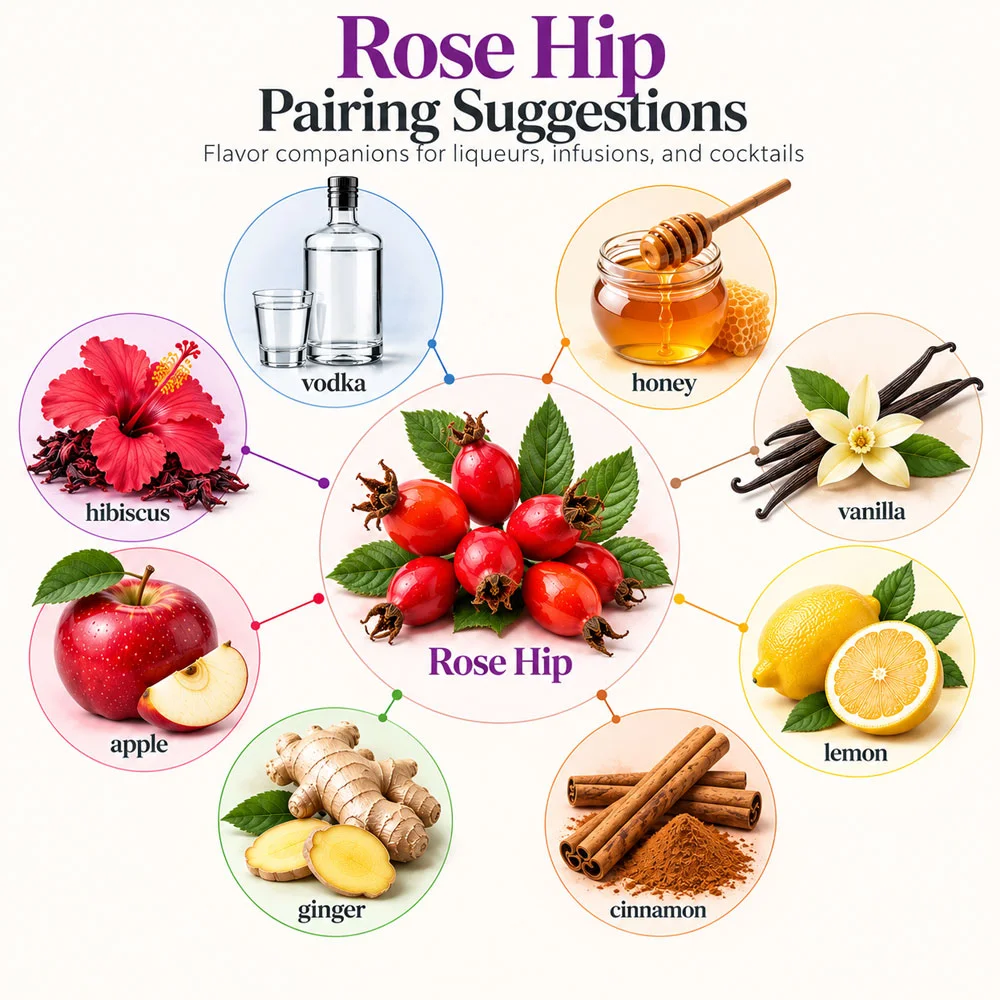
Rose Hip pairing suggestions for liqueur making

Rose Hip FAQ


Freezing rose hips before infusion can improve both flavor and color extraction because ice crystals rupture some of the fruit’s cell walls. Once the hips are thawed, alcohol can penetrate the softened flesh more easily and dissolve pigments, acids and aromatic compounds more efficiently. This is especially useful with firm, freshly harvested hips that have thick skins or dense flesh. Freezing does not create new flavor, but it can make the extraction process faster and more complete, often producing a stronger red-orange hue and a fuller sweet-tart fruit profile.

For liqueur making, freeze clean, ripe rose hips in a single layer or loosely packed container, then thaw them fully before placing them in the infusion jar. Remove stems and blossom ends first, and inspect the fruit for mold or damage. If the hips are large, they can be split after thawing to expose more surface area. Freezing is particularly useful when working with fresh fruit, while dried rose hips usually do not need this step because drying has already altered the fruit structure and concentrated the flavor.

The main mistake is assuming that freezing eliminates the need to monitor infusion time. Because extraction can become more efficient after freezing, bitterness and tannins may also build more quickly if the hips remain in alcohol too long. Taste the infusion regularly after the first couple of weeks. For most vodka-based rose hip liqueurs, a controlled maceration of roughly three to five weeks is usually sufficient. Freeze for extraction efficiency, not for longer maceration.

Rose hip has a distinctive balance of tartness, fruitiness and subtle floral warmth, so the closest effect usually comes from combining ingredients rather than relying on a single replacement. Hibiscus is one of the strongest choices for tart floral character because it contributes bright acidity, deep red color and a lightly botanical aroma. Cranberries add sharp red-fruit notes, while sour cherries give a darker, richer fruit quality. Apple can soften the profile with gentle sweetness and body, making the final infusion feel closer to the rounded character of ripe rose hips.

Citrus peel is also useful, especially orange or lemon peel used in small quantities. Rose hips often have a citrus-like brightness rather than a true citrus flavor, so a little peel can recreate that lifted edge without dominating the infusion. Elderflower can add delicate floral aroma, but it should be used sparingly because it is much more perfumed than rose hip. A blend of cranberry, apple and a small amount of hibiscus can be particularly effective when the goal is to mimic rose hip in a homemade liqueur.

The key is balance. Too much hibiscus can make the liqueur sharply acidic and tea-like, while too much citrus peel may introduce bitterness. Strong floral ingredients can also overpower the fruit base. Build the profile gradually and taste often. Rose hip is subtle rather than aggressively floral, so successful substitutes should support tart fruit, gentle tannin and freshness without turning the liqueur into a heavily perfumed botanical infusion.

A useful starting point for fresh rose hips is about 300 to 500 grams per litre of vodka or another neutral spirit. This range usually gives enough fruit for a noticeable sweet-tart profile, attractive red-orange color and gentle tannic structure without creating an excessively dense or astringent infusion. If the hips are especially aromatic and fully ripe, the lower end may be sufficient. Firmer or less intensely flavored fruit may benefit from a higher ratio. For a bold fruit-forward liqueur, some makers may use more, but increasing fruit also increases acidity and tannin.

Dried rose hips should be used in much smaller quantities because drying concentrates their flavor and reduces water content. A typical starting point is around 100 to 200 grams per litre, depending on how dry and finely cut the material is. Chopped dried hips extract faster than whole dried fruit. Fresh hips that have been frozen and thawed may also release flavor more efficiently, so the exact amount can be adjusted downward if the infusion becomes intense quickly.

Do not judge dosage by weight alone. Preparation method, ripeness, spirit strength and infusion time all affect the result. Start with a moderate amount, taste through the maceration period and stop when the balance is right. If the liqueur is too weak after straining, it is easier to reinforce it with a short secondary infusion than to correct an overly tannic batch. A controlled dosage gives you more flexibility when balancing sweetness later.

Rose hip liqueur can become too tannic when alcohol extracts too much astringent material from the fruit’s skins, seeds and fibrous tissues. Tannins are useful in moderation because they provide structure and prevent a sweet liqueur from tasting flat. However, excessive tannin creates a drying sensation on the tongue and can make the finish feel rough, woody or harsh. Long maceration is the main cause, particularly when the fruit has been cut open or crushed, since the alcohol gains easier access to tannin-rich material.

Fruit condition also matters. Underripe rose hips tend to contain more aggressive astringency and less developed sweetness, so they can produce a firmer, less balanced infusion. Using a very high fruit-to-alcohol ratio can increase tannin concentration as well. Dried rose hips may also create a stronger tannic impression because their solids are concentrated. Adding other tannic ingredients such as strong tea, oak, certain spices or large amounts of citrus peel can push the finished liqueur further out of balance.

The best approach is to taste during infusion and strain as soon as the fruit character is developed. Do not wait for the maximum possible color extraction if the texture is already becoming dry. After straining, a moderate amount of sugar or honey can soften tannin perception, and resting the liqueur for several weeks may help the edges integrate. If the batch remains too astringent, blending with uninfused spirit or a softer fruit infusion is often more effective than adding excessive sweetness.

Rose hip ripeness has a significant effect on the finished liqueur. Fully ripe hips are usually softer, deeper in color and more aromatic, producing a rounder sweet-tart profile with clearer red-fruit, apple and citrus-like notes. They also tend to integrate more smoothly with sugar or honey after infusion. Underripe hips are firmer and often contain a stronger proportion of green, astringent and acidic flavors, which can make the finished liqueur taste harsher and less fruity.

Very soft, late-season hips can produce an especially rich and mellow character, but they need careful inspection because damaged or overripe fruit can develop off aromas, fermentation or mold before it reaches the jar. A light frost is traditionally associated with softer rose hips because cold can reduce firmness and make the fruit taste sweeter, although freezing harvested hips at home can create a similar structural effect. What matters most is using sound fruit with strong color and no signs of spoilage.

For a balanced liqueur, choose hips that are fully colored and ripe but still clean and intact. If a batch contains a mixture of ripeness levels, the extraction may be less predictable, with some fruit contributing brightness and other fruit adding excessive tannin. Sorting before infusion improves consistency. Ripeness also influences how much sweetener is required later, so taste the strained infusion first rather than applying a fixed sugar level to every batch.
Rose Hip
Rose Hip in Liqueur Crafting

More Fruits


LIQUEUR ALCHEMY TOOLS & RESOURCES


Design labels in minutes—beautiful, practical, and ready to print. Choose a tool below to generate bottle or ingredient labels that match your Liqueur Alchemy workflow.
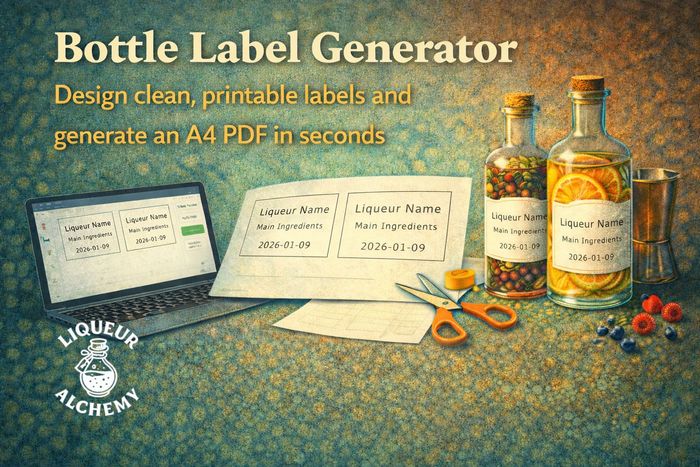
Bottle Label Generator preview

Bottle Label Generator

Create clean bottle labels with your liqueur name, batch details, date — ready for printing and gifting.
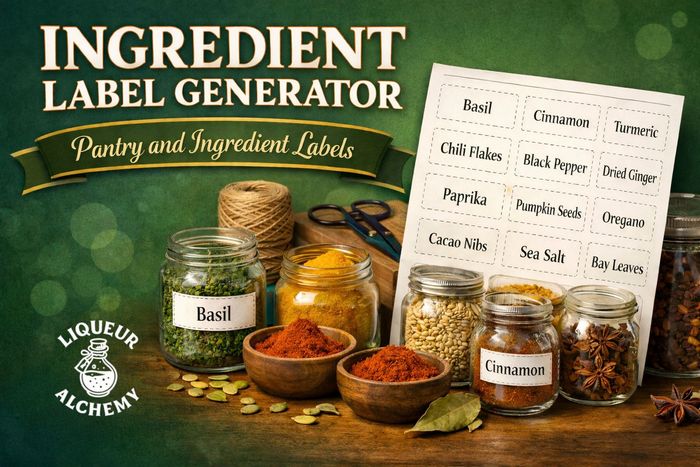
Ingredient Label Generator preview

Ingredient Label Generator

Label jars, containers, and storage bags to maintain clear organization from preparation through infusion and serving.
Ingredient pairing cheat sheet for creating balanced homemade liqueurs

Ingredient Pairing Cheat Sheet

Discover flavor combinations that create balanced, complex, and unique homemade liqueurs.