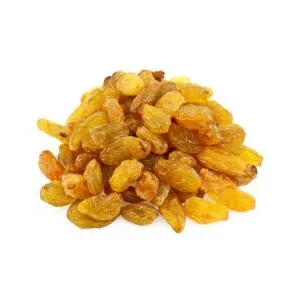
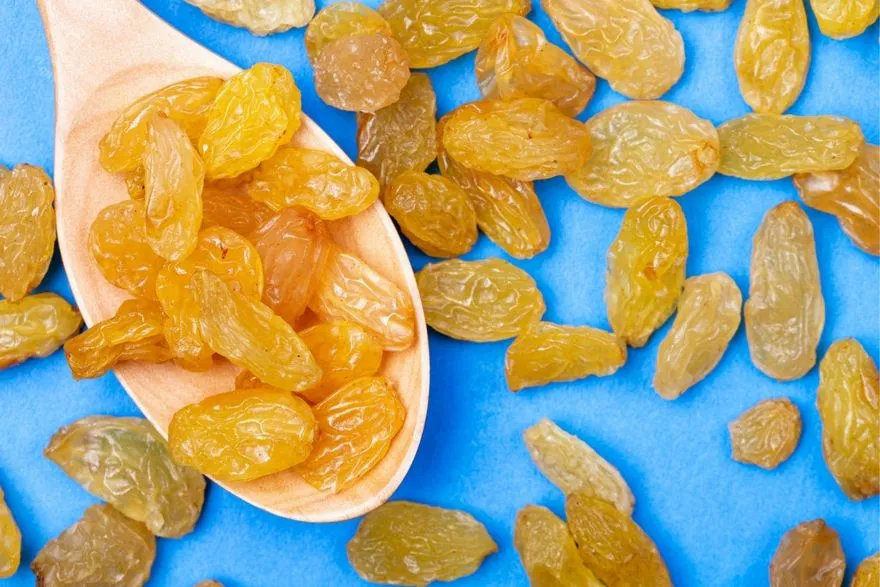
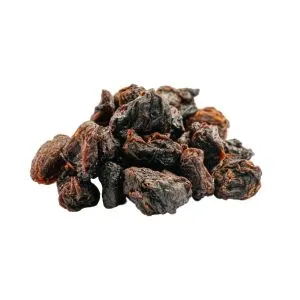
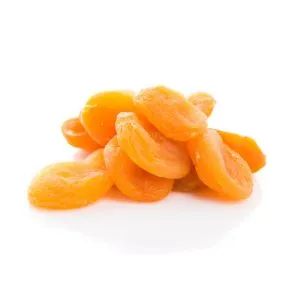
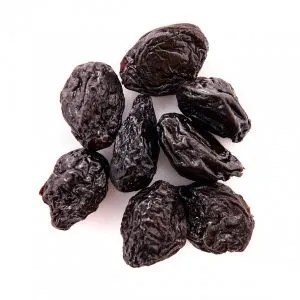
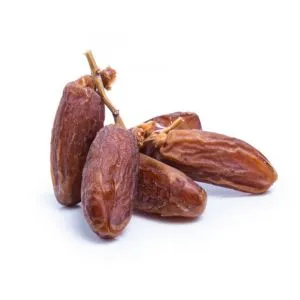
Raisins (Golden)

Raisins (Golden) for Liqueur Infusions – Flavor & Pairing Tips

Golden raisins provide delicate sweetness and smooth, rounded fruit tones that soften alcohol’s edge and deepen complexity. Their subtle honey flavor and golden hue enrich both color and texture, producing a velvety, full-bodied character. Ideal in brandy or spiced liqueurs, they blend beautifully with nuts, citrus, and vanilla, creating smooth, comforting infusions with elegant warmth and depth.

Raisins (Golden)

Home / Ingredients / Dried Fruits / Raisins (Golden)

Raisins (Golden) Flavor Profile

Honeyed dried-fruit sweetness, light caramel notes.
Raisins (Golden) Impact on Liqueurs

Adds smooth sweetness and body.

How to Use Raisins (Golden)?

Chop lightly; 200–350 g per 1 L. Infuse 3–6 weeks in brandy or rum.

Raisins (Golden) Pairing Suggestions

Rum, Cane Sugar, Vanilla, Cinnamon, Orange Peel, Honey, Clove, Nutmeg
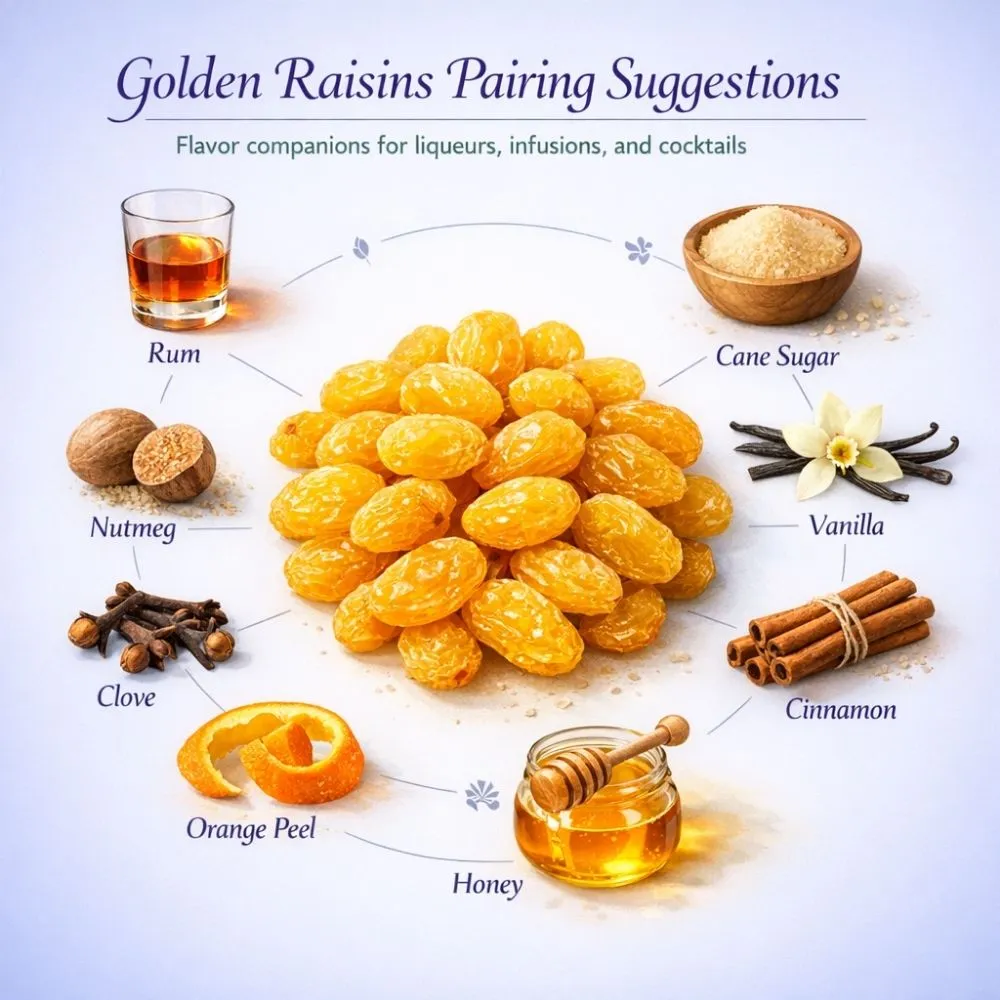
Raisins (Golden) pairing suggestions for liqueur making

Raisins (Golden) FAQ


Golden raisins add honeyed, light caramel notes and a subtle “winey” roundness that boosts body. They extract slowly, so plan 2–6 weeks at 40–50% ABV, tasting weekly. Chop or halve for faster extraction, but expect more sediment if you cut too fine.

Dosage: 150–300 g per liter is a useful range depending on how raisin-forward you want it. If raisins are very sweet, reduce your later syrup plan. Golden raisins are especially good for filling out thin fruit liqueurs—grape, citrus, cranberry—without turning everything brown and heavy.

Common mistakes include using old raisins that taste musty and steeping warm (oxidation). Flavor impact should be smooth, rounded, and slightly floral. Store cool and dark; raisin-based liqueurs age well and improve after a few weeks of rest.

Musty raisin flavor usually comes from old raisins, poor storage, or raisins that absorbed odors. Unfortunately, mustiness is hard to remove once it’s extracted. You can sometimes reduce it by blending down with clean base and adding brighter aromatics like citrus zest (briefly infused) and a touch of vanilla.

Prevention is better: buy fresher raisins, store them sealed, and avoid bargain packs that have sat open. Rinse before use and keep maceration cool and dark. Also avoid grinding raisins—more surface area means more musty notes extracted.

Common mistakes include using raisins that smell off before infusion and steeping for months. Flavor impact should be honeyed and wine-like, not damp cardboard. If the mustiness is strong, it’s usually best to discard and restart with better fruit.

Several factors influence the extraction of flavors from golden raisins in liqueur making. The soaking time is crucial; longer periods allow for more complete flavor extraction. Typically, a range of 5 to 14 days is recommended, depending on the desired intensity.

The choice of alcohol also plays a significant role. Higher alcohol content can extract flavors more efficiently, while lower alcohol may require more time to achieve similar results. Experimenting with different spirits can help find the ideal balance for your liqueur.

Finally, the cut size of the raisins can affect extraction. Chopping or mashing them can increase surface area, leading to faster and more effective flavor release. Adjusting these variables can help craft a liqueur that perfectly captures the essence of golden raisins.

To avoid mistakes, start by soaking the golden raisins in warm water or alcohol for at least a few hours. This step helps to release their natural sugars and flavors, enhancing the final product.

Be mindful of the quantity used; golden raisins are sweet, so a little goes a long way. Experiment with smaller amounts first to find the right balance for your specific recipe.

Finally, ensure you give your liqueur enough time to infuse. A longer infusion period allows the flavors to develop fully, resulting in a richer and more harmonious liqueur.

While fresh fruits can be used in liqueur recipes, they won't provide the same concentrated sweetness and flavor as golden raisins. If you choose to use fresh fruits, consider using ripe peaches or pears, which can mimic the sweetness.

Keep in mind that fresh fruits contain more moisture than dried fruits, which may alter the final consistency of your liqueur. To counter this, you might need to adjust the overall liquid content in your recipe to maintain balance.

Additionally, using fresh fruits will require a shorter infusion time compared to dried fruits. Monitor the infusion process closely to ensure you achieve the desired flavor without overpowering the other ingredients.
Raisins (Golden)
Raisins (Golden) in Liqueur Crafting

More Dried Fruits


LIQUEUR ALCHEMY TOOLS & RESOURCES


Design labels in minutes—beautiful, practical, and ready to print. Choose a tool below to generate bottle or ingredient labels that match your Liqueur Alchemy workflow.
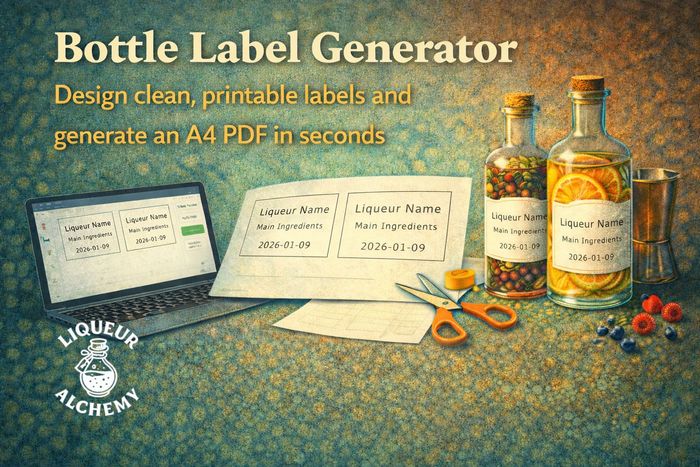
Bottle Label Generator preview

Bottle Label Generator

Create clean bottle labels with your liqueur name, batch details, date — ready for printing and gifting.
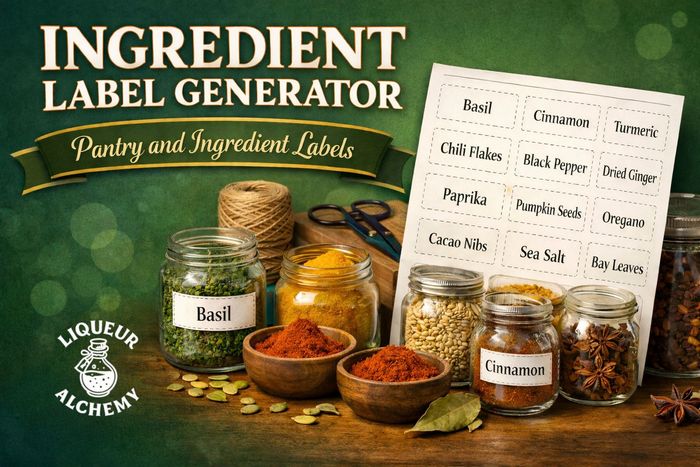
Ingredient Label Generator preview

Ingredient Label Generator

Label jars, containers, and storage bags to maintain clear organization from preparation through infusion and serving.
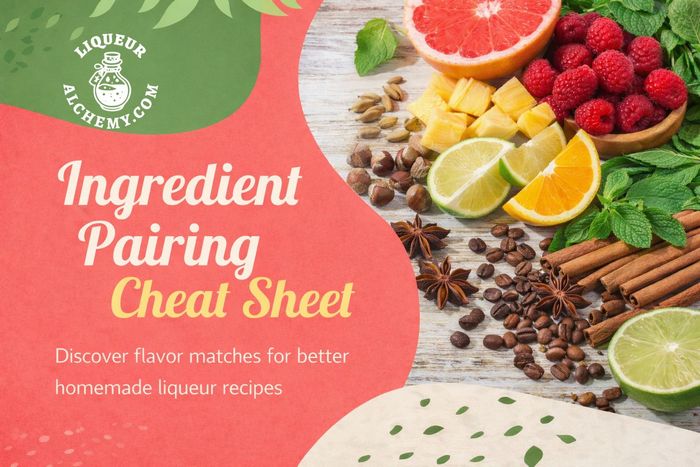
Ingredient pairing cheat sheet for creating balanced homemade liqueurs

Ingredient Pairing Cheat Sheet

Discover flavor combinations that create balanced, complex, and unique homemade liqueurs.