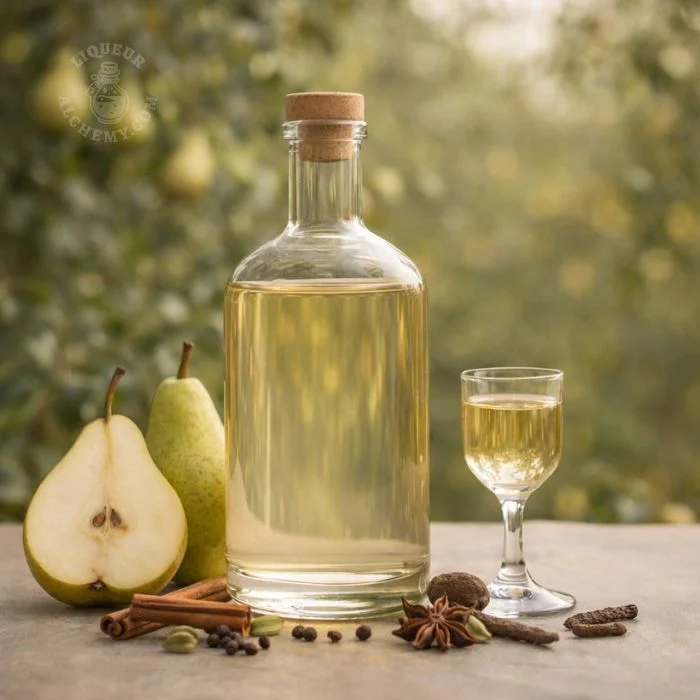
Why can a pear liqueur with cinnamon, cloves, cardamom, and long pepper turn flat, cloudy, or over-spiced after straining?
Troubleshooting Common Homemade Liqueur Problems and Fixes
Direct Answer
Cloudiness and a flat or over-spiced finish usually come from excessive shaking, over-extraction, or pressing the fruit too hard. Pear liqueur stays cleaner when handled gently and strained carefully.
Expanded Explanation
This usually comes from pushing extraction too hard or disturbing the fruit too much during maceration. Frequent shaking can break down the pear flesh and release extra pulp, which makes the liqueur harder to clarify later. Warm conditions help extraction, but they also speed up how quickly spices move from fragrant to dominant.
Another common issue is spice imbalance. Cloves, nutmeg, and long pepper are powerful even in small amounts, and once they go too far, the result can feel dull rather than vibrant. Instead of tasting deeply spiced, the liqueur starts losing the juicy pear note and becomes dry, heavy, or slightly bitter on the finish.
Straining technique matters as well. Pressing the fruit too aggressively can force fine solids and harsher flavours into the liquid. A gentler press, followed by patient filtering and a proper rest, gives a cleaner finish. The aim is not maximum extraction at all costs, but preserving the bright pear core while keeping the spice warm and polished.