Why does cranberry liqueur sometimes turn overly bitter or astringent?
Troubleshooting Common Homemade Liqueur Problems and Fixes
Direct Answer
Cranberry liqueur becomes bitter when over-infused, over-crushed, or under-sweetened, causing harsh extraction and a drying finish.
Expanded Explanation
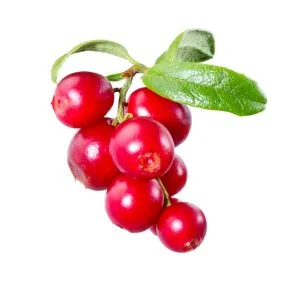
Cranberry liqueur turns bitter or astringent most often because the fruit has been infused too long, broken down too aggressively, or paired with an alcohol setup that pulls out too much from skins and internal solids. Cranberries naturally contain sharp acids and a drying quality, so once the pleasant tartness has been extracted, continued soaking can start bringing out harsher notes. These may show up as a rough finish, a puckering sensation, or a bitterness that lingers longer than the fruit flavor itself. The risk rises when the berries are crushed hard or blended rather than simply halved or bruised.
Bitterness can also come from recipe imbalance rather than extraction alone. If the sweetener level is too low, the natural sternness of cranberry becomes much more obvious. What should taste bright and structured instead tastes severe and unpleasant. Strong spice additions, too much citrus pith, or very high-proof alcohol can worsen the effect by stacking dryness and bitterness on top of the berry’s natural edge. Sometimes the liqueur is not actually over-extracted; it is just under-balanced and needs more sweetness, rest time, or blending.
Prevention comes from moderation and tasting. Use sound fruit, consider freezing rather than heavy crushing, and start checking the infusion regularly after about two weeks. Strain once the cranberry flavor is clear and lively rather than waiting for the fruit to collapse completely. Then adjust sweetness thoughtfully and let the liqueur rest. Cranberry needs support, not brute force. When handled carefully, it gives elegant tension and freshness. When overworked, it can become drying, bitter, and less enjoyable.