Why does canary melon sometimes taste weak or diluted in liqueurs?
Troubleshooting Common Homemade Liqueur Problems and Fixes
Direct Answer
Canary melon often tastes weak because it is water-rich and delicate, so ripe fruit, smart dosage, and gentle structure are essential.
Expanded Explanation
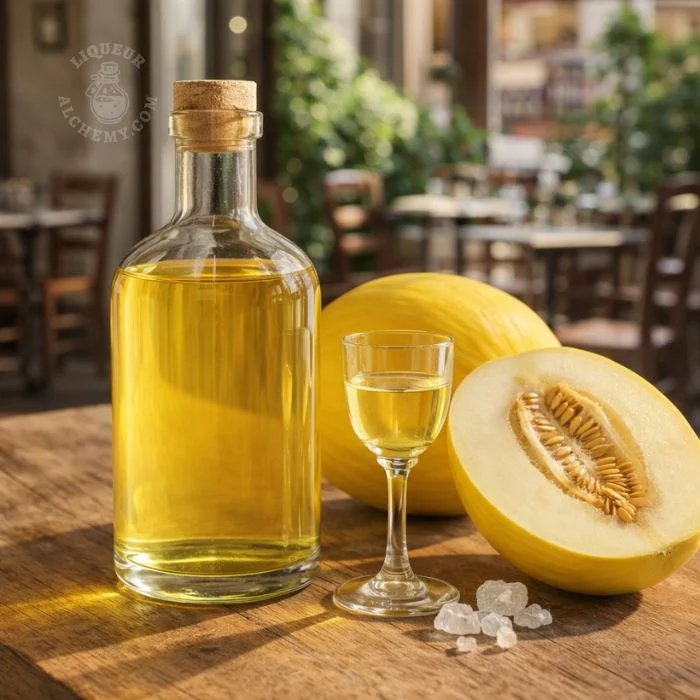
Canary melon can taste weak or diluted in liqueurs because it is a water-rich fruit with a naturally gentle flavor profile. Even when ripe, it usually relies on soft honeyed sweetness and a delicate floral-fruit aroma rather than bold acidity, tannin, or powerful essential oils. That means the alcohol can easily overshadow it if the fruit dose is too low, the spirit is too assertive, or the recipe contains stronger ingredients that pull attention away from the melon. A batch may smell pleasant while still tasting disappointingly light because the fruit’s aromatic top notes do not always translate into strong mid-palate intensity without help.
The problem often starts with the fruit itself. If the melon is underripe, chilled too long, or simply not very fragrant, the infusion may never develop enough presence no matter how long it sits. Over-infusion can also make things worse rather than better. Instead of growing stronger in a useful way, the melon may lose its bright, juicy identity and drift toward a watered-down or bland character. Too much added syrup, too much dilution after infusion, or excessive filtering can flatten it further. This is why canary melon liqueurs often fail not from a single dramatic mistake, but from several small choices that all reduce intensity at the same time.
To avoid that diluted result, use ripe, aromatic fruit and a spirit that does not fight the melon. Dose generously enough for the fruit to register, but do not rely on time alone to solve weakness. Build structure with a light hand, such as a touch of lemon zest, ginger, or cardamom, and sweeten gradually rather than heavily. The goal is not to make canary melon behave like a bold tropical fruit. The goal is to preserve its soft, elegant identity while giving it enough support to remain vivid in the bottle.