Hibiskiss

Crimson Hibiscus Liqueur with Honey, Orange and Pink Pepper

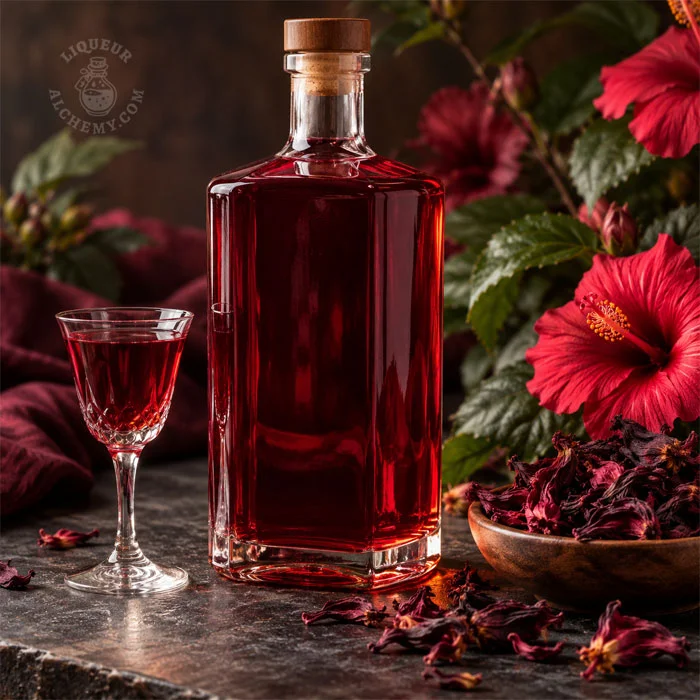
Hibiskiss is a vibrant vodka-based liqueur combining intensely tart and floral dried hibiscus with smooth honey, aromatic orange peel and soft vanilla. Pink peppercorns introduce a subtle fruity spice, creating a deep crimson drink with lively acidity, restrained sweetness and a gently warming, botanical finish.

Main notes

  • Vodka
  • Dried Hibiscus

Ingredients

  • Vodka — 1 L
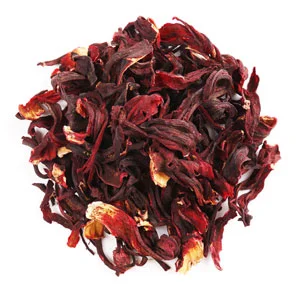
  • Dried Hibiscus — 50 g
  • Honey — 200–250 g
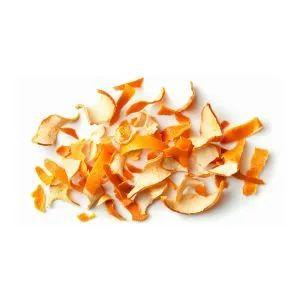
  • Dried Orange Peel — 5 g
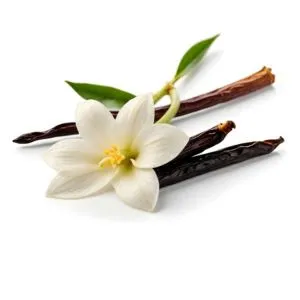
  • Vanilla Bean — ½ pod
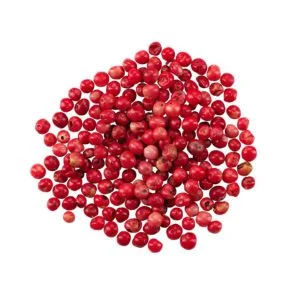
  • Pink Peppercorns — 8

Preparation

  1. Inspect the dried hibiscus and remove any unwanted stems, debris or discoloured pieces. Check the dried orange peel and avoid pieces containing excessive white pith.
Download

The Story

Hibiskiss is a vivid crimson liqueur built around the bold character of dried hibiscus. Naturally tart and floral, the infusion is softened with honey, while dried orange peel adds a bright citrus edge. Vanilla brings gentle roundness, and pink peppercorns contribute a delicate fruity spice that quietly lifts the botanicals rather than dominating them. The result is striking in both colour and flavour: aromatic, refreshing and slightly mysterious. Hibiskiss plays with contrasts—sharp yet smooth, floral yet warming, vibrant yet elegant—a ruby-red infusion with enough personality to make every small glass memorable.

Who is "Hibiskiss" Liqueur for?

Hibiskiss is for adventurous drinkers drawn to vivid flavours, unusual botanicals and elegant contrasts. Its tart hibiscus, mellow honey, citrus and delicate peppery lift suit curious palates, slow sippers and anyone looking for something distinctly different from conventional sweet fruit liqueurs.
"Hibiskiss" Liqueur Serving Suggestions

Serve Hibiskiss lightly chilled in a small stemmed glass, allowing its crimson colour and floral aroma to shine. Its tart hibiscus, honeyed softness and subtle citrus-pepper finish make it particularly suited to after-dinner sipping, summer evenings or an unusual aperitif shared with friends.

Why the Name "Hibiskiss"?

Hibiskiss combines “hibiscus” with “kiss”, capturing both the main botanical and the liqueur’s playful personality. The name reflects the immediate rush of tart, floral hibiscus followed by softer honey and vanilla, almost like a sharp first kiss that quickly becomes sweeter. Its vivid crimson colour adds another connection, giving the name a slightly romantic, mischievous character.

Testing Notes

Fifty grams of dried hibiscus gives the vodka intense colour and flavour without requiring a heavy botanical dose. The infusion should be tasted regularly because hibiscus can become increasingly tart and drying. Pink peppercorns are best kept restrained, while adding the honey after filtration makes final sweetness considerably easier to control.

Hibiskiss Liqueur FAQ


If dried hibiscus is unavailable, the closest substitutes are ingredients that combine noticeable acidity with red-fruit or floral notes. Dried cranberries can provide tart fruitiness, while rose hips give a softer, earthy-fruity acidity. A small amount of dried rose petals can restore some floral aroma, but they should not be used in the same quantity as hibiscus because their perfume can quickly become dominant.

No single substitute perfectly reproduces hibiscus. Hibiscus contributes intense crimson colour, refreshing acidity and a slightly tannic finish at the same time. Cranberry produces a fruitier result, rose hip is rounder and less vividly floral, and rose petals provide aroma without the same acidity. Combining cranberry or rose hip with a restrained amount of rose petals can create a closer overall effect.

When substituting, begin conservatively and taste throughout infusion rather than matching the original 50 g weight automatically. The honey may also need adjustment because a less acidic botanical can make the same amount of sweetener taste considerably sweeter. Keep the orange peel, vanilla and pink peppercorns restrained so the replacement ingredient remains the central flavour.

Dried hibiscus extracts much faster than most fresh fruits. For an infusion using about 50 g per litre of vodka, roughly 10 to 14 days is usually sufficient to develop a deep crimson colour and a pronounced tart, floral flavour. Begin tasting during the second week rather than assuming that a longer maceration will automatically produce a better result.

Dried orange peel and pink peppercorns can become dominant before the hibiscus is ready. If the orange develops noticeable bitterness or the pepper becomes sharply spicy, remove those ingredients and allow the hibiscus and vanilla to continue infusing. This selective removal gives much better control than straining everything at the same time.

The infusion is ready when the hibiscus tastes vivid and pleasantly tart without an excessively dry or tannic finish. Extending maceration unnecessarily can produce more astringency rather than useful flavour. After straining, filter carefully before adding the honey so the sweetness can be judged against the finished botanical infusion.

Excessive dryness usually comes from over-extracting the dried hibiscus. Hibiscus naturally contains acids and tannin-like compounds that give the drink structure, but prolonged maceration or an unnecessarily large quantity can make the finish harsh and astringent. Around 50 g per litre provides plenty of character, so increasing the quantity is rarely necessary for a stronger-tasting result.

Bitterness can also come from dried orange peel, particularly when it contains a substantial amount of white pith. Pink peppercorns are another possible source of imbalance if heavily crushed or left to dominate the infusion. These ingredients should support the hibiscus rather than compete with it, and they can be removed separately if their flavours develop faster.

If the strained liqueur is slightly too sharp, honey and resting time can soften the impression considerably. Severe bitterness is harder to correct, so prevention is preferable. Taste during maceration, strain once the desired intensity is reached, and avoid compensating for excessive extraction with large amounts of honey, which can leave the drink both bitter and overly sweet.

For a litre of vodka infused with 50 g of dried hibiscus, about 200 g of honey is a sensible starting point. Hibiscus has substantial natural acidity, so this amount softens its sharpness while preserving the refreshing tart character. The exact requirement varies with the hibiscus, honey variety and strength of the finished infusion.

Add the honey after straining rather than committing to the full amount before maceration. Stir in the initial quantity thoroughly, allow it to integrate, then taste. If the liqueur remains sharper than desired, increase the honey gradually toward approximately 250 g. Small additions are easier to control than trying to correct an overly sweet batch.

Remember that sweetness becomes more integrated during resting. Vanilla can also make the liqueur seem sweeter without adding sugar, while orange peel can make the finish appear drier. Aim for a slight tart edge immediately after sweetening rather than eliminating the acidity completely; after several weeks of rest, the overall profile should become noticeably rounder and smoother.

After filtering and sweetening, allow the bottled liqueur to rest for at least two to three weeks before judging its final flavour. Freshly strained hibiscus can taste sharply acidic, while the orange, vanilla and pink peppercorn notes may initially seem separate. Resting allows these elements to integrate with the honey and produces a smoother, more coherent finish.

Store the liqueur in a clean, tightly sealed glass bottle in a cool, dark place away from direct sunlight and significant temperature changes. Strong light can gradually affect colour and flavour, while a secure closure limits evaporation and oxidation. If fine sediment develops after the first filtration, the liqueur can be carefully filtered again before final bottling.

Taste again after several weeks of rest. The hibiscus should remain lively, but its sharper edges should become softer and the honey more integrated. Longer resting can further round the profile, although the liqueur does not need extended ageing to become enjoyable. Serve from a clean bottle and keep storage conditions stable once the desired balance has developed.

RALETED RECIPES OF LIQUEUR ALCHEMY


Explore more creations from Liqueur Alchemy that share similar flavours, techniques, or ingredients. These related recipes offer fresh ideas and inspired combinations to help you craft your next bold, homemade spirit.