What flavor profile does canary melon bring to homemade liqueurs?
Flavor Balance and Texture in Homemade Liqueurs
Direct Answer
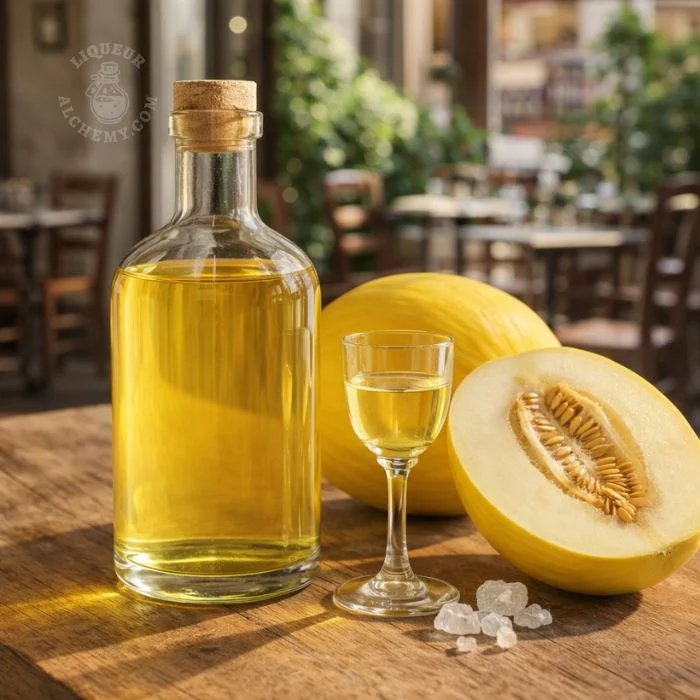
Canary melon adds honeyed sweetness, juicy freshness, soft floral lift, and an elegant, light-bodied fruit profile to liqueurs.
Expanded Explanation
Canary melon brings a soft, elegant fruit profile built around honeyed sweetness, juicy freshness, and light floral notes. It is not a sharp or aggressive ingredient, and it does not usually provide the strong acid-driven brightness that citrus or tart berries do. Instead, it contributes a smoother, rounder type of freshness that feels calm, clean, and refined. In a well-made liqueur, the melon can suggest pear, pale tropical fruit, soft nectar, and a subtle perfume that gives lift without shouting. This makes it particularly attractive for recipes that aim for delicacy rather than intensity.
Its flavor effect is as much about texture and style as about taste. Canary melon can make a liqueur feel soft and approachable, with a gentle body that does not become creamy or heavy when handled correctly. That is a very useful quality in fruit liqueurs that risk becoming too loud or too sweet. Because the melon is subtle, it often needs a little structure from supporting ingredients, but when that support is well judged, the result feels polished rather than simple. A touch of citrus, spice, or carefully chosen sweetener can reveal more of the fruit instead of covering it up.
The overall profile can be described as bright but not tart, sweet but not syrupy, and floral but not perfumed in a heavy way. That balance is what makes canary melon interesting in liqueur making. It does not try to dominate the bottle. Instead, it gives a graceful fruit identity that can sit in the foreground or the middle of a recipe depending on how it is framed. At its best, it creates a liqueur that feels fresh, refined, and quietly memorable.