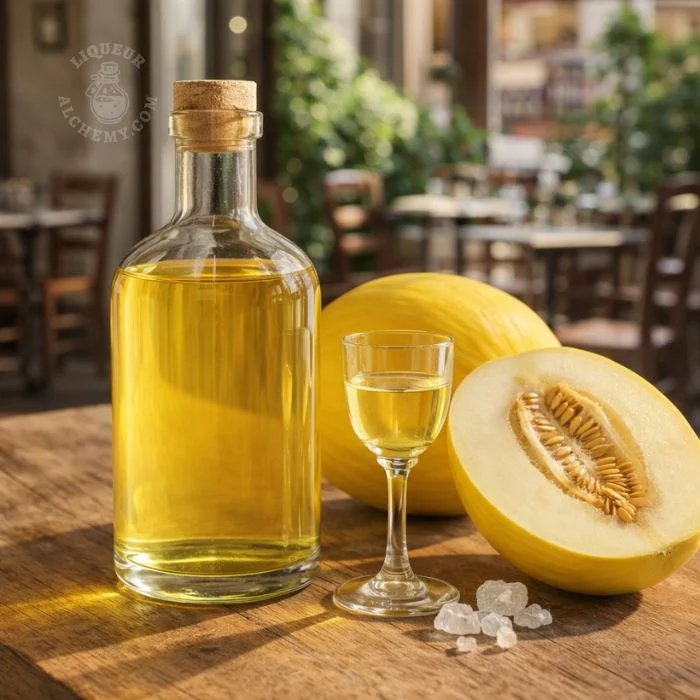
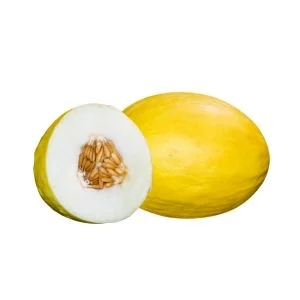
Should canary melon be fresh, frozen, or dried before using in liqueurs?
Ingredients and Sweeteners That Shape Liqueur Flavor
Direct Answer
Fresh canary melon is best for liqueurs, frozen is a possible backup, and dried melon is usually too altered for a fresh-style result.
Expanded Explanation
Fresh canary melon is almost always the best choice for liqueur making because its appeal lies in its juicy, delicate, fragrant freshness. A ripe fresh melon gives the clearest expression of the fruit’s honeyed sweetness and floral character, and it allows you to judge ripeness before it goes into the spirit. Frozen fruit can sometimes be used if it was prepared at a good stage and stored well, but melon generally suffers more from freezing than sturdier fruits do. Its structure softens significantly, and depending on the product, some of the fresh aromatic appeal may be reduced once thawed.
That does not mean frozen melon is impossible to use. It can still work when fresh fruit is unavailable, especially in recipes where the melon is supported by spice or citrus. Freezing also breaks cell structure, which may make extraction feel quicker. But the question is not only whether flavor comes out. It is whether the right flavor comes out. If the thawed fruit tastes watery or dull, the liqueur is unlikely to improve on that. Dried canary melon is usually the least suitable option if your goal is a fresh melon profile. Drying changes the fruit too much, concentrating sweetness but removing the juicy elegance that makes canary melon distinctive.
For most homemade liqueurs, fresh is the clear first choice. Frozen is a backup option that should be tested carefully, and dried fruit should be treated as a different ingredient rather than a direct substitute. If you want a light, floral, fresh melon liqueur, start with ripe fresh fruit whenever possible. The more delicate the ingredient, the more the preparation method matters to the final bottle.