Does ripe jackfruit release too much flavor during maceration in liqueurs?
Infusion and Maceration Methods for Homemade Liqueurs
Direct Answer
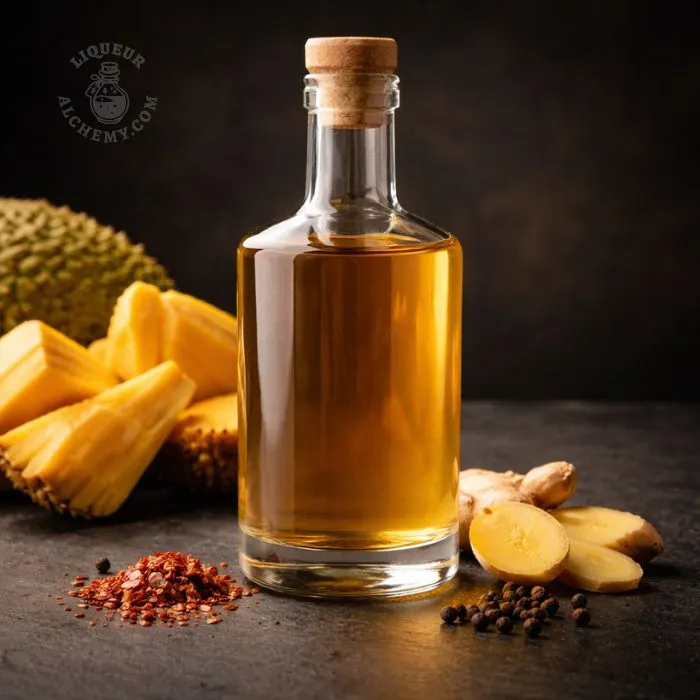
Ripe jackfruit can dominate quickly in alcohol, so moderate dosage and early tasting are key to avoid a heavy or artificial profile.
Expanded Explanation
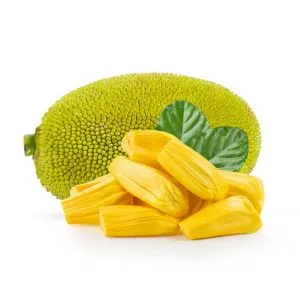
Yes, ripe jackfruit can release a lot of flavor during maceration, especially if the fruit is very fragrant to begin with. In fact, the issue is often not that it fails to extract, but that it can become dominant surprisingly quickly. Its aroma is naturally concentrated, with notes that can feel tropical, musky, sweet, and almost confectionery. In a liqueur, those qualities can become intense after only a short period, particularly when using neutral spirits that do not add much structure of their own. That is why tasting early is far more important with jackfruit than with many milder fruits.
The main risk is not simple “too much fruit” in a pleasant sense, but imbalance. If ripe jackfruit sits in alcohol for too long, the liqueur can shift from fresh and vivid into something heavier, flatter, or even slightly artificial-seeming. The fruit can also soften and break down, which may add cloudiness and make the flavor seem less precise. This does not mean ripe jackfruit is a bad choice. Quite the opposite: ripe fruit usually gives the best flavor. It just means the infusion needs supervision, moderate dosage, and a willingness to strain sooner rather than later if the aroma peaks quickly.
A practical approach is to use ripe jackfruit flesh in moderate amounts, cut into manageable pieces, and begin tasting within the first few days. Many good batches are ready to strain between about five and fourteen days, depending on the fruit, the cut size, and the spirit. If you want more control, split the batch and strain part of it earlier. That lets you blend lighter and heavier infusions later. With jackfruit, the goal is rarely maximum extraction. The goal is capturing the most expressive point before richness turns into excess.