What mistakes cause canary melon liqueurs to lose freshness or aroma?
Troubleshooting Common Homemade Liqueur Problems and Fixes
Direct Answer
Overlong steeping, bland fruit, overpowering ingredients, and poor sweetening or filtering choices often kill canary melon freshness.
Expanded Explanation
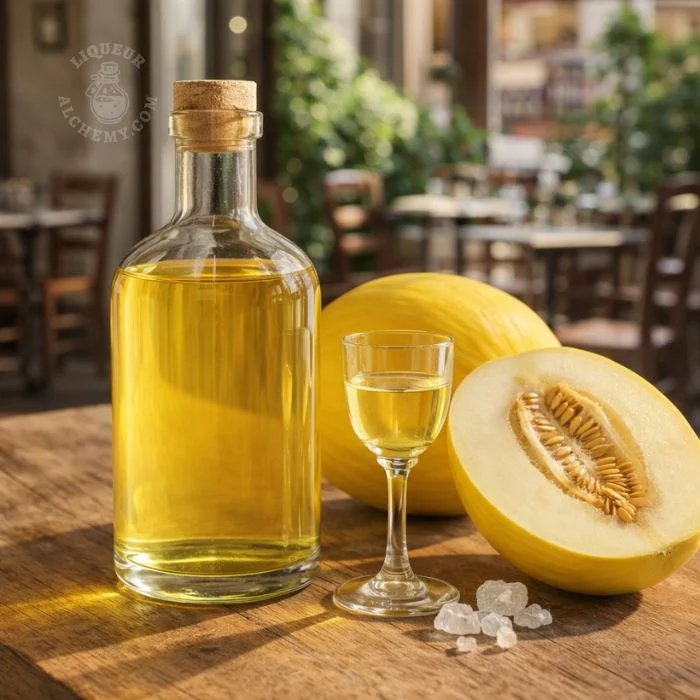
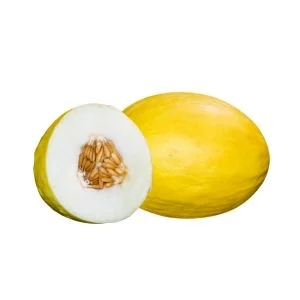
The most common mistake is leaving the melon in alcohol for too long. Canary melon does not usually reward prolonged contact the way tougher fruits, dried fruits, or spices sometimes do. It tends to show its best side when it is still bright, floral, and juicy. Once that peak passes, the aroma can flatten and the fruit can become less distinct. Another major mistake is starting with fruit that looks ripe but does not actually smell like much. If the raw melon is bland, the liqueur will rarely become expressive later. That is why ingredient quality matters more than many people realize with delicate fruits.
A second group of mistakes involves overpowering the melon. Too much spice, too much citrus peel, heavy sweeteners, or a spirit with dominant character can all erase the fruit’s subtle identity. Melon often needs support, but support is not the same as competition. The same is true of sweetening. Too much syrup can make the bottle broader and softer while hiding the aroma you were trying to preserve. Filtration errors can matter too. Leaving too much pulp in the bottle may create cloudiness and instability, while aggressive filtering too early can strip the little nuance the fruit had already developed.
Freshness is usually preserved through restraint rather than complexity. Use fragrant ripe fruit, keep the recipe focused, strain when the profile is lively, and allow the liqueur to rest in a clean bottle rather than continuing to sit on fruit solids. Protect it from heat and light after bottling. If a canary melon liqueur loses aroma, the cause is often not one dramatic mistake but a chain of small ones. The more delicate the fruit, the more discipline the recipe needs to keep its freshness intact.