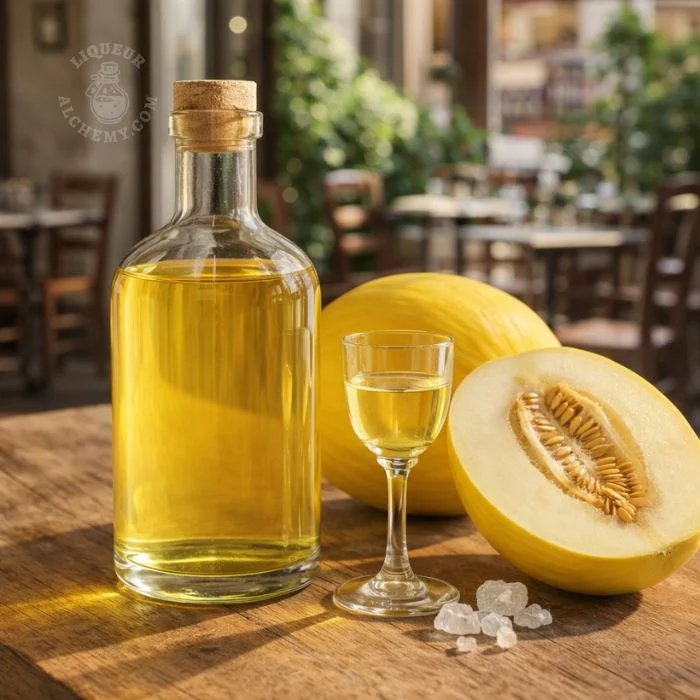
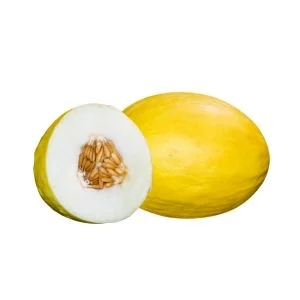
What is the ideal amount of canary melon per liter of spirit in liqueurs?
Infusion and Maceration Methods for Homemade Liqueurs
Direct Answer
About 400–800 g of canary melon per liter is typical, with roughly 500–600 g/L often giving a balanced result.
Expanded Explanation
A practical starting range for canary melon is about 400 to 800 grams of prepared ripe flesh per 1 liter of spirit. That range reflects the fact that melon is gentle and water-rich, so it often needs a generous fruit load to show clearly in the finished liqueur. At the lower end, you may get a cleaner and lighter result that works well if the recipe includes aromatic support from spices or citrus. At the higher end, the fruit becomes more central, but the risk of a softer, more diluted-feeling profile also increases if the melon is not fully ripe or if the recipe later includes too much syrup or water.
The ideal amount depends on more than fruit intensity alone. Neutral spirits such as vodka reveal melon clearly, so you may not need the very top of the range. A lightly characterful base such as white rum or rice spirit can also work beautifully, but if the spirit brings more aroma of its own, the melon may need stronger representation. The cut size matters too. Thin slices extract faster and more completely than large chunks, which can allow a moderate fruit load to perform better. As always with melon, ripeness matters enormously. A perfectly fragrant fruit at 500 grams per liter may outperform a bland fruit used at 800 grams per liter.
For most home batches, starting around the middle is the safest choice. Around 500 to 600 grams per liter often gives enough presence without pushing the liqueur into a watery or overloaded zone. From there, timing and balance become just as important as quantity. If you want more intensity, it is often better to build structure around the melon with careful sweetening and small aromatic accents rather than simply adding as much fruit as possible. With canary melon, more fruit does not automatically equal more flavor quality.