How should canary melon liqueur be stored to preserve its delicate aroma?
Troubleshooting Common Homemade Liqueur Problems and Fixes
Direct Answer
Store canary melon liqueur in sealed glass, cool and dark, with minimal air and sediment to protect its delicate aroma.
Expanded Explanation
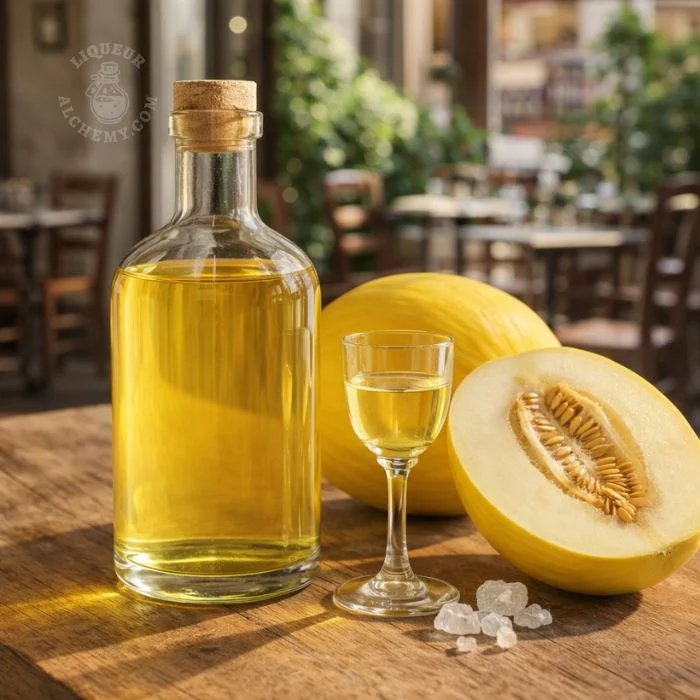
Canary melon liqueur should be stored with extra care because its aroma is delicate and more easily lost than the aroma of darker, spiced, or highly citrus-driven liqueurs. The best approach is to bottle it cleanly after straining, use well-sealed glass bottles, and keep it in a cool, dark place away from direct sunlight and heat. Light and warmth gradually flatten fruit aromas, especially the lighter top notes that make melon attractive in the first place. The less time the bottle spends open and exposed to air, the better the fruit character will hold.
Another important factor is clarity and stability before storage. If there is still visible pulp, fine sediment, or fruit residue in the bottle, the flavor may continue to change and often not for the better. Those leftovers can cloud the liqueur and slowly drag it away from the clean, fresh profile you wanted. It is worth letting the liqueur settle before final bottling, then racking or filtering it so the stored version is as stable as possible. Lower headspace in the bottle also helps, since less trapped air means slower aromatic loss over time.
Canary melon liqueur often drinks best after a short resting period, when sweetness and alcohol have integrated but before the most delicate fruit notes begin to fade. Good storage extends that window. Refrigeration is not always required, but it can help if the batch is lower proof or especially fruit-heavy. In general, preserving melon aroma is about minimizing heat, light, oxygen, and leftover solids. Those simple storage habits do not make the liqueur immortal, but they greatly improve the chances that it will stay fresh, gentle, and expressive for longer.