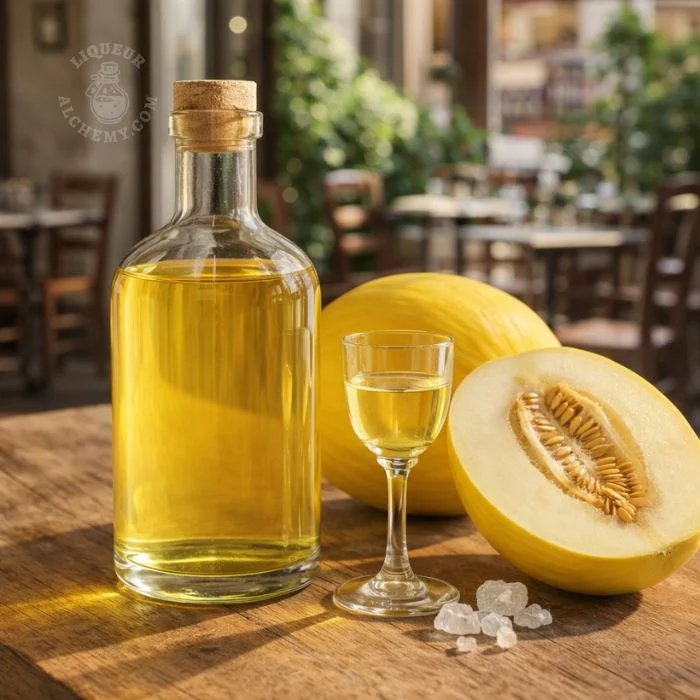
How do I adjust sweetness in a melon liqueur without covering the delicate Canary melon, saffron, and citrus notes?
Flavor Balance and Texture in Homemade Liqueurs
Direct Answer
Adjust sweetness in small stages after straining. Too much sugar can mute melon, saffron, and citrus, so gradual correction gives better balance.
Expanded Explanation
The safest way to adjust sweetness is gradually, after straining and before final bottling. Delicate fruit liqueurs can change character quickly with even small sugar additions. If too much is added at once, the melon loses lift, the lemon zest becomes less vivid, and the saffron can feel decorative rather than integrated. A staged approach gives better control over balance and texture.
When tasting for balance, focus on more than sweetness alone. A liqueur can seem dry because the fruit expression is weak, not because the sugar is too low. Likewise, it can seem heavy when the citrus and spice are already subtle. The best target here is not a dessert-style finish, but a soft, polished sweetness that supports aroma while still leaving the vodka and fruit profile clear.
Dissolve additional sugar in a small reserved portion of the liqueur, then blend that back little by little. Let each adjustment settle before judging again. Powdered sugar will integrate faster, while regular sugar may need more stirring and resting. This slower method keeps the liqueur elegant and helps preserve the fresh melon profile instead of pushing it into a syrupy direction.