Coco Mystique

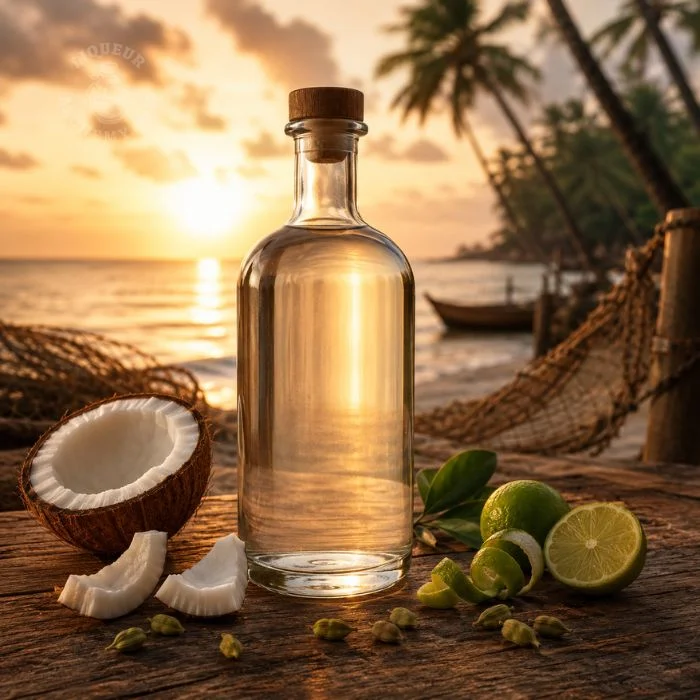
Coco Mystique Coconut, Vanilla and Lime Rum Vodka Liqueur

Coco Mystique is a tropical coconut liqueur combining fresh coconut flesh, vanilla, lime zest and green cardamom with a balanced blend of vodka and white rum. Coconut sugar and honey provide gentle sweetness and texture, while lime adds freshness. The result is smooth, aromatic and elegantly exotic.

Main notes

  • Vodka
  • White Rum
  • Coconut

Ingredients

  • Vodka — 500 ml
  • White Rum — 500 ml
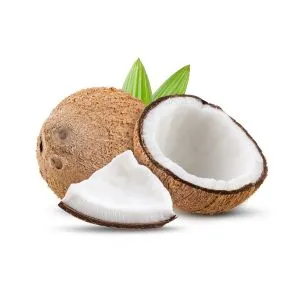
  • Fresh Coconut Flesh — 700 g
  • Coconut Sugar — 120 g
  • Honey — 30 g
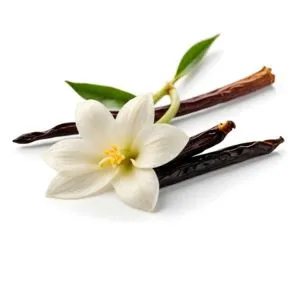
  • Vanilla — ½ pod
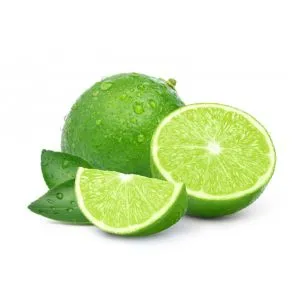
  • Lime Zest — 2 thin strips
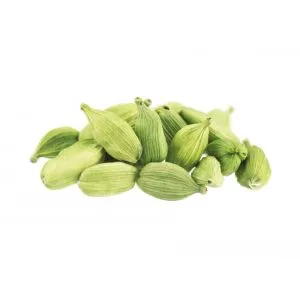
  • Green Cardamom — 4 pods
  • Lime Juice — 20 ml

Preparation

  1. Remove the brown skin from the coconut flesh if desired and cut it into small pieces.
  2. Place the coconut flesh into a large sterilised glass jar.
  3. Split the vanilla pod lengthwise and add it to the jar.
  4. Add the lime zest and lightly crushed green cardamom pods.
  5. Pour in the vodka and white rum, ensuring all ingredients are fully submerged.
  6. Seal the jar and store in a cool, dark place for 21 days, gently shaking every few days.
  7. Strain the infusion through a fine sieve, then filter through cheesecloth or coffee filters until clear.
  8. Stir in the coconut sugar, honey and lime juice until fully dissolved and incorporated.
  9. Bottle the liqueur and mature for at least 4 weeks before serving.
Download

The Story

Coco Mystique captures the allure of a tropical evening where warm ocean air carries the scent of fresh coconut, citrus and distant spice. Built on a balanced foundation of vodka and white rum, it showcases the natural richness of coconut flesh while remaining refined and elegant. Coconut sugar adds gentle caramel depth, honey softens the palate, and vanilla weaves a creamy thread through the spirit. Bright lime zest lifts the aroma, while green cardamom contributes a subtle exotic accent. The result is a smooth, sophisticated liqueur that feels both comforting and mysterious, blending tropical indulgence with delicate complexity in every sip.

Who is "Coco Mystique" Liqueur for?

Coco Mystique is for curious drinkers who enjoy tropical flavours presented with elegance rather than sweetness alone. It suits slow sippers, coconut lovers and those seeking a refined, exotic liqueur with subtle spice, citrus freshness and a smooth, indulgent character.

"Coco Mystique" Liqueur Serving Suggestions

Serve lightly chilled in a small stemmed glass after dinner or during relaxed summer evenings. The coconut, vanilla and lime shine when served neat, while the gentle cardamom notes become more expressive as the liqueur slowly warms in the glass.

Why the Name "Coco Mystique"?

The name Coco Mystique reflects both the heart of the recipe and its character. “Coco” celebrates the fresh coconut that defines the liqueur, while “Mystique” evokes the subtle layers hidden beneath its creamy tropical profile. Notes of vanilla, lime and cardamom reveal themselves gradually, creating an experience that feels exotic, refined and intriguingly complex.

Testing Notes

Early trials showed that fresh coconut required a longer maceration than expected to fully develop its flavour. Increasing the coconut quantity improved body and aroma without making the liqueur heavy. Lime zest proved more effective than juice during infusion, while limiting cardamom prevented it from overshadowing the delicate coconut character.

Coco Mystique Liqueur FAQ


For this coconut liqueur, 21 days is a good maceration time because fresh coconut flesh releases flavour slowly. The vodka and white rum need enough time to pull out coconut aroma, vanilla softness and gentle spice without making the infusion taste flat. Shake the jar every few days to move the coconut pieces through the alcohol and help extraction remain even.

The lime zest and cardamom need more attention than the coconut. Lime zest can become bitter if too much white pith is attached, while cardamom can become dominant if crushed too strongly or left in excessive quantity. With two thin lime strips and four lightly crushed pods, they can usually remain for the full 21 days, but taste after 10 to 14 days if you prefer a softer spice profile.

Vanilla is generally safe for the full infusion period and helps connect the coconut, rum and sugar notes. If the lime or cardamom starts to lead the flavour too strongly, remove only those ingredients and let the coconut continue. This gives better control than shortening the entire maceration.

View this Liqueur FAQ as a standalone page

Coconut sugar and honey create a warmer sweetness than white sugar. Coconut sugar adds caramel, toasted and slightly earthy notes, while honey rounds the alcohol and gives a smoother mouthfeel. In this recipe, 120 g coconut sugar and 30 g honey per litre of alcohol creates a medium-sweet liqueur that still allows coconut, lime and cardamom to remain clear.

If you want a drier finish, reduce the coconut sugar to 90 or 100 g and keep the honey at 20 to 30 g. If you want a richer dessert-style liqueur, increase coconut sugar to 140 g, but avoid pushing honey too high because it can cover the fresh coconut and make the finish feel sticky. Adjust sweetness only after straining, because the infused alcohol tastes sharper before resting.

Balance should be judged after the lime juice is added. Lime juice reduces the impression of sweetness and makes the liqueur feel brighter, so taste again after mixing. If the liqueur feels too sweet, do not dilute immediately; let it rest for a week, then reassess. Sweetness often softens and integrates during maturation.

View this Liqueur FAQ as a standalone page

The most common mistake is using old or poorly prepared coconut. Fresh coconut should smell clean, sweet and slightly milky, not sour or musty. Brown skin can be removed for a cleaner flavour, although leaving a little on may add rustic depth. Coconut pieces should be cut small enough for extraction but not blended into a paste, which can make filtration difficult and create a cloudy, oily finish.

Bitterness usually comes from lime pith, over-crushed cardamom or excessive spice contact. Lime zest should be thin, with only the green outer layer. Cardamom pods should be lightly cracked, not ground, because ground cardamom releases quickly and is hard to filter. Too much vanilla can also make the drink feel heavy and sweet even before sugar is added.

Flatness often comes from weak coconut extraction or adding lime juice too early. Lime juice is best stirred in after filtration, where it brightens the finished liqueur rather than sitting in the jar for weeks. Proper filtering, patient resting and balanced sweetness are what turn the infusion from a rough coconut alcohol into a polished liqueur.

View this Liqueur FAQ as a standalone page

After filtering, this liqueur should rest for at least four weeks before serving. Fresh coconut, rum, vodka, coconut sugar, honey, lime and cardamom all need time to merge. Straight after mixing, the alcohol can taste separate from the sweetness and the lime may seem sharper than expected. Resting allows the texture to smooth out and the tropical notes to become more rounded.

Store the bottled liqueur in clean, tightly sealed glass bottles in a cool, dark place. Because fresh coconut can contribute fine particles and natural oils, careful filtration is important before storage. A first pass through a sieve removes solids, while cheesecloth or coffee filters improve clarity. If sediment forms later, decant gently or filter again rather than shaking it back into the bottle.

The liqueur is best served lightly chilled, but storage does not need to be in the refrigerator if it has been well filtered and bottled cleanly. For the cleanest presentation, let the bottle stand upright before pouring. The best flavour usually appears after one to two months, when coconut, vanilla, lime and cardamom have settled into a smoother finish.

View this Liqueur FAQ as a standalone page
Fresh coconut flesh gives the cleanest, softest coconut flavour in this style of liqueur. It brings natural creaminess, gentle aroma and a round tropical character without making the drink taste artificial. Because this recipe uses both vodka and white rum, fresh coconut works especially well: vodka keeps the profile clean, while rum adds warmth and light sugarcane depth.

Dried coconut can be used, but it changes the result. Unsweetened coconut chips or flakes are better than sweetened desiccated coconut because they give more control over sweetness. Use a smaller amount, around 180 to 250 g per litre of alcohol, because dried coconut is more concentrated and can release stronger toasted, oily or fibrous notes. Avoid heavily toasted coconut unless you want a deeper dessert-like flavour.

If substituting, watch the texture carefully. Dried coconut may create more sediment and can require slower filtration through cheesecloth or coffee filters. Fresh coconut gives a fresher, more elegant finish, while dried coconut gives a richer and more pantry-style coconut character. Both can work, but they should not be treated as equal gram-for-gram replacements.

RALETED RECIPES OF LIQUEUR ALCHEMY


Explore more creations from Liqueur Alchemy that share similar flavours, techniques, or ingredients. These related recipes offer fresh ideas and inspired combinations to help you craft your next bold, homemade spirit.