Bitterberryn

Bitterberryn – Bitter Blackberry, Black Lemon & Juniper Liqueur

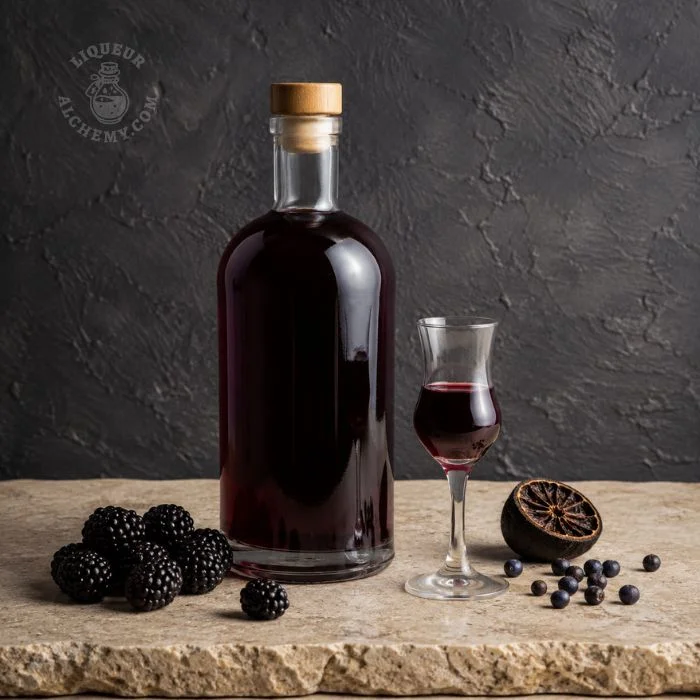
Bitterberryn is a dark, moderately sweet blackberry vodka liqueur with a distinctly botanical and bitter-edged character. Wild blackberries lead into earthy black lemon and juniper, followed by subtle cacao, orange and warm long pepper. Jaggery and honey round the palate while preserving a complex, relatively dry finish.

Main notes

  • Vodka
  • Blackberries

Ingredients

  • Vodka — 1 L
  • Blackberries — 1 kg
  • White Sugar — 120 g
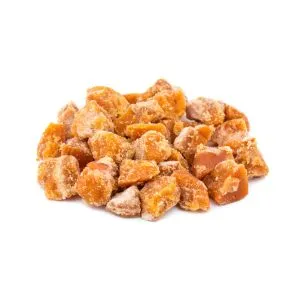
  • Jaggery — 60 g
  • Honey — 40 g
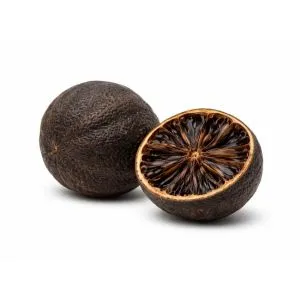
  • Black Lemon — 2–3 g
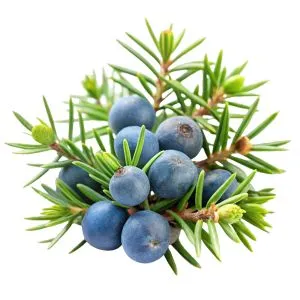
  • Juniper Berries — 6
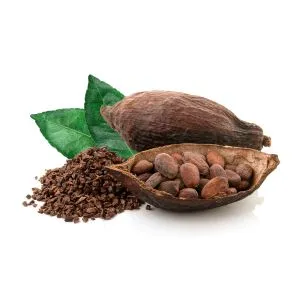
  • Cacao Nibs — 4 g
  • Long Pepper — ½ small pepper
  • Coriander Seeds — ¼ tsp
  • Dried Orange Peel — 3 g
  • Ginger, dried — 1 g
  • Lemon Juice — 20 ml

Preparation

  1. Carefully sort the freshly collected blackberries, removing stems, leaves and damaged fruit. Rinse gently if necessary and allow them to drain thoroughly.
  2. Place the blackberries in a large sterilised glass jar and lightly crush approximately one-third of them to release some juice while leaving the remaining berries whole.
  3. Add the black lemon, lightly crushed juniper berries, cacao nibs, lightly crushed long pepper, coriander seeds, dried orange peel and dried ginger.
  4. Pour in the vodka, ensuring the fruit and botanicals are well covered. Seal the jar tightly.
  5. Store in a cool, dark place for approximately 3 weeks. Gently turn or swirl the jar every few days to redistribute the ingredients.
  6. Strain the infusion through a fine sieve, allowing the liquid to drain naturally. For greater clarity, filter again through fine muslin or a suitable liqueur filter.
  7. Combine the sugar, jaggery and honey with a small quantity of the strained infusion, stirring until completely dissolved. Return this sweetened mixture to the main batch.
  8. Add the lemon juice and stir thoroughly. Taste after the flavours have combined; the finished liqueur should retain noticeable bitterness and a relatively dry finish.
  9. Bottle the liqueur in sterilised bottles and leave it to rest for at least 4 weeks before drinking. Additional maturation should further integrate the blackberry, citrus, juniper and spice notes.
Download

The Story

Bitterberryn was created to explore the darker, drier side of blackberry liqueur. The blackberries are gathered from the forest nearby, bringing ripe, wild fruit to a deliberately botanical recipe. Black lemon introduces an earthy citrus bitterness, while juniper adds its distinctive woodland character. Cacao nibs deepen the fruit without making the drink chocolate-heavy, and long pepper, coriander and dried ginger build a subtle spicy finish. Jaggery and honey provide just enough rounded sweetness to balance the bitterness. The result is an unusual blackberry liqueur: dark, aromatic, gently bitter and designed for slow sipping.

Who is "Bitterberryn" Liqueur for?

Bitterberryn is for adventurous drinkers who prefer complexity over simple sweetness. Its wild blackberry, bitter citrus, juniper and earthy spice suit curious palates, contemplative evenings and slow sippers looking for something darker, drier and distinctly botanical.

"Bitterberryn" Liqueur Serving Suggestions

Serve Bitterberryn lightly chilled in a small liqueur or tasting glass, allowing it a few moments to open before sipping. Its wild blackberry, black lemon, juniper and peppery finish make it particularly suited to quiet evenings, after-dinner drinking and cooler nights.

Why the Name "Bitterberryn"?

The name Bitterberryn combines the liqueur’s defining bitter character with the wild blackberries at its heart. The slightly unusual ending gives the name a botanical, almost old-world quality that suits the juniper, black lemon and long pepper. It suggests something gathered from woodland and transformed into a darker kind of berry liqueur—less about straightforward sweetness and more about bitterness, spice and aromatic depth.

Testing Notes

The main challenge was keeping the blackberry clearly identifiable while introducing meaningful bitterness. Black lemon and juniper worked best when restrained, as both can quickly dominate the fruit. Cacao added useful earthy depth without obvious chocolate flavour. The reduced sugar level, supported by jaggery and honey, preserved body while allowing the dry botanical finish to remain noticeable.

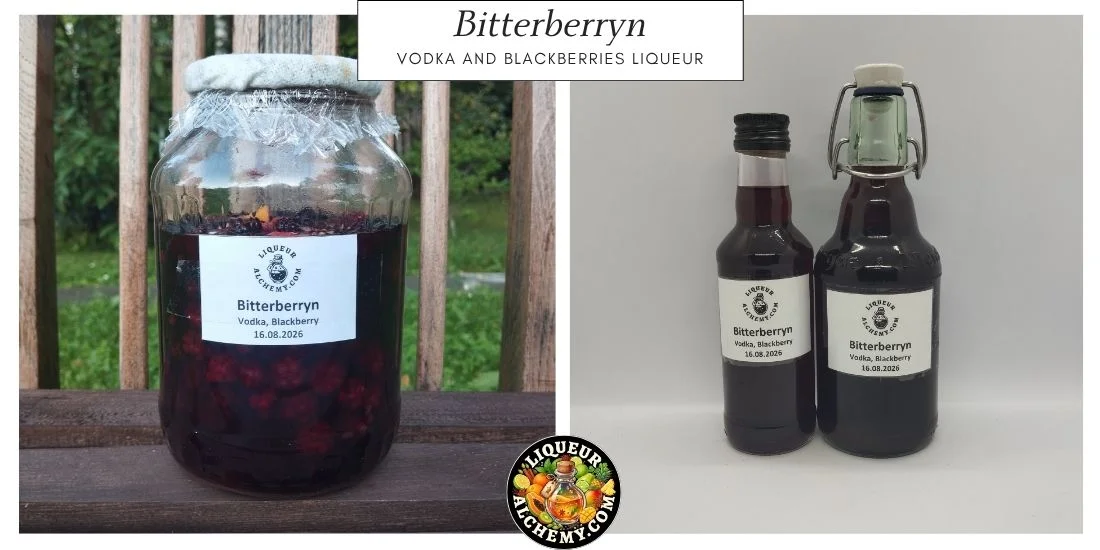
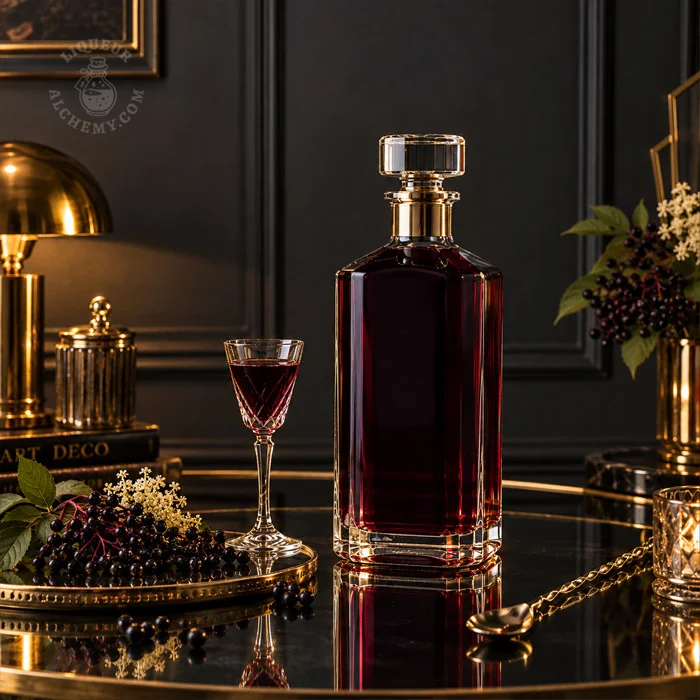
Bitterberryn liqueur during maceration and finished bottled liqueur

Bitterberryn Liqueur FAQ


Blackberries can usually remain in the vodka for several weeks, but black lemon, juniper and cacao should be monitored more closely because they can become dominant. Start tasting after about seven days. Juniper often develops quickly, while black lemon can move from pleasantly bitter and citrusy to woody or medicinal if the quantity is high or the pieces contain a lot of pith.

For this recipe, a practical approach is to keep all ingredients together initially, then remove individual botanicals if one flavour begins to lead too strongly. Black lemon and juniper are the first ingredients to watch, followed by long pepper. Cacao nibs are generally slower and can remain longer if they are adding depth without creating a dry, husky taste.

Continue the blackberry infusion until the fruit character feels rich and complete, typically around three to four weeks. Do not rely only on the calendar because dried botanicals vary in strength. Taste small samples every few days, strain early if bitterness rises sharply, and remember that the flavours will continue to integrate during resting after filtration.

View this Liqueur FAQ as a standalone page

Excess bitterness usually comes from over-extracting black lemon, crushing the juniper too finely, using too much dried orange peel, or leaving the botanicals in contact with alcohol for too long. Long pepper and dried ginger can also exaggerate the impression of dryness, making the liqueur seem more bitter even when the actual sugar level has not changed.

If the batch is still infusing, strain out the black lemon, juniper and pepper immediately and leave the blackberries to continue only if the fruit still needs extraction. For a finished batch, add a small measured amount of sugar syrup, dissolved jaggery or honey and allow it to rest. Avoid trying to repair it with extra lemon juice, because additional acidity can make the bitter edge feel sharper.

Another useful correction is blending the over-bitter batch with a small quantity of fresh blackberry vodka infusion that contains no bitter botanicals. Make adjustments gradually and record every addition. After correction, rest the liqueur for at least one to two weeks before judging it again, because black lemon, cacao and juniper soften noticeably as the flavours integrate.

View this Liqueur FAQ as a standalone page
Yes, but each sweetener changes more than sweetness. Jaggery contributes a dark, lightly caramelised character that supports cacao, black lemon and long pepper, while honey adds softness and body. Replacing both with plain white sugar will make the blackberry taste cleaner and brighter, but the finished liqueur may lose some of its earthy depth and rounded texture.

For the closest substitution, replace jaggery with light brown or demerara sugar by weight and keep the honey if possible. If replacing honey, use additional sugar gradually rather than matching it gram for gram, because honey also contributes water and aromatic character. Maple syrup can work in a small amount, but its flavour may compete with juniper and black lemon.

Make substitutions before final bottling and taste only after the sweetener is fully dissolved. The aim is not to make the liqueur conventionally sweet, but to soften the bitterness enough for blackberry to remain dominant. Add sweetness in small measured increments, mix thoroughly, then allow the liqueur to rest before deciding whether it needs more.

The safest method is to sweeten in small stages after the infusion has been strained. Blackberry, black lemon and juniper can taste more aggressive immediately after filtration, so first dissolve the planned sugar, jaggery and honey, combine them with the liqueur, and allow the mixture to rest for several days before making further changes.

If the liqueur still tastes too sharp, add sweetness in small measured increments rather than making one large correction. White sugar increases sweetness with the least additional flavour, jaggery adds darker caramel notes, and honey softens the palate while increasing body. For this recipe, white sugar is the best choice for fine adjustment if the existing jaggery and honey character is already sufficient.

Stop adding sweetener while a slight bitter citrus and juniper edge is still noticeable after the blackberry. The finish should feel dry for a liqueur, not harsh or thin. Chill a small sample before the final decision, because cold serving temperatures reduce perceived sweetness and can make bitterness more obvious than it seems at room temperature.

After final filtration, sweetening and the addition of lemon juice, give the liqueur at least three to four weeks of rest before judging the finished flavour. Freshly blended batches can taste disjointed, with black lemon, juniper and long pepper appearing sharper than they will later. Resting allows the blackberry, cacao and sweeteners to merge into a smoother profile.

Store the filled bottles tightly sealed in a cool, dark place away from sunlight and large temperature changes. Clean, sterilised glass bottles are preferable. Because the base is vodka and the recipe contains a high proportion of alcohol relative to fresh fruit after straining, the finished liqueur is generally well suited to extended storage when handled hygienically.

Check the bottle during the first weeks for additional sediment, especially if the blackberries were heavily crushed or the sweeteners were not fully clarified. A second fine filtration can improve presentation before long-term storage. Flavour often becomes more rounded after two or three months, with bitterness softening and the blackberry becoming more integrated with the juniper and cacao.

RALETED RECIPES OF LIQUEUR ALCHEMY


Explore more creations from Liqueur Alchemy that share similar flavours, techniques, or ingredients. These related recipes offer fresh ideas and inspired combinations to help you craft your next bold, homemade spirit.