Blackberry

Blackberry for Liqueur Infusions – Flavor & Pairing Tips

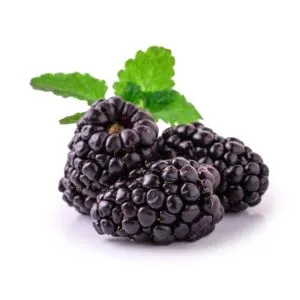
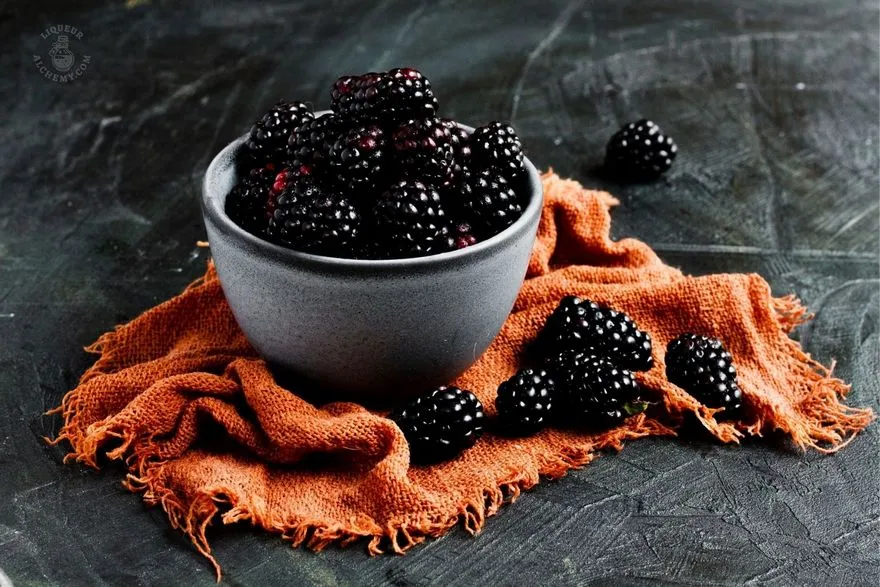
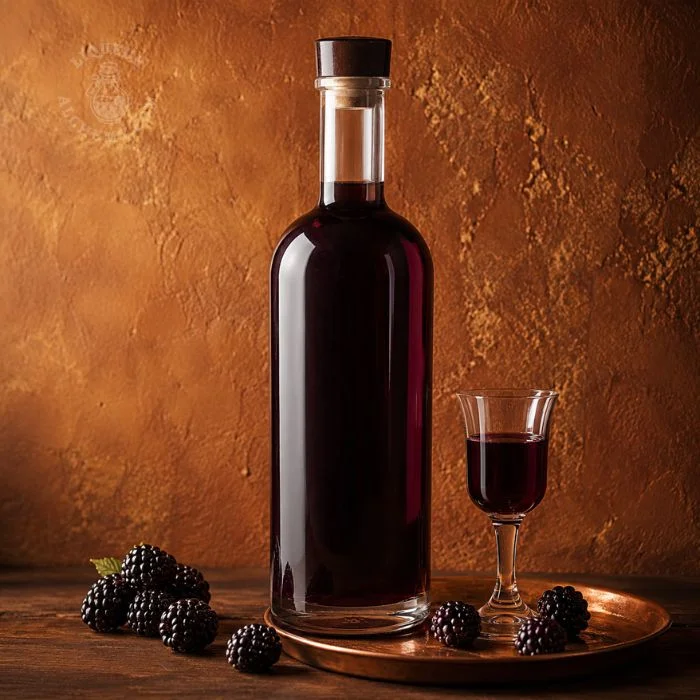
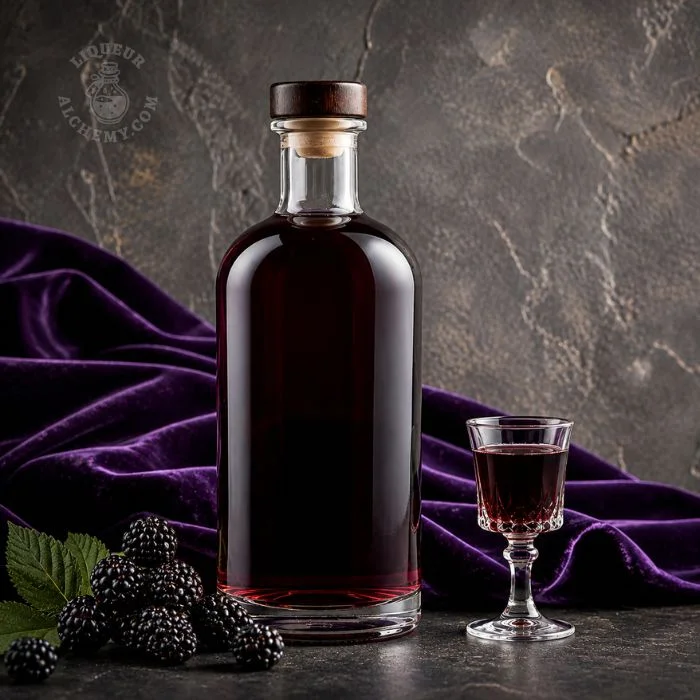
Blackberries bring dark, juicy depth to liqueurs, combining sweetness with a touch of tartness for perfect balance. Their rich color infuses the drink with a deep purple hue and a luxurious mouthfeel. The berries’ natural acidity brightens the palate, enhancing smoothness and aroma. Ideal with vanilla, citrus, or warm spices, blackberries create liqueurs that feel both indulgent and refined, bursting with elegant fruit character.

Blackberry

Home / Ingredients / Fruits / Blackberry

Blackberry Flavor Profile

Dark berry aroma, jammy sweetness, gentle tartness, slight tannin from skins.

Blackberry Impact on Liqueurs

Creates deep purple fruit richness and a bold, juicy core; takes spice well and ages beautifully.

How to Use Blackberry?

Use ripe berries, lightly crushed; 600–900 g per 1 L. Infuse 3–6 weeks in vodka or brandy; sweeten after straining.

Blackberry Pairing Suggestions

Vodka, White Sugar, Lemon, Vanilla, Mint, Basil, Cinnamon, Honey
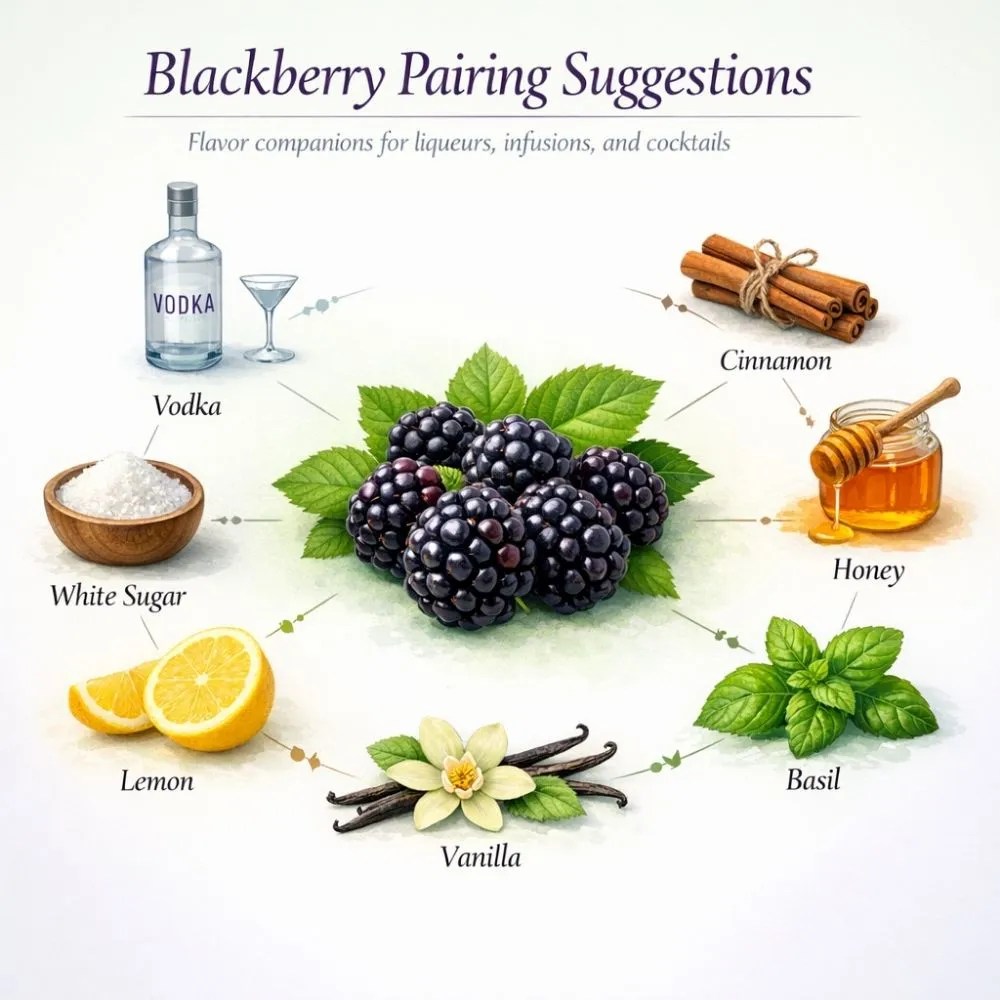
Blackberry pairing suggestions for liqueur making

Blackberry FAQ


Blackberries are fast like other berries, but they bring more tannin from skins and seeds, so you want a moderate steep. Use 40–50% ABV and start tasting at day 2; strain between days 5–12 depending on intensity. Fresh berries give a brighter top note; frozen berries extract quicker and can be juicier but haze more.

Dosage: 400–800 g per liter, depending on how bold you want it. Keep berries whole or lightly crushed—avoid pureeing. Sweeten after straining and consider a small acid lift to sharpen the berry profile; blackberries can lean “jammy” without it.

Common mistakes are long seed contact (bitterness), squeezing filters, and leaving the jar warm. Flavor impact is deep berry-wine with earthy edges; it pairs well with vanilla, lemon zest, or a tiny amount of black pepper. Store cool and dark; berry aromatics fade with light and oxygen.

Blackberry likes subtle warmth and gentle lift. Great pairings are vanilla, lemon zest (no pith), and a tiny pinch of black pepper or cinnamon. Keep doses low and add late—blackberry can be easily pushed into “jam + spice” instead of fresh berry.

Timing and dosage: add spices after the berry base is strained, then steep spices for hours to a couple days with frequent tasting. If you want complexity, a small amount of dried orange peel works, but keep it brief to avoid bitterness.

Common mistakes are using clove/anise (too dominant) and leaving spices for weeks. Flavor impact should stay berry-forward with a longer, warm finish. Store cool and dark; spice intensity can creep up over time, so aim lighter at bottling.

Several factors influence the extraction of blackberries when making liqueurs. The ripeness of the fruit plays a significant role; fully ripe blackberries contain more sugars and flavors, leading to a richer extraction. Additionally, the temperature of the alcohol can affect the speed and quality of extraction, with warmer temperatures generally enhancing the process.

The method of preparation also impacts extraction. Crushing or mashing the blackberries before infusion can release more juices and flavors, resulting in a more robust liqueur. Conversely, whole berries may yield a subtler flavor, allowing for a more delicate profile.

Lastly, the duration of the infusion is critical. A short infusion may result in a light, fresh taste, while a longer one can intensify the flavors but risks introducing bitterness. Balancing these factors is key to achieving the perfect blackberry liqueur.

Yes, you can replace blackberries with other fruits like cherries or plums. Both fruits offer a rich flavor and can provide a similar sweetness and tartness. Use them in equal quantities to achieve a comparable taste in your liqueur.

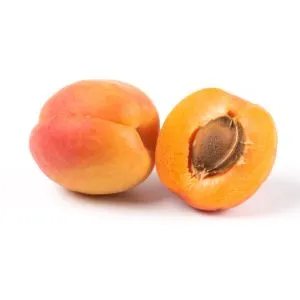
Peaches and apricots are also viable alternatives, especially if you prefer a sweeter profile. They can add a delightful fruity aroma and a smooth texture to your liqueur. Adjust the sugar content in your recipe to balance the flavors.

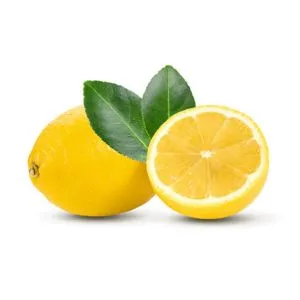
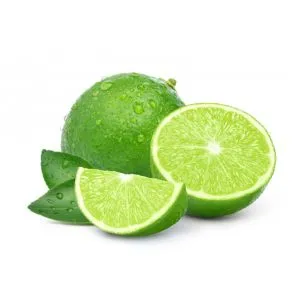
Experimenting with citrus fruits like lemons or limes can give your liqueur a refreshing twist. While they differ in taste, their acidity can enhance the overall complexity of your drink.

The recommended dosage of blackberries for liqueur making is about 1 to 2 pounds per quart of alcohol. This ratio allows for a rich infusion without overwhelming the other flavors. Adjusting the quantity can help you achieve your desired taste profile.

If you prefer a sweeter liqueur, consider using more blackberries or adding a sweetener to balance the tartness. Conversely, using fewer berries can create a more subtle flavor, which might be ideal for cocktails where you want the blackberry to complement other ingredients.

Always taste your mixture as you go to find the perfect balance. Remember, the quality of the blackberries also matters; fresh, ripe berries will yield the best results in your liqueur.
Blackberry
Blackberry in Liqueur Crafting

More Fruits


RELATED RECIPES OF LIQUEUR ALCHEMY


Explore more creations from Liqueur Alchemy that share similar flavours, techniques, or ingredients. These related recipes offer fresh ideas and inspired combinations to help you craft your next bold, homemade spirit.

LIQUEUR ALCHEMY TOOLS & RESOURCES


Design labels in minutes—beautiful, practical, and ready to print. Choose a tool below to generate bottle or ingredient labels that match your Liqueur Alchemy workflow.
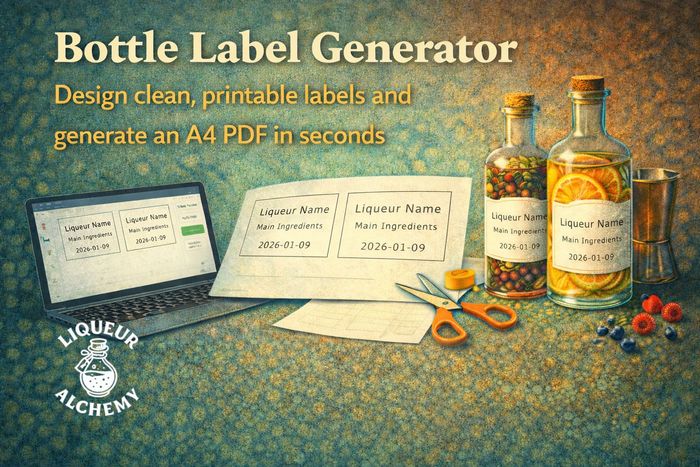
Bottle Label Generator preview

Bottle Label Generator

Create clean bottle labels with your liqueur name, batch details, date — ready for printing and gifting.
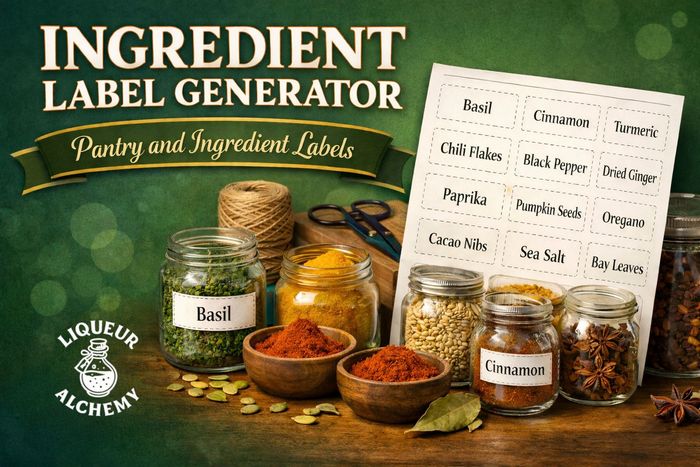
Ingredient Label Generator preview

Ingredient Label Generator

Label jars, containers, and storage bags to maintain clear organization from preparation through infusion and serving.
Ingredient pairing cheat sheet for creating balanced homemade liqueurs

Ingredient Pairing Cheat Sheet

Discover flavor combinations that create balanced, complex, and unique homemade liqueurs.