Acacielle

Acacielle Acacia Blossom Liqueur with Honey, Vanilla & Lemon

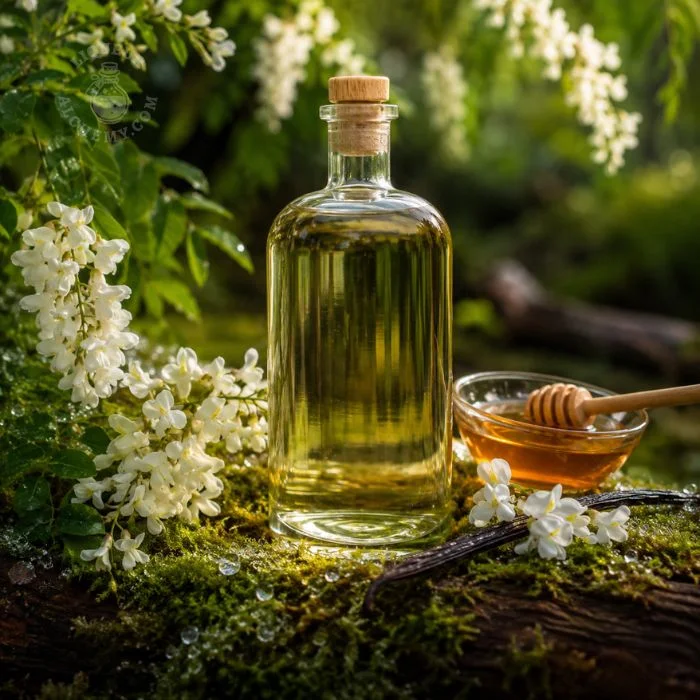
Acacielle is a refined floral vodka liqueur made with fresh acacia blossoms, honey, vanilla, and lemon. The acacia contributes delicate blossom aromas and natural sweetness, while vanilla adds gentle warmth and lemon provides freshness. Smooth, elegant, and lightly botanical, it captures the character of spring in a beautifully balanced liqueur.

Main notes

  • Vodka
  • Acacia blossoms

Ingredients

  • Vodka — 1 L
  • Acacia blossoms (petals only) — 160 g
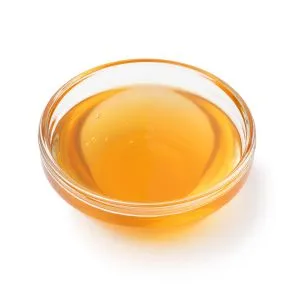
  • Honey — 80 g
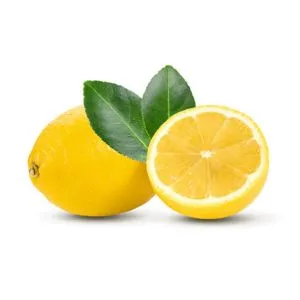
  • Lemon juice — 20 ml
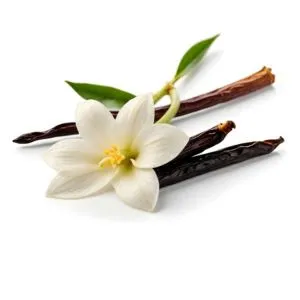
  • Vanilla — ½ pod

Preparation

  1. Collect fresh acacia blossoms on a dry day and carefully separate the white petals from any green parts.
  2. Inspect the petals and remove any insects or damaged pieces without washing unless necessary.
  3. Place the acacia petals into a large sterilised glass jar.
  4. Split the vanilla pod lengthwise and add it to the jar.
  5. Pour the vodka over the petals and vanilla, ensuring everything is fully submerged.
  6. Seal the jar and store it in a cool, dark place for 10 days, gently shaking every few days.
  7. Strain the infusion through a fine sieve, then filter again through cheesecloth or coffee filters for clarity.
  8. Stir in the honey and lemon juice until fully incorporated.
  9. Bottle the liqueur and mature it in a cool, dark place for at least 2months before serving.
Download

The Story

Acacielle captures the fleeting beauty of late spring when acacia trees burst into fragrant white blossoms and fill the air with delicate floral sweetness. Inspired by those brief flowering days, this liqueur transforms fresh acacia petals into an elegant spirit layered with soft honeyed notes, gentle vanilla warmth, and a touch of bright lemon freshness. The result is refined yet approachable, offering aromas reminiscent of blooming gardens and sunlit countryside walks. Smooth, floral, and naturally graceful, Acacielle celebrates one of nature’s most enchanting blossoms in a bottle designed for slow enjoyment and quiet moments.

Who is "Acacielle" Liqueur for?

Acacielle is for lovers of delicate floral spirits, slow sippers, and those who appreciate elegant, naturally aromatic liqueurs. Its gentle sweetness and refined blossom character make it ideal for quiet evenings, spring celebrations, and anyone drawn to subtle botanical flavours.
"Acacielle" Liqueur Serving Suggestions

Serve Acacielle lightly chilled in a small stemmed glass to highlight its floral bouquet and honeyed softness. Perfect as an after-dinner sipper, during spring gatherings, or alongside light desserts where its delicate acacia and vanilla notes can shine.

Why the Name "Acacielle"?

The name Acacielle combines “Acacia,” the star ingredient, with a soft, elegant ending inspired by the French word “ciel,” meaning sky. The name evokes blooming white flowers drifting beneath clear spring skies and reflects the liqueur’s light, graceful character. Acacielle was chosen to sound delicate, memorable, and perfectly suited to a floral spirit built around one of spring’s most fragrant blossoms.

Testing Notes

Several trials showed that removing all green parts from the blossoms significantly improved flavour quality and prevented bitterness. Honey provided a smoother sweetness than sugar and complemented the acacia’s natural floral character. A modest amount of lemon juice brightened the finish without masking the blossom aroma, while keeping vanilla restrained preserved balance.

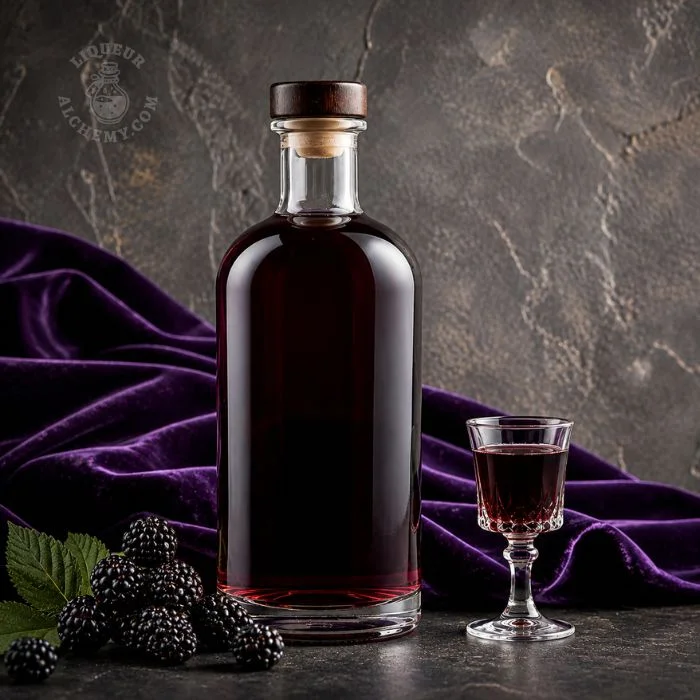
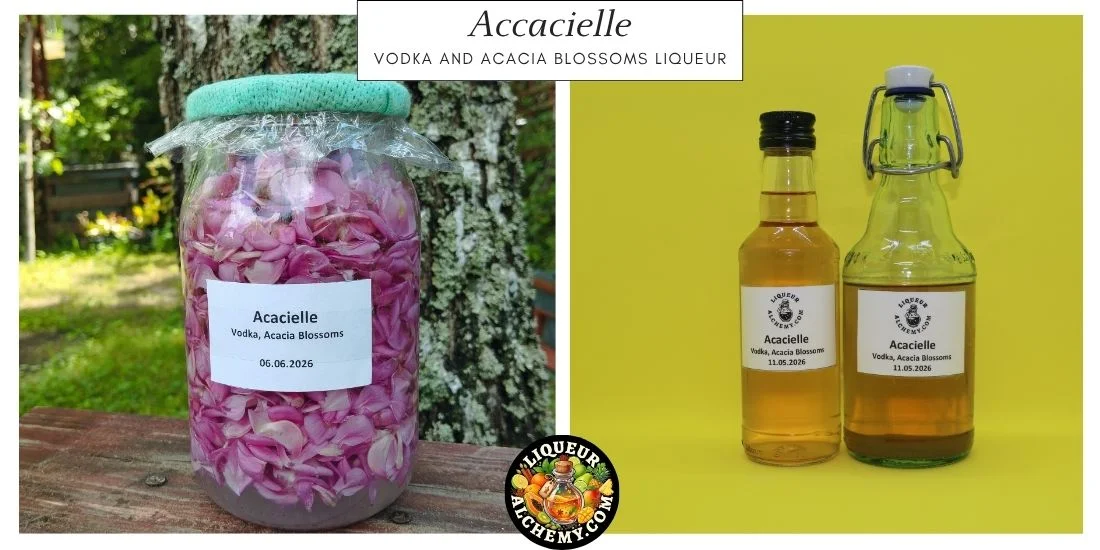
Acacielle liqueur during maceration and finished bottled liqueur

Acacielle Liqueur FAQ


Honey is the better sweetener for this recipe because it naturally supports the soft floral aroma of acacia blossoms. It adds roundness, gentle body and a light nectar-like character that fits the vanilla and lemon.

Sugar can be used instead, but the result will be cleaner, lighter and less complex. If replacing 80 g honey, use around 60-70 g white sugar, because honey brings both sweetness and texture. Dissolve the sugar in a small amount of the filtered infusion or stir patiently until fully blended.

Avoid using dark sugar, muscovado or strongly flavoured honey here. They can cover the delicate blossom notes and make the liqueur taste heavier than intended. Acacia honey, light flower honey or mild clover honey are the safest choices.

Acacia blossoms should usually macerate in vodka for about 10-14 days. This is enough time to extract their floral aroma, gentle sweetness and soft spring-like character without pulling too much green bitterness from the plant material.

The petals should be removed when the infusion smells clearly floral and lightly honeyed. If the liquid begins to smell grassy, leafy or slightly sour, filter it sooner. Gentle shaking every few days helps extraction, but daily aggressive shaking is not needed.

Do not extend the maceration to several months with the petals still inside. Long contact can flatten the aroma and increase bitterness, especially if small green parts were left on the flowers. The ageing stage should happen after filtering, once the blossom material has been removed.

Bitterness usually comes from green parts of the flowers, such as stems, leaf pieces and calyxes. Acacia petals are delicate, but the green material can release harsh, grassy and slightly astringent flavours during alcohol extraction.

Another common mistake is macerating the flowers for too long. Even clean petals can lose their fresh aroma if they sit in vodka far beyond two weeks. Warm storage, too much sunlight or crushed plant material can also make the infusion taste dull or vegetal.

To avoid this, separate the white petals carefully, use freshly picked blossoms, keep the jar in a cool dark place and filter after 10-14 days. If bitterness is already present, add honey gradually and give the liqueur a longer resting period before judging the final flavour.

This recipe is intentionally light, so sweetness should support the floral aroma rather than turn the drink syrupy. The 80 g honey level gives a gentle sweetness while allowing the acacia blossoms, vanilla and vodka character to remain clear.

Lemon juice adds brightness and prevents the honey from tasting flat. Start with 15 ml if you prefer a softer finish, then increase to 20 ml after tasting. Too much lemon can make the liqueur taste sharp and hide the blossom aroma.

The best adjustment method is gradual blending after filtration. Add honey in small portions, stir well and taste after resting overnight. Floral liqueurs often taste rough immediately after mixing, but they become smoother and more integrated after several weeks of ageing.

After filtering and mixing with honey and lemon juice, the liqueur should rest for at least two months. This ageing period allows the floral aroma, alcohol, honey, vanilla and acidity to settle into a smoother and more harmonious flavour.

Store the bottles in a cool, dark place away from direct sunlight. Clear floral liqueurs can lose their delicate aroma if exposed to heat or strong light. A cupboard, cellar or pantry is better than a sunny kitchen shelf.

If sediment appears during resting, it is usually from honey, pollen or fine flower particles. Let the bottle stand upright, then carefully decant or filter again through coffee filters. The finished liqueur should be served lightly chilled and handled gently to preserve its clean floral character.

RALETED RECIPES OF LIQUEUR ALCHEMY


Explore more creations from Liqueur Alchemy that share similar flavours, techniques, or ingredients. These related recipes offer fresh ideas and inspired combinations to help you craft your next bold, homemade spirit.