Blackberricane

Blackberricane – Wild Blackberry & Spiced Vodka Liqueur

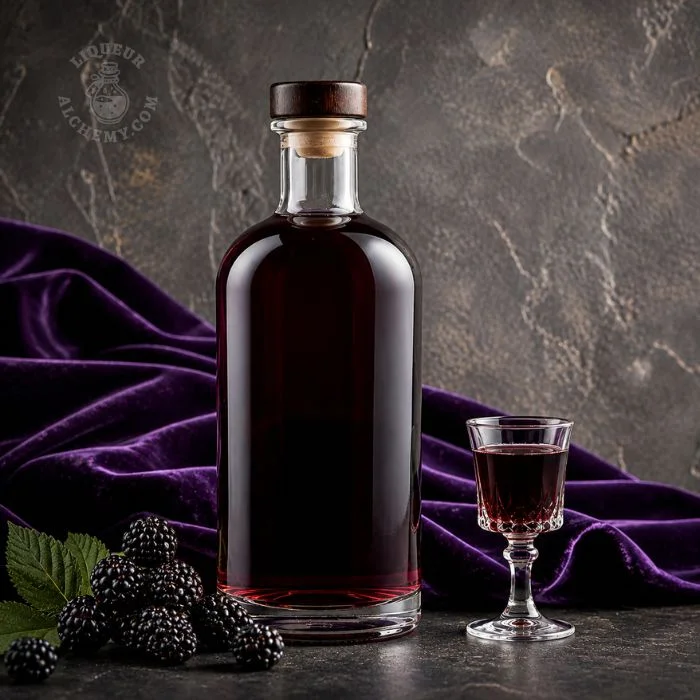
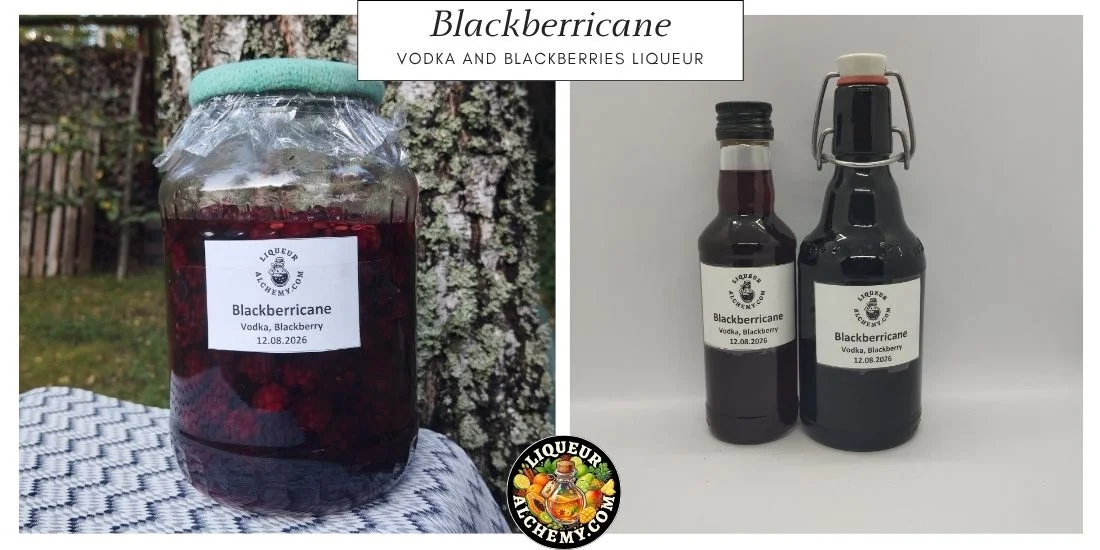
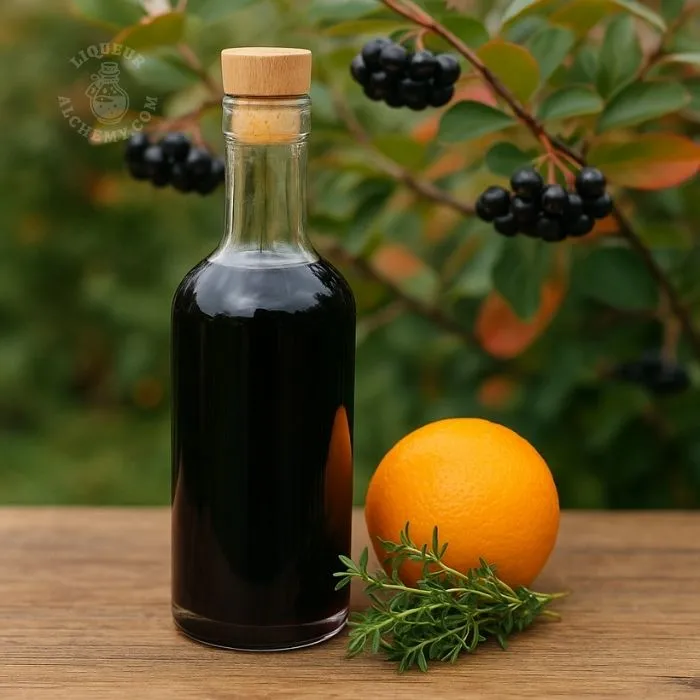
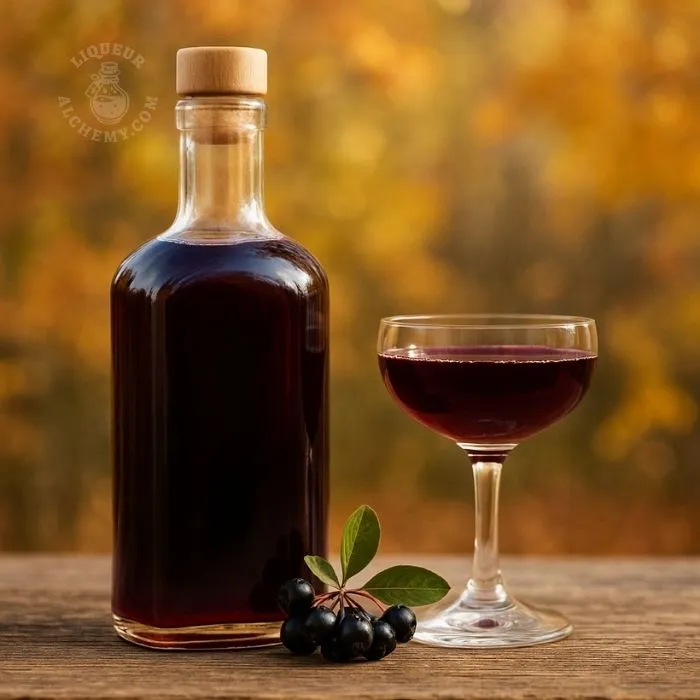
Blackberricane is a rich vodka liqueur built around wild forest blackberries, balanced with white and brown sugar, honey and lemon. Vanilla softens the dark fruit while cinnamon, allspice, clove, black pepper, fennel and star anise create layers of warming spice, producing a full-bodied, aromatic liqueur with a lingering finish.

Main notes

  • Vodka
  • Blackberries

Ingredients

  • Vodka — 1 L
  • Blackberries — 1 kg
  • White Sugar — 100 g
  • Light Brown Sugar — 60 g
  • Honey — 40 g
  • Vanilla — ½ pod
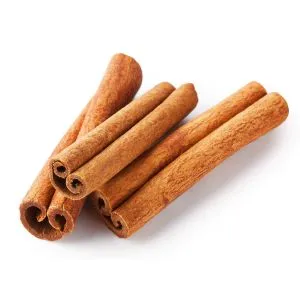
  • Cinnamon — 3 cm stick
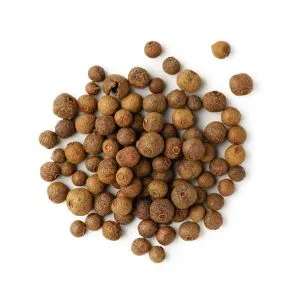
  • Allspice — 3 berries
  • Cloves — 2
  • Black Peppercorns — 4
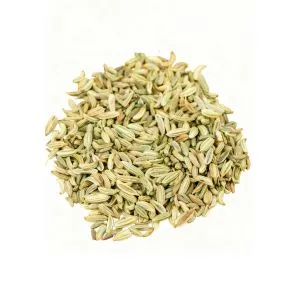
  • Fennel Seeds — ¼ tsp
  • Star Anise — ¼ star
  • Lemon Juice — 20 ml

Preparation

  1. Carefully sort the freshly collected blackberries, removing leaves, stems and any damaged fruit. Rinse gently in cold water and allow them to drain and dry thoroughly.
  2. Place the blackberries in a large sterilised glass jar and lightly crush approximately one-third of the fruit to release its juice while leaving the remaining berries whole.
  3. Split the vanilla pod lengthwise and add it to the jar with the cinnamon, allspice, cloves, black peppercorns, fennel seeds and star anise.
  4. Pour in the vodka, ensuring the berries and spices are submerged. Seal tightly and gently turn the jar several times.
  5. Store in a cool, dark place for approximately 3 weeks, gently turning the jar every few days.
  6. Strain the infusion through a fine sieve without aggressively pressing the fruit. Filter again through muslin or a fine filter for a cleaner liqueur.
  7. Combine the white sugar, light brown sugar and honey with a small amount of warm water or strained infusion, stirring until fully dissolved. Allow to cool if necessary.
  8. Add the sweetened mixture and lemon juice to the blackberry infusion. Mix thoroughly, taste and allow the flavours to settle for several days before making any final adjustment.
  9. Bottle the finished Blackberricane and mature it in a cool, dark place for at least 8 weeks. A longer rest of around 3 months will further integrate the blackberry, vanilla and spices.
Download

The Story

Blackberricane begins with wild blackberries gathered from the nearby forest, where late-summer berries develop an intense balance of sweetness, acidity and deep woodland flavour. Their dark fruit character meets warming cinnamon, fragrant vanilla, allspice, clove, fennel and a flicker of black pepper, while star anise adds a subtle aromatic edge. Honey and brown sugar soften the sharper notes and give the liqueur a rounded, generous texture. The result is a dark, spirited blackberry liqueur: fruity at first, increasingly spicy as it opens, with layers of woodland berries, warm botanicals and lingering sweetness. Blackberricane is wild fruit swept into a storm of spice.

Who is "Blackberricane" Liqueur for?

Blackberricane is for adventurous drinkers who enjoy dark fruit, warming spice and liqueurs with evolving character. Ideal for slow evening sipping, autumn gatherings and curious palates, it combines the familiarity of ripe blackberry with enough vanilla, cinnamon and aromatic spice to keep every sip interesting.

"Blackberricane" Liqueur Serving Suggestions

Serve Blackberricane slightly chilled or at cool room temperature in a small liqueur or cordial glass. Its wild blackberry character, honeyed richness and warming spices make it particularly inviting after dinner, beside a fire, or during cool autumn and winter evenings when its aromatic depth can unfold slowly.

Why the Name "Blackberricane"?

Blackberricane combines blackberry with hurricane, capturing the character of a liqueur where wild forest fruit meets a swirling collection of spices. The name reflects both the intense dark berry flavour and the movement of cinnamon, vanilla, clove, pepper, fennel and star anise around it. Despite the stormy name, the finished liqueur is intended to become smooth and harmonious with maturation.

Testing Notes

The spice combination should remain secondary to the blackberry, so begin tasting after 10–14 days of infusion. Star anise and clove are particularly assertive and can be removed early if necessary. The honey and vanilla round the sharper berry notes, while several weeks of bottle maturation should noticeably soften and integrate the spice profile.

Blackberricane Liqueur FAQ


Yes, but each sweetener changes more than sweetness. Honey adds body, floral depth and a softer finish, while light brown sugar brings gentle caramel notes that support the dark fruit. If replacing honey, use a mild liquid sweetener or additional sugar in a smaller amount at first, because honey contributes both flavour and texture. If replacing brown sugar, white sugar is the safest option, but the finished liqueur will taste cleaner and less rounded.

Avoid replacing all three sweeteners with one heavy sugar such as dark muscovado unless you specifically want a strong molasses character. Blackberry can be easily overshadowed by deep caramel flavours, especially when cinnamon, clove and star anise are also present.

When changing sweeteners, add them gradually after straining rather than committing to the full amount immediately. Taste after a few days of resting, then adjust. The aim is to keep the blackberry clearly dominant while using sweetness to soften acidity, spice and alcohol heat.

Blackberries can usually remain in vodka for around four weeks, but the spices should be monitored much earlier. Cinnamon, clove and especially star anise extract quickly and can become dominant before the fruit has finished infusing. Start tasting after about 10 to 14 days and remove any spice that is beginning to overpower the blackberry.

The fruit should continue infusing after the stronger spices are removed. Vanilla can usually stay longer because it develops more gradually, while black pepper, fennel and allspice should still be checked during the middle of the infusion. A balanced result comes from treating the fruit and spices as ingredients with different extraction speeds.

Do not assume every ingredient must be removed on the same day. The best approach is selective removal based on taste. Keep the blackberries until their flavour is fully extracted, but take out assertive spices early if they begin to taste medicinal, bitter or excessively warm.

A medicinal or bitter taste usually comes from over-extracting strong spices rather than from the blackberries themselves. Clove, star anise, cinnamon and black pepper can become aggressive when left too long, particularly in high-proof alcohol. Too much crushed spice also speeds extraction and can produce a harsh, woody or mouth-drying character.

If the liqueur is still infusing, remove the dominant spices immediately and allow the blackberries and vanilla to continue on their own. After straining, a small increase in honey or sugar can soften bitterness, while a little lemon can brighten a flat, heavy profile. Avoid adding more spice to correct imbalance.

Time can also help. A harsh young infusion often becomes smoother after several weeks in the bottle as alcohol heat and spice edges integrate. If the bitterness remains strong after resting, blending the batch with a small amount of unsweetened blackberry-vodka infusion is often safer than trying to hide the problem with excessive sugar.

Adjust sweetness only after the fruit infusion has been strained, because the final blackberry acidity and tannin are easier to judge at that stage. Add sugar and honey in small increments, mix thoroughly and allow the liqueur to rest before tasting again. Immediate tasting can be misleading because fresh syrup and alcohol have not yet integrated.

If the liqueur tastes too sharp, a little more honey or sugar will round the acidity and soften the alcohol. If it tastes too sweet or heavy, a measured addition of lemon juice can restore freshness. Avoid large corrections in one step, because blackberry flavour can move quickly from vivid and balanced to jammy or thin.

The ideal balance should begin with ripe blackberry, followed by gentle sweetness and then warming spice. Honey should give body rather than obvious honey flavour, and lemon should sharpen the fruit without tasting citrusy. Small adjustments followed by several days of rest give a more reliable result than repeated same-day tasting.

After sweetening and bottling, blackberry liqueur benefits from at least six to eight weeks of rest. A longer maturation of around three months usually gives a smoother result, especially when the recipe includes cinnamon, clove, pepper, fennel and star anise. During this period, the fruit, sweetness and spice gradually become more integrated.

Store the bottles tightly sealed in a cool, dark place away from direct sunlight and temperature swings. Clear bottles are attractive, but light can slowly affect colour and flavour, so a cupboard or cellar-like environment is preferable. Make sure the liqueur has been well filtered before bottling to reduce sediment.

Before final serving, check the bottle for haze or fine particles and refilter if appearance matters. The flavour should become softer and more cohesive with time. Once opened, keep the bottle tightly closed and continue storing it somewhere cool and dark; refrigeration is optional rather than essential for a properly prepared spirit-based liqueur.

RALETED RECIPES OF LIQUEUR ALCHEMY


Explore more creations from Liqueur Alchemy that share similar flavours, techniques, or ingredients. These related recipes offer fresh ideas and inspired combinations to help you craft your next bold, homemade spirit.